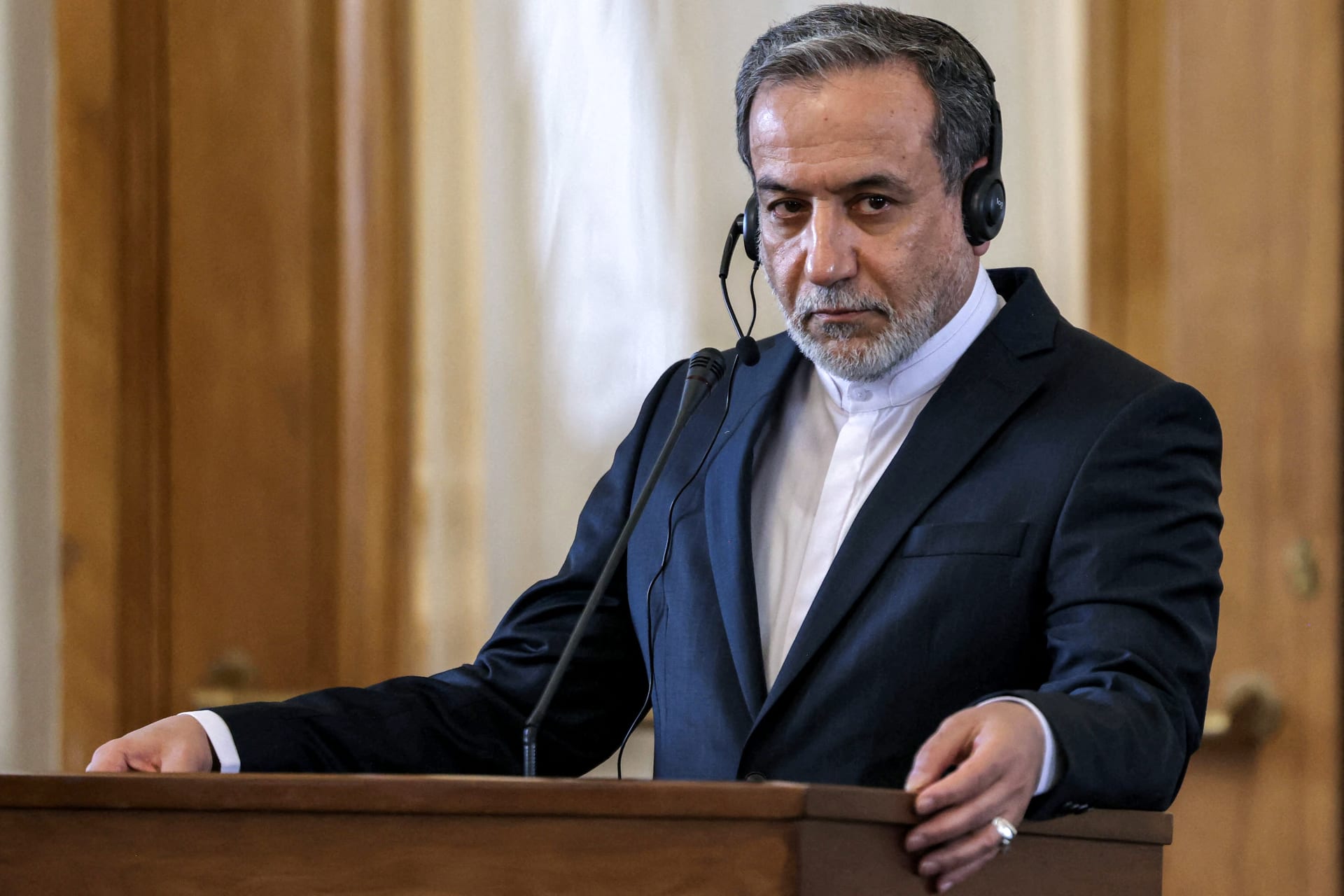
Iran's Foreign Ministry spokesperson, Ismail Baqaei, confirmed that Tehran has not engaged in direct negotiations with Washington to date. He clarified that the discussions circulating in the media regarding the United States' willingness to negotiate were merely messages conveyed through intermediaries, rather than direct talks.
Baqaei pointed out that the U.S. demands are considered exaggerated and illogical, complicating the possibility of reaching any agreement. This statement reflects the ongoing tension between Iran and the United States, which has escalated in recent years, particularly following Washington's withdrawal from the Iran nuclear deal in 2018.
Details of the Event
Baqaei's remarks come at a sensitive time as the United States seeks to revive nuclear talks with Iran, which have been stalled for a long time. Washington has expressed a desire to negotiate on multiple issues, including Iran's nuclear program, Tehran's support for armed groups in the region, and human rights. However, Iran refuses to enter into direct negotiations unless clear guarantees are provided.
Previously, there were informal discussions held between the two sides through intermediaries, but no tangible results were achieved. It appears that both parties are holding firm to their positions, further entrenching the stalemate in relations.
Background & Context
Historically, relations between Iran and the United States have been tense since the Islamic Revolution in 1979. These relations have witnessed numerous crises, including the hostage crisis in Tehran, the Iran-Iraq War, and Iran's nuclear program. In 2015, a historic nuclear agreement was reached between Iran and the 5+1 group, but the U.S. withdrawal from the agreement in 2018 exacerbated the situation.
After Washington's withdrawal, Iran resumed work on developing its nuclear program, raising concerns in the international community. The United States imposed stringent economic sanctions on Tehran, significantly impacting the Iranian economy and leading to a deterioration in the living conditions of its citizens.
Impact & Consequences
Baqaei's statements indicate the continuation of tensions between Iran and the United States, which could affect stability in the Middle East. If negotiations continue in this direction, it may lead to an escalation of military tensions, especially with the presence of other regional powers like Israel and Saudi Arabia, which view Iran as a threat to their security.
Moreover, the persistence of these conditions could impact global oil prices, as any military escalation in the region could lead to price increases due to instability. Consequently, the situation in Iran has broad implications for the global economy.
Regional Significance
Arab countries are directly affected by the tensions between Iran and the United States. The Gulf states, in particular, are concerned about Iran's nuclear program and its influence in the region. Recent years have seen a rise in tensions between Iran and Arab nations, especially with Tehran's support for groups like Hezbollah in Lebanon and the Houthis in Yemen.
These tensions are expected to continue impacting regional security, potentially leading to increased divisions between Arab states and Iran. Additionally, any military escalation could drag the region into a broader conflict, threatening stability in neighboring countries.
In light of these circumstances, hope remains for the resumption of nuclear talks between Iran and the United States, but recent statements suggest that the path to reaching an agreement remains long and complex.