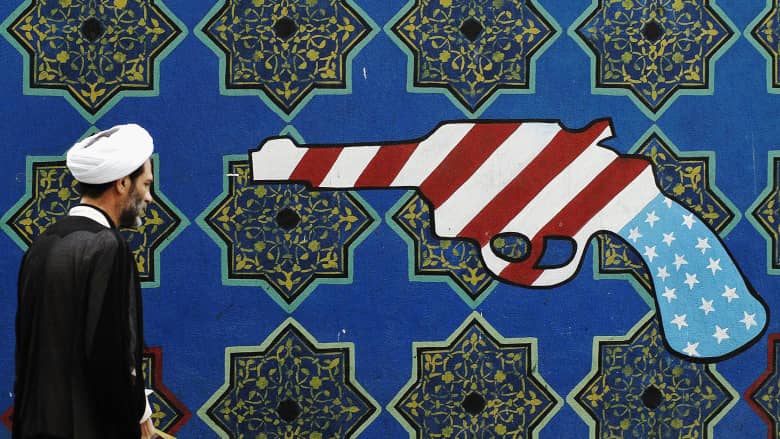
In controversial remarks, Iranian Foreign Minister Abbas Araghchi confirmed that his country has not witnessed any negotiations with the United States, stating that "no negotiations have taken place with the enemy so far, nor do we plan for any negotiations." These statements were made during an interview with Iranian state television, reflecting Tehran's steadfast position towards Washington under current circumstances.
These remarks come at a time when the dispute between Iran and the United States is intensifying, with tensions in the region continuing over several issues, including Iran's nuclear program and the U.S. military presence in the Middle East. These issues have raised concerns in the international community, especially with the escalation of hostilities in the region.
Details of the Statement
Araghchi's statements reaffirm Iran's rejection of any form of dialogue with the United States, which Tehran considers an "enemy." This stance comes at a sensitive time, as pressure on Iran from Western powers is increasing, particularly following the U.S. withdrawal from the nuclear agreement in 2018.
Iran seeks to bolster its regional position amid the economic and political challenges it faces. Araghchi indicated that his country would not negotiate under pressure, reflecting Tehran's determination to maintain its sovereignty and independence.
Background & Context
Historically, Iranian-American relations have been marked by severe tensions since the Islamic Revolution in 1979. Since then, the United States has imposed strict economic sanctions on Iran, significantly impacting the Iranian economy. In recent years, Iran has attempted to strengthen its relations with other countries in the region, such as Russia and China, as part of its strategy to counter Western pressures.
The Iranian nuclear program has also been a major point of contention between Tehran and Washington, with the United States accusing Iran of seeking to develop nuclear weapons, a claim that Tehran denies, asserting that its nuclear program is peaceful.
Impact & Consequences
Concerns are growing that the continuation of this stance could lead to an escalation of the dispute in the region, potentially affecting both regional and global security. The lack of dialogue channels may increase the likelihood of armed conflicts, especially with regional and international powers competing for influence in the Middle East.
Furthermore, the ongoing economic sanctions on Iran could exacerbate humanitarian conditions in the country, possibly prompting the Iranian government to adopt more hardline measures in its foreign policy.
Regional Significance
The Iranian-American relationship is a sensitive issue that impacts security and stability in the Arab region. The tensions between Tehran and Washington could have negative repercussions for the Gulf Arab states, which are concerned about any potential military escalation.
The situation in Iraq, Syria, and Lebanon reflects the influence of these relations, where Iranian and American forces are directly present. Therefore, any escalation in relations between Iran and the United States could significantly affect the situations in these countries and complicate existing crises.
In conclusion, Iran's steadfast rejection of any negotiations with the United States reflects the complexities of international relations in the region and underscores the need for diplomatic solutions to the escalating crises. Under these circumstances, hope remains for the possibility of resuming dialogue in the future, despite the significant challenges facing the parties involved.