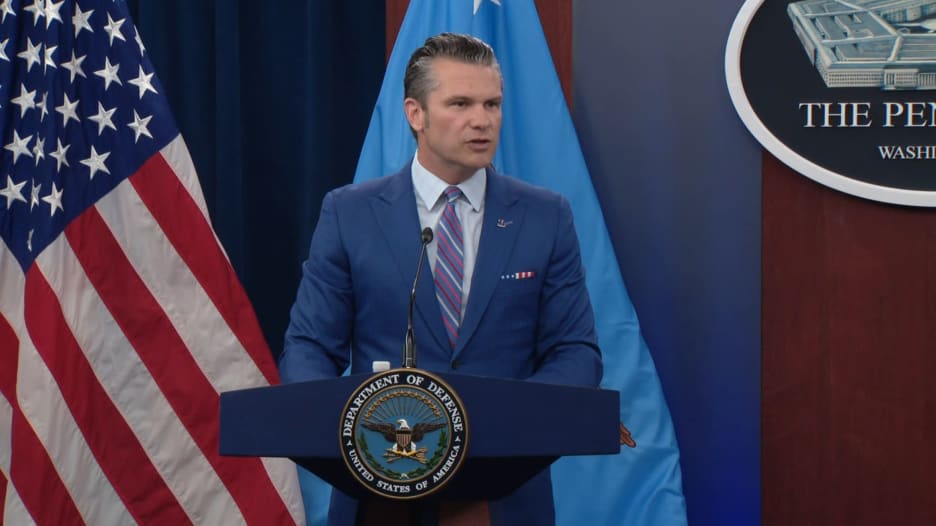
Iran's Foreign Minister Abbas Araqchi confirmed that Tehran is examining the US proposal aimed at ending the war, but clarified that message exchanges through intermediaries do not indicate that there are direct negotiations with the United States. This statement came during an interview with Iranian television, where he noted that Iran does not intend to engage in any talks with Washington.
Araqchi's remarks come at a time when the region is experiencing increasing tensions, as Iran continues to strengthen its position on the regional stage. These statements have raised questions about the possibility of any progress in relations between Tehran and Washington, especially under the current circumstances.
Details of the Proposal
In his remarks, Araqchi explained that the US proposal is under review by senior officials in Tehran, indicating that Iran is taking this matter seriously, despite the lack of intention to negotiate. These statements reflect Iran's steadfast position of unwillingness to engage in direct talks with the United States, which Tehran considers a primary adversary.
These comments come at a sensitive time, as international pressures on Iran regarding its nuclear program and regional policies continue to escalate. Such pressures have raised concerns about a potential escalation in the region, further complicating the existing situation.
Background & Context
Historically, relations between Iran and the United States have been marked by ongoing tensions since the Islamic Revolution in 1979. These relations deteriorated further after Washington's withdrawal from the nuclear agreement in 2018, leading to the imposition of severe economic sanctions on Iran.
Despite these tensions, there have always been attempts at communication between the two sides through intermediaries, but these attempts often end without achieving tangible results. Araqchi's statements indicate that Iran remains committed to its position of rejecting direct negotiations, reflecting the mutual distrust between the two parties.
Impact & Consequences
The implications of this stance could be significant on both the regional and international stages. Iran's continued refusal to engage in direct negotiations may exacerbate the situation in the region, especially with other regional powers seeking to enhance their influence.
Any escalation in tensions between Iran and the United States could impact oil prices and global markets, as Iran is a key player in the energy market. Additionally, any potential military movements could provoke unexpected reactions from neighboring countries.
Regional Significance
For Arab countries, the ongoing tensions between Iran and the United States represent a significant challenge. Many Arab nations are concerned about Iran's increasing influence in the region, particularly in Iraq, Syria, and Lebanon.
Any escalation in relations between Tehran and Washington could lead to heightened tensions in these countries, negatively affecting regional stability. Therefore, observers are closely monitoring developments in this file, as any change in Iran's position could directly impact security and stability in the region.
In conclusion, Iranian-American relations remain stagnant, with Iran continuing to study US proposals without moving towards negotiations. This situation reflects the complexities facing the region and indicates that the road to peace remains long.