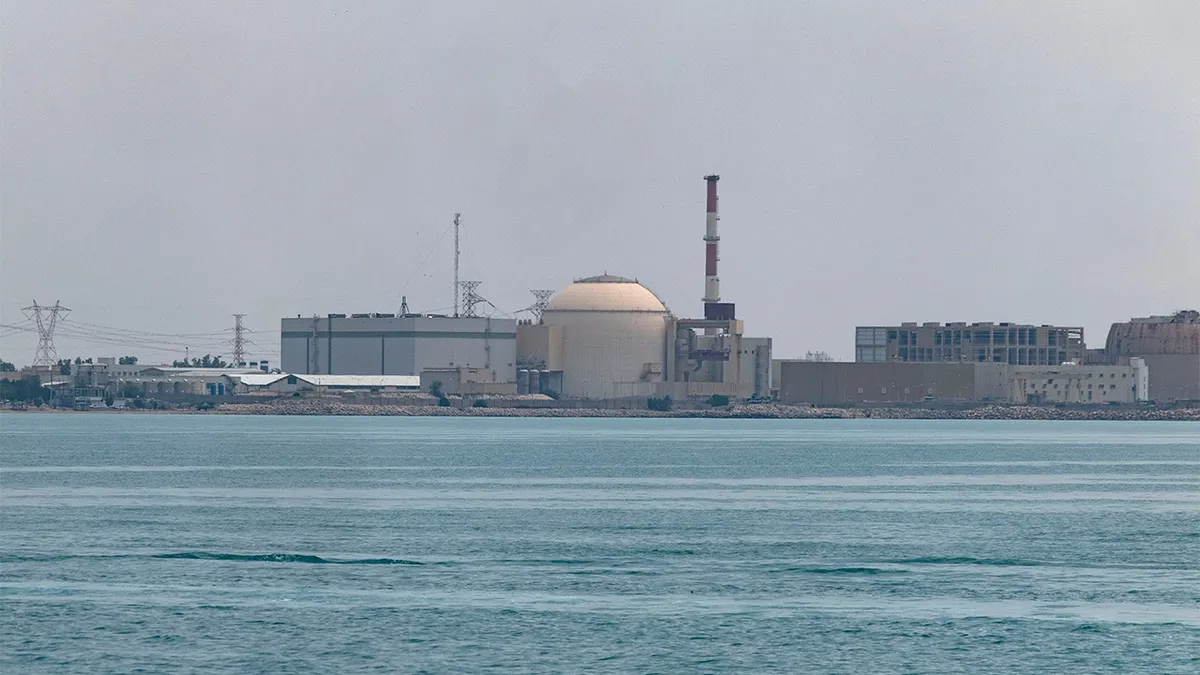
Iran has stated that it is not seeking to develop nuclear weapons, but it is considering withdrawing from the Nuclear Non-Proliferation Treaty. This statement comes at a sensitive time as international pressure on Tehran regarding its nuclear program continues to increase.
In statements made by Iranian officials, it was emphasized that the country is committed to the principles of peace, but it reserves the right to make decisions related to its national security. This shift in Iran's position is seen as a response to what Tehran describes as increasing Western pressures.
Details of the Announcement
These statements follow a series of nuclear talks that have taken place in recent years, which have not yielded tangible results. Iran had signed a nuclear agreement with major powers in 2015, but the United States' withdrawal from the agreement in 2018 led to escalating tensions.
At the same time, Iran continues to develop its nuclear program, raising concerns within the international community. Tehran has confirmed that it will continue its peaceful nuclear activities, but some Western countries fear that these activities may pave the way for the development of nuclear weapons.
Background & Context
Historically, Iran has always been under close scrutiny by the International Atomic Energy Agency. International sanctions have been imposed on Iran due to its nuclear program, significantly impacting its economy. However, Iran insists that its nuclear program is peaceful and aims to meet its energy needs.
In recent years, the region has witnessed an escalation in tensions between Iran and Western countries, especially following attacks on oil facilities in Saudi Arabia, which Iran has been accused of orchestrating. These events have heightened fears of a military conflict in the region.
Impact & Consequences
If Iran decides to withdraw from the Nuclear Non-Proliferation Treaty, it could lead to a significant escalation of tensions in the region. This decision may provoke strong reactions from Western countries, which could impose further sanctions on Tehran.
On the other hand, this withdrawal could open the door for Iran to develop its nuclear program more rapidly, increasing fears of an arms race in the region. This could lead to reactions from other countries in the region, such as Saudi Arabia and Israel, which may seek to enhance their military capabilities.
Regional Significance
The Arab countries neighboring Iran are in a state of constant alert due to Iranian nuclear activities. If Iran continues to develop its nuclear program, Arab nations may have to reassess their security and military strategies.
This situation could lead to increased military spending in the region, negatively impacting economic and social development. Additionally, the escalation of tensions may reflect on regional stability, increasing the suffering of people in the area.
In conclusion, Iran's statements regarding its potential withdrawal from the Nuclear Non-Proliferation Treaty raise many questions about the future of regional and international security. Under these circumstances, hope remains pinned on diplomacy as a means to avoid military escalation and achieve peace in the region.