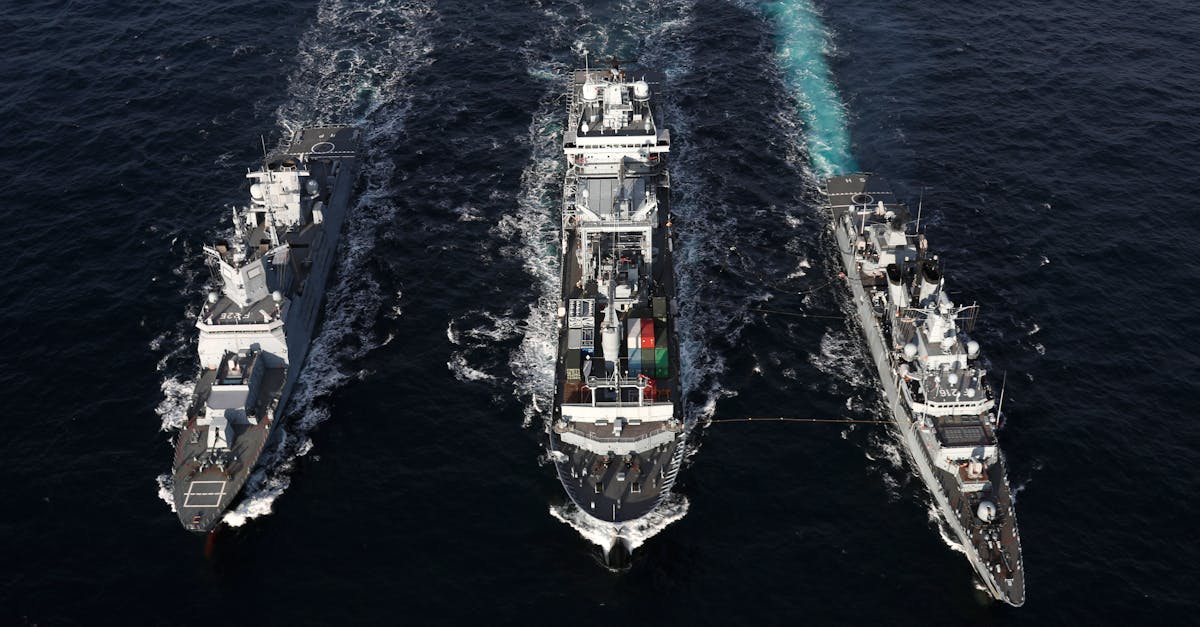
Iran has intensified its attacks in the Arabian Gulf just hours before the deadline set by U.S. President Donald Trump for a ceasefire agreement, complicating efforts to end the conflict. These developments come at a critical time as the international community seeks a peaceful resolution.
The Iranian attacks, which included targeting maritime sites, raise concerns among countries involved in regional security, as they are viewed as an unjustified escalation amidst ongoing diplomatic efforts. Military sources have confirmed that these attacks have focused on strategic points in the Gulf, reflecting Iran's intention to strengthen its position in negotiations.
Details of the Incident
These attacks come at a crucial moment, as negotiations were expected to yield a ceasefire agreement; however, Iran's escalation of hostilities may complicate these efforts. U.S. officials have indicated that Iran may be seeking to use force as a means to pressure the United States and its allies.
Meanwhile, European nations continue their efforts to mediate the conflict, aiming to reduce tensions between Iran and Western countries. However, the Iranian attacks may undermine any chances of progress in these negotiations.
Background & Context
Historically, relations between Iran and the United States have been tense, especially following Washington's withdrawal from the nuclear agreement in 2018. Since then, the region has witnessed an escalation in hostilities, including attacks on commercial vessels and oil facilities. These events reflect the ongoing tensions in the Gulf region, which is considered a vital point for global trade.
The conflict in the region has also been significantly affected by other regional disputes, such as the conflicts in Yemen and Syria, where Iran plays a key role in supporting armed groups. This context makes achieving sustainable peace in the Gulf challenging.
Impact & Consequences
The recent escalation by Iran could exacerbate security conditions in the Gulf, potentially affecting oil prices and global markets. Furthermore, the continuation of attacks may prompt the United States to take military action, increasing the risk of a broader conflict in the region.
Diplomatically, this escalation could lead to a decline in trust among the involved parties, making it difficult to reach a comprehensive agreement. Neighboring countries, such as Saudi Arabia and the UAE, may feel threatened, prompting them to bolster their military capabilities.
Regional Significance
The recent developments in the Gulf are of significant importance to Arab countries, as they are directly affected by regional security and stability. Iran's escalation of hostilities could lead to increased tensions in the region, impacting the Arab economy and heightening security risks.
At the same time, Arab nations may seek to enhance security cooperation among themselves to counter Iranian threats. This cooperation could involve intelligence sharing and strengthening military capabilities, reflecting the urgent need to address security challenges in the region.