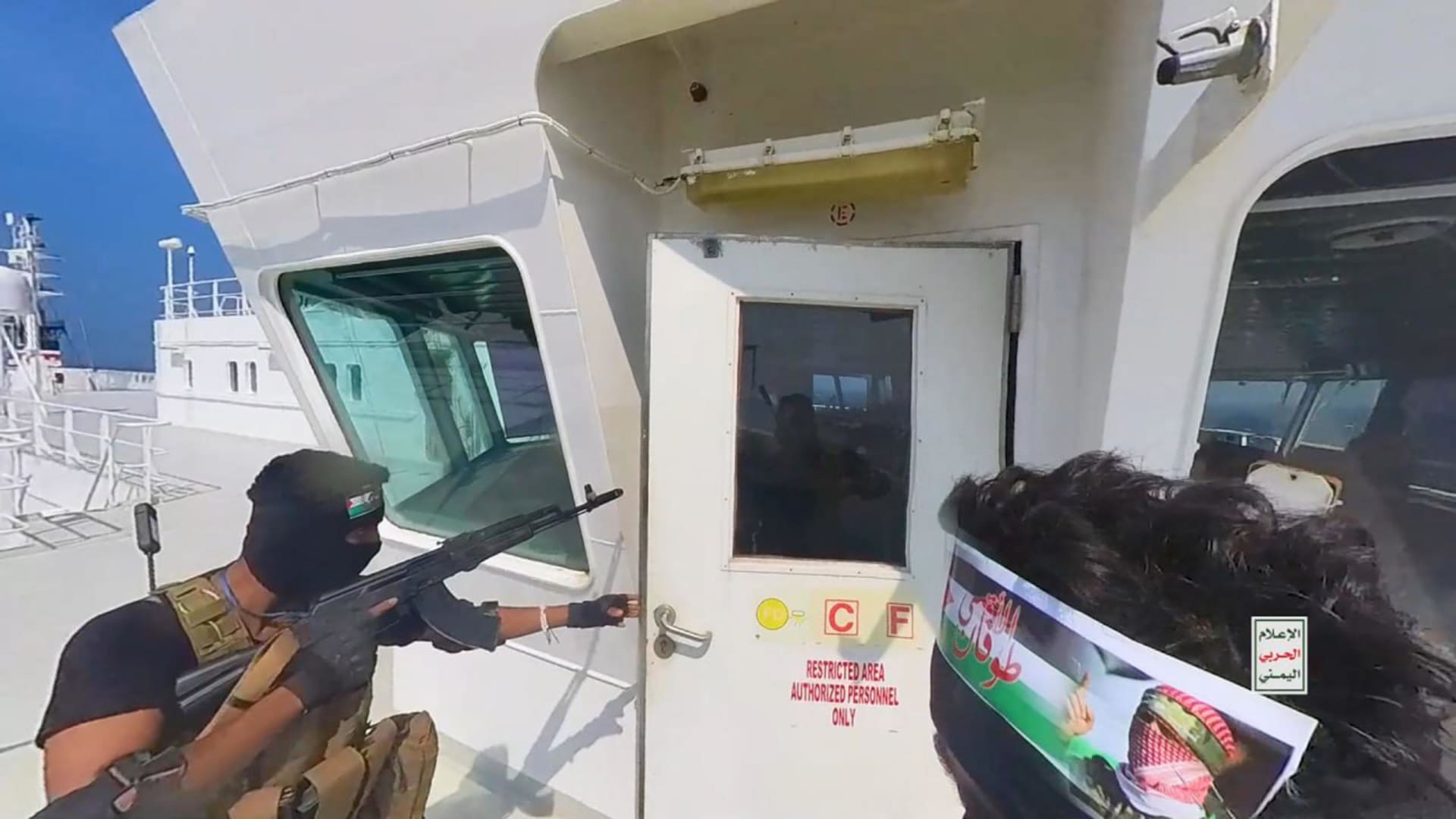
Iran has announced that it will continue to impose fees on ships and countries crossing the Strait of Hormuz, which is considered one of the most important shipping routes in the world. This was stated by Iranian Foreign Ministry spokesperson Ismail Baqaei, who confirmed in an interview with 'India Today' that 'Iran will continue to impose fees absolutely.'
Baqaei added that 'a series of measures' have been taken to ensure safe passage through the strait, pointing out that these measures come in light of the 'war-like situation' imposed on Iran. These statements reflect Tehran's intention to control access to this vital corridor at a time when tensions in the region are escalating.
Details of the Announcement
Baqaei's statements affirm Iran's policy of controlling the Strait of Hormuz, through which approximately 20% of the world's total oil passes. In recent years, there have been increasing tensions between Iran and the United States and its allies, which has heightened the importance of this waterway for regional and international security.
These statements come at a sensitive time, as Iran seeks to bolster its position in the face of economic and political pressures imposed by Western countries. Experts suggest that imposing fees may be a way for Iran to enhance its revenues amid the sanctions imposed on it.
Context and Background
Historically, the Strait of Hormuz has been a theater for numerous political and military conflicts, with recurring tensions between Iran and Western countries, especially after the United States withdrew from the Iranian nuclear agreement in 2018. Since then, Iran has increased its military activities in the region, raising concerns among neighboring countries.
In recent years, Iran has conducted several operations targeting commercial ships, leading to heightened fears that these activities could affect global trade flows. As international pressures continue, Iran seeks to use the Strait of Hormuz as a means to exert pressure on the international community.
Consequences and Impact
The policy of imposing fees on ships in the Strait of Hormuz could lead to increased tensions in the region, which may affect global oil prices. If Iran continues this policy, other countries may seek alternative routes for transporting their shipments, potentially resulting in changes in global market dynamics.
This move could also impact relations between Iran and neighboring countries, as it may provoke reactions from nations that rely on this waterway. Should tensions escalate, we may witness international interventions aimed at securing freedom of navigation in the region.
Impact on the Arab Region
For Arab countries, Iran's continued imposition of fees on ships in the Strait of Hormuz represents a direct threat to economic security. Many Arab nations, such as Saudi Arabia and the UAE, rely on this corridor to export their oil, and any disruptions could negatively impact their revenues.
Moreover, escalating tensions in the region could increase divisions between Arab states and Iran, complicating peace and stability efforts. Under these circumstances, Arab countries must enhance their cooperation to address the challenges that may arise from these Iranian policies.