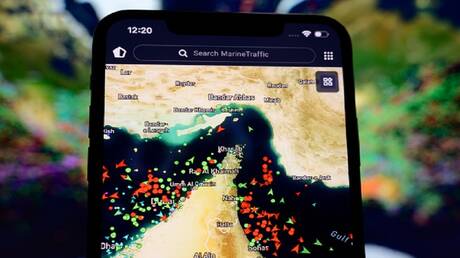
The Iranian Revolutionary Guard confirmed that the Strait of Hormuz and the Arabian Gulf are under its complete control, just hours after announcing the death of Admiral Ali Reza Tangsiri in an Israeli attack. The Revolutionary Guard also revealed a video documenting orders to close the strait, reflecting a new escalation in regional tensions.
The Strait of Hormuz is considered one of the most important waterways in the world, through which approximately 20% of the world's oil passes. Controlling this strait means controlling maritime shipping and oil movement, making Iran a key player in the geopolitical equations of the region.
Details of the Incident
In the video released by the Revolutionary Guard, military leaders discuss the importance of the Strait of Hormuz, emphasizing that any threat to this passage will be met with a strong response. This announcement comes after the death of Admiral Tangsiri, who served as the commander of the naval forces in the Revolutionary Guard and was killed in an attack believed to be Israeli, further heightening tensions between Tehran and Tel Aviv.
The Iranian Revolutionary Guard did not hesitate to issue warnings to countries attempting to threaten navigation security in the Gulf, stressing that any attempt to close the strait will face a direct military response. These statements come at a sensitive time, as fears of military escalation in the region are increasing.
Background & Context
Historically, the Strait of Hormuz has witnessed numerous conflicts and disputes, especially during the Iran-Iraq War in the 1980s. Since then, the strait has become a point of tension between Iran and the United States and its allies in the region. In recent years, tensions have escalated significantly, particularly following the U.S. withdrawal from the Iranian nuclear deal in 2018.
Iran considers the Strait of Hormuz part of its national sovereignty and uses it as a means to pressure Western countries. In contrast, the United States and its allies seek to ensure freedom of navigation in this vital passage, increasing the likelihood of military confrontations.
Impact & Consequences
Closing the Strait of Hormuz would directly affect global oil prices, with expectations that prices would rise significantly in the event of any military escalation. This situation could also lead to increased tensions between Iran and Western countries, potentially negatively impacting regional stability.
Furthermore, any escalation in the region could affect global trade flows, as many countries rely on oil shipped through this strait. Therefore, the situation in Hormuz is a vital issue that requires urgent international attention.
Regional Significance
Arab countries bordering the Arabian Gulf, such as Saudi Arabia and the UAE, are among the most affected by developments in the Strait of Hormuz. Any military escalation could destabilize these countries, impacting their economies and security.
The situation in Hormuz may also reshape alliances in the region, as some countries may seek to strengthen their relations with Iran if tensions with the West continue. Conversely, other countries may seek to enhance their cooperation with the United States to counter Iranian threats.
In conclusion, the situation in the Strait of Hormuz remains under scrutiny, as fears of military escalation that could alter the entire region's landscape are growing. The international community must act swiftly to ensure the stability of this vital passage.