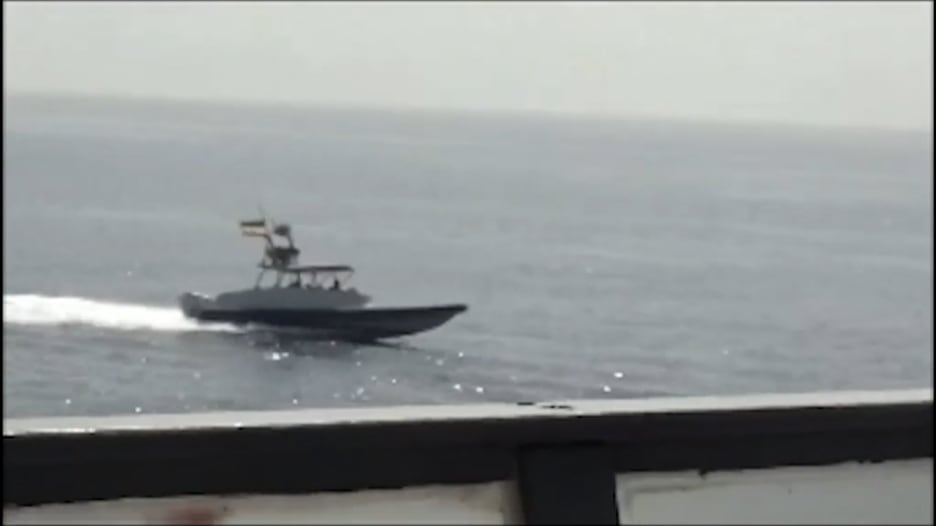
Iran has declared that non-hostile ships wishing to transit the Hormuz Strait, considered one of the most important waterways in the world, must coordinate with Iranian authorities. This decision is part of Tehran's efforts to enhance its control over this vital passage, which experiences heavy maritime traffic.
The Hormuz Strait is a key transit point for approximately 20% of the world's total oil supply, making it a focal point for many nations. Iran has informed member states of the International Maritime Organization (IMO) about the necessity for prior coordination with Tehran before ships can cross.
Details of the Announcement
Iran clarified that this measure is aimed at maintaining maritime security in the region. Iranian officials indicated that vessels failing to comply with this coordination may face security measures, which could escalate tensions in the area. This announcement follows a series of maritime incidents in the strait in recent years, including ship seizures and clashes with naval forces.
Through this announcement, Iran aims to send a clear message to the international community that it has the capability to protect its interests in the region and that any violation of its maritime sovereignty will not go unpunished. This decision has raised concerns among many countries that rely on this vital corridor for transporting their oil shipments.
Context and Background
Historically, the Hormuz Strait has witnessed increasing tensions between Iran and Western nations, especially following the United States' withdrawal from the Iranian nuclear deal in 2018. Since then, fears of escalating conflict in the region have grown, as Iran has taken steps to bolster its military presence in the Gulf.
In recent years, the region has seen numerous maritime incidents, including attacks on oil tankers, leading to an increased U.S. military presence in the area. There are also concerns that any escalation in tensions could have negative effects on global oil markets.
Implications and Effects
This announcement from Iran is seen as a step that could escalate tensions in the region, potentially affecting maritime traffic and increasing shipping costs. Any incidents that may arise from this decision could provoke strong international reactions, especially from countries that depend on Iranian oil or transit through the strait.
This move is likely to increase pressure on Iran from the international community, particularly amid ongoing sanctions. There are also fears that these tensions could lead to a potential military escalation, which could impact the overall stability of the region.
Impact on the Arab Region
Neighboring Arab countries to the Hormuz Strait, such as the United Arab Emirates and Saudi Arabia, are among the most affected by this announcement. These countries heavily rely on exporting oil through the strait, and any escalation in tensions could directly impact their economies.
Moreover, there are concerns that these tensions could lead to rising global oil prices, which could affect Arab markets and increase the cost of living for citizens. In this context, Arab nations must take proactive steps to ensure the safety of their oil shipments and maintain the stability of their markets.