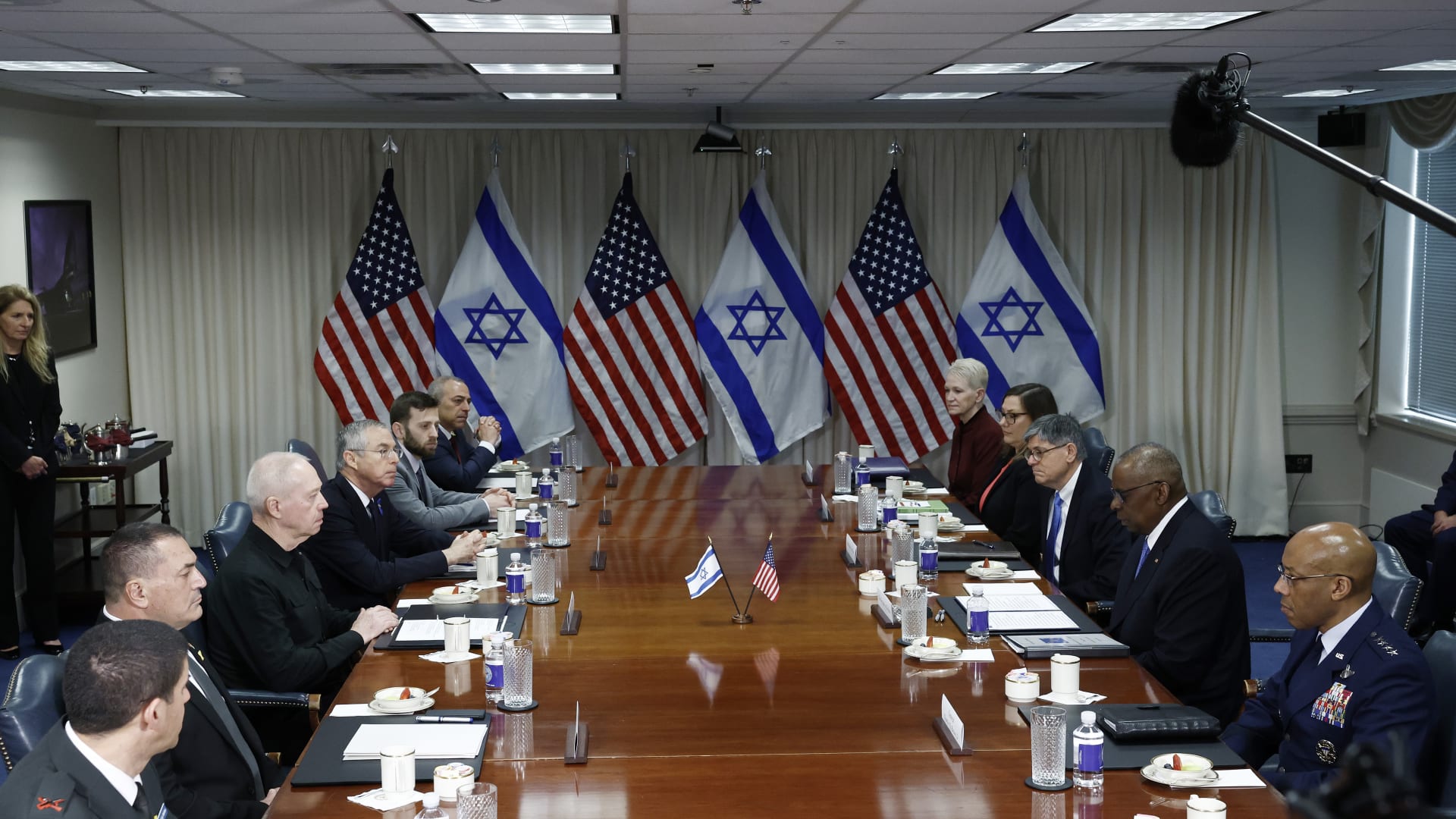
Iranian Foreign Minister Abbas Araghchi stated on Wednesday that the Iranian government does not intend to hold any negotiations with the United States aimed at ending the war. These remarks come amid increasing tensions between Tehran and Washington, as the latter seeks to intensify its pressure on Iran.
Araghchi clarified that the current circumstances do not warrant dialogue with the American side, emphasizing that Iran prefers to focus on strengthening its internal capabilities rather than engaging in negotiations that may not yield positive results. These statements reflect Iran's steadfast position towards the United States, which Tehran views as a primary cause of regional instability.
Details of the Statement
During a press conference, Araghchi confirmed that the Iranian government rejects any attempts by the United States to negotiate on issues related to regional security or Iran's nuclear program. He also pointed out that Iran will not back down from its sovereign rights and will continue to develop its defensive capabilities.
Araghchi's remarks come at a time when the world is witnessing a rise in geopolitical tensions, with growing concerns over a military escalation in the region. Iran believes that any negotiations with Washington would be futile under the current circumstances.
Background & Context
Historically, Iranian-American relations have been marked by significant tensions since the Islamic Revolution in 1979. Since then, the United States has imposed strict economic sanctions on Iran, leading to a deterioration of the country's economic situation. In recent years, the administration of former President Donald Trump attempted to pressure Iran through a policy of maximum pressure, which included withdrawing from the Joint Comprehensive Plan of Action (JCPOA) in 2018.
This withdrawal intensified the standoff between the two nations, with Iran gradually stepping back from its commitments under the nuclear deal. The current Iranian administration, led by President Ebrahim Raisi, has maintained a hardline stance against the United States, viewing negotiations as a sign of weakness.
Impact & Consequences
The refusal to engage in negotiations with the United States could have significant implications for regional security and stability. Analysts suggest that without diplomatic engagement, the likelihood of miscalculations or military confrontations increases, particularly in hotspots such as the Persian Gulf.
Moreover, Iran's focus on enhancing its military capabilities could lead to an arms race in the region, as neighboring countries may feel compelled to bolster their defenses in response. This scenario could further complicate the already tense dynamics in the Middle East.
Regional Significance
The Iranian stance against negotiations with Washington is not only a reflection of its internal policy but also resonates with its allies in the region, who may view this as a call for unity against perceived external threats. Countries like Syria and non-state actors such as Hezbollah may find common ground with Iran's position, potentially leading to a more coordinated resistance against U.S. influence in the region.
As tensions continue to escalate, the lack of dialogue may hinder efforts to address pressing issues such as the humanitarian crisis in Yemen or the ongoing conflicts in Syria and Iraq. The absence of diplomatic channels could exacerbate these crises, leading to further instability.
In conclusion, Iran's declaration of no intent to negotiate with the United States underscores the complexities of international relations in the region. As both sides remain entrenched in their positions, the prospect for peace appears increasingly distant.