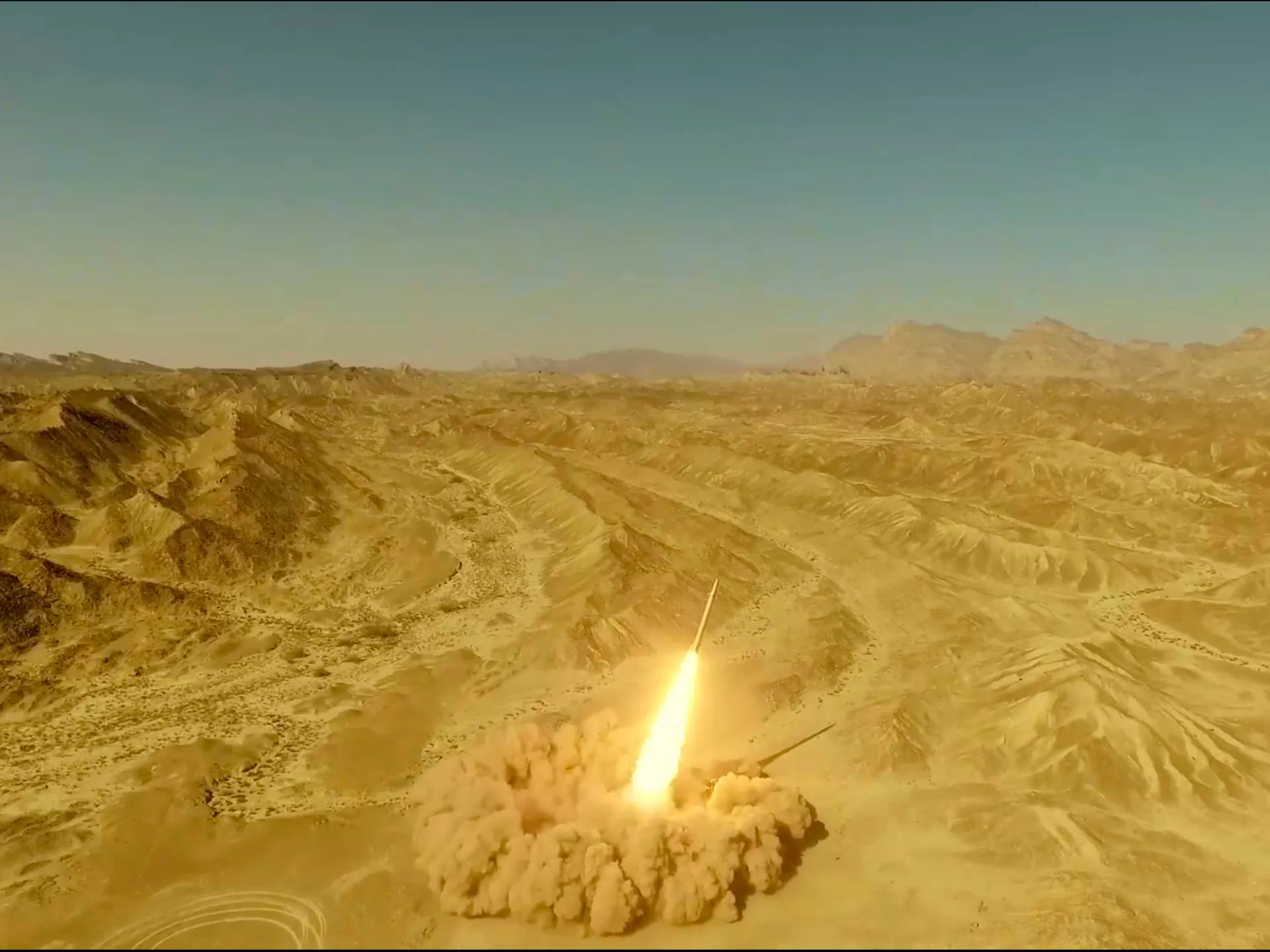
Iran's Foreign Ministry spokesperson advisor, Ali Safri, confirmed that Iran will not engage in any negotiations with the United States unless all attacks against it cease. This statement was made during an interview with Al Jazeera from Tehran, where Safri clarified that Iran is not afraid of negotiations but refuses any talks under the ongoing attacks.
Safri considered that any American or regional diplomatic initiatives prior to halting the assaults are deemed unfair and unacceptable. He also pointed out that discussions about Iran's willingness to relinquish its nuclear stockpile through mediation were raised before the outbreak of war; however, now, details can only be discussed after a secure framework for negotiations is established.
Event Details
Regarding the deadline set by former US President Donald Trump for reaching agreements, Safri stated that this deadline reflects Washington's failure to confront Iranian forces. He asserted that repeated threats against Iranian civilian and military facilities aim to compel Tehran to abandon its regional interests, including control over the Strait of Hormuz.
He emphasized that the Iranian armed forces are prepared for all military scenarios, including any potential attack on Iranian islands or nuclear facilities. He affirmed that Iranian territory will be a "graveyard for invaders," indicating that any attacks on vital Iranian facilities, including iron and steel factories, represent a blatant violation of international laws.
Context and Background
These statements come at a time of escalating tensions between Iran and the United States, as the latter seeks to impose further pressures on Tehran through military and economic sanctions. Relations between the two countries have significantly deteriorated since the US withdrawal from the Iranian nuclear agreement in 2018, leading to heightened tensions in the region.
Historically, Iran has always viewed the Strait of Hormuz as a vital strategic point, through which approximately 20% of the world's oil passes. Therefore, any threats or escalation in this strait could significantly impact global oil markets and regional security.
Consequences and Impact
Safri's statements underscore that Iran will not back down from its defensive stance, increasing the likelihood of military escalation in the region. If the United States continues its aggressive policy, we may witness military reactions from Iran, potentially leading to open conflict.
These statements may also affect relations between Iran and Gulf countries, as Tehran seeks to strengthen its regional position amid increasing tensions. These dynamics are expected to lead to changes in the security strategies of neighboring countries, including Oman and the Gulf Cooperation Council states.
Impact on the Arab Region
In the context of these events, the Arab region remains on alert, as any escalation between Iran and the United States could negatively impact security and stability in Gulf countries. Additionally, any potential conflict could lead to rising oil prices, affecting the global economy.
In conclusion, Iran's statements serve as a clear warning to the United States, emphasizing that any aggressions will be met with strong reactions. All eyes remain on the developments in the region, as any escalation could have serious repercussions for regional and international security.