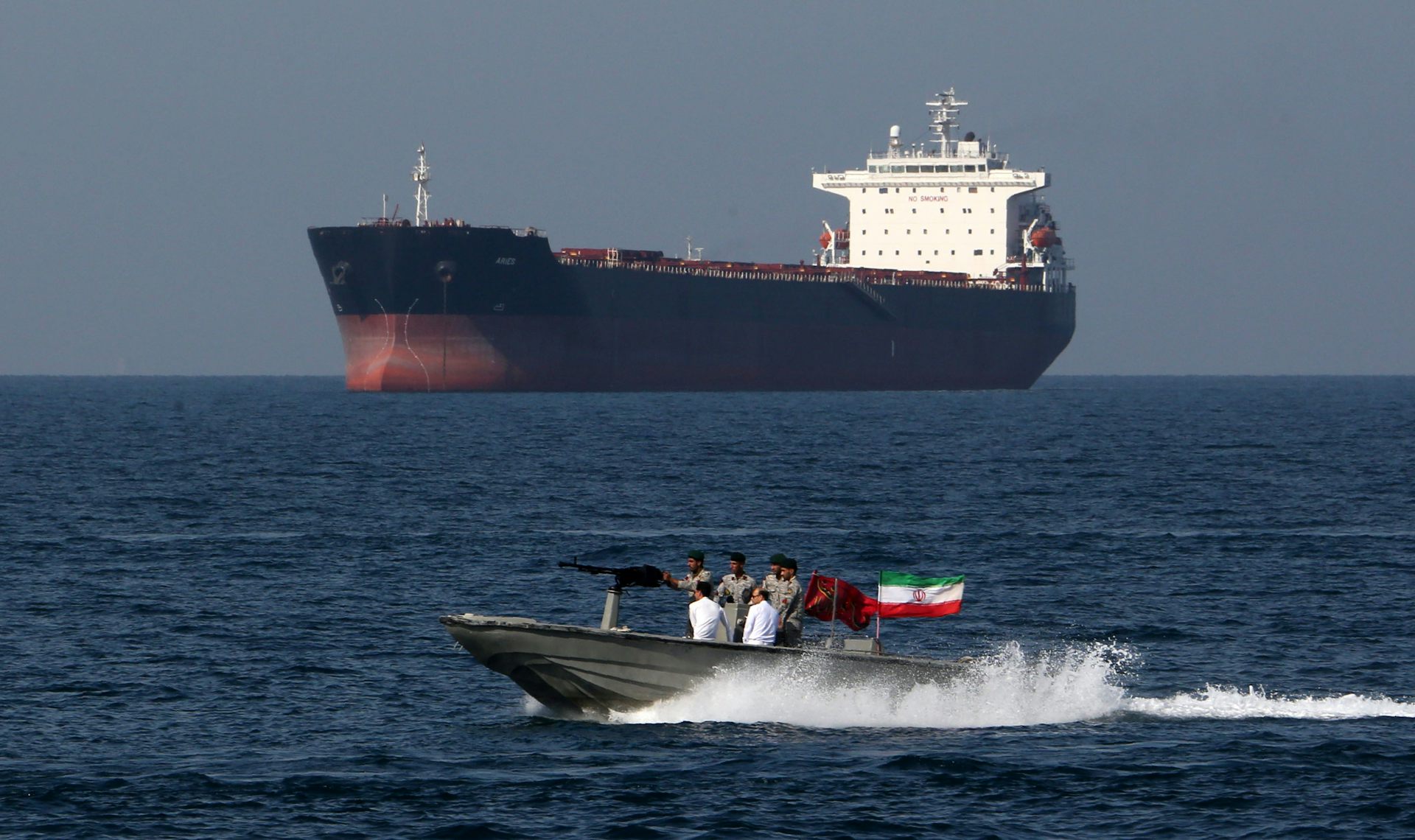
Iran's Deputy Parliament Speaker, Ali Nikzad, confirmed that his country will not enter into any negotiations with the United States, stressing that the Strait of Hormuz will not be opened. These remarks came during his participation in a large demonstration in Markazi Province in southern Iran, where participants condemned the American-Israeli attacks on the region.
Nikzad pointed out that Iran will not abandon its firm stance towards the American president, affirming that Tehran will remain committed to its national principles. These statements come at a sensitive time when the region is witnessing increasing tensions between Iran and the United States, alongside a rise in Israeli attacks on Iranian sites in Syria.
Details of the Event
During the demonstration, which saw a wide public turnout, Nikzad expressed his dissatisfaction with American policies, indicating that these policies threaten stability in the region. Demonstrators called for national unity to face external challenges, emphasizing the importance of defending Iranian sovereignty.
These statements come at a time when international pressures on Iran are increasing due to its nuclear program, as the United States and its allies seek to impose further sanctions on Tehran. Nikzad considered that these pressures will not affect the will of the Iranian people, who will continue their resistance.
Background & Context
Historically, the Strait of Hormuz, which is one of the most important maritime passages in the world, has witnessed numerous tensions due to regional conflicts. Approximately 20% of the world's total oil passes through it, making it a vital strategic point. In recent years, concerns have escalated about the possibility of closing this strait due to tensions between Iran and the United States, especially following Washington's withdrawal from the Iranian nuclear deal in 2018.
Iran views the Strait of Hormuz as a vital artery for the global economy and has repeatedly threatened to close it if it faces further pressures. Such threats raise concerns among oil-exporting countries that rely on the freedom of navigation in this passage.
Impact & Consequences
Recent statements indicate that Iran is adopting a more hardline policy towards the United States, which could lead to escalating tensions in the region. These remarks are likely to impact global oil markets, as fears of supply disruptions may increase.
Moreover, Iran's continued refusal to negotiate could complicate international efforts to reach a comprehensive agreement regarding its nuclear program, increasing the likelihood of further sanctions. These sanctions could significantly affect the Iranian economy, which is already facing considerable difficulties.
Regional Significance
The tensions between Iran and the United States have a direct impact on security and stability in the Arab region. Arab countries, especially those located along the shores of the Arabian Gulf, are closely monitoring developments in the Strait of Hormuz, as any escalation could affect trade and oil movement.
Furthermore, the continuation of tensions may lead to increased divisions in the region, with some countries potentially siding with the United States while others may support Iran. This division could complicate peace and stability efforts in the area.
In conclusion, Nikzad's statements serve as an indicator that Iran is steadfast in its position, further complicating the regional landscape. The international community must closely monitor developments, as any escalation could lead to serious repercussions for regional and international security.