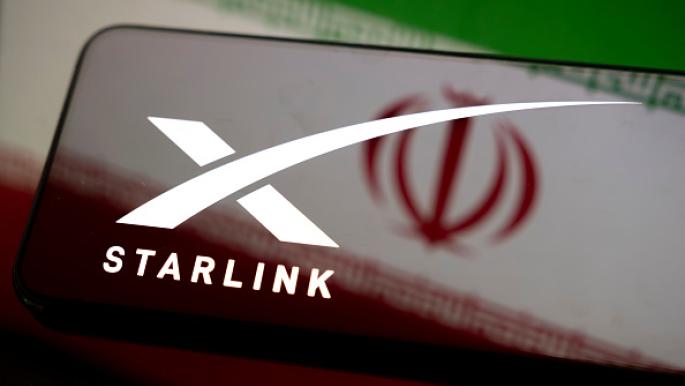
Iranian state media reports that SpaceX's Starlink internet service, owned by Elon Musk, has become a legitimate target for Iran, following the announcement of actions against American companies. These statements reflect an escalation in tensions between Iran and the United States, as Tehran seeks to confront what it perceives as threats to its national security.
These remarks come at a sensitive time, as international pressure on Iran increases, particularly from the United States, which has imposed stringent economic sanctions on Tehran. Iran has expressed its readiness to confront this pressure by taking serious steps against what it considers interference in its internal affairs.
Details of the Incident
In its report, Iranian media indicated that Starlink, which provides satellite internet services, has become a legitimate target after the United States announced actions against Iranian companies. This step is part of Iran's policy to counter what it views as threats from Western powers, especially the United States.
Reports also confirmed that Iran will take legal action against Starlink, noting that this service could be used for purposes that conflict with Iranian national security. This announcement comes at a time when concerns are rising about the use of modern technology in geopolitical conflicts.
Background & Context
Historically, Iran has been in a state of tension with the United States, especially since the latter's withdrawal from the nuclear deal in 2018. This withdrawal led to an escalation of economic sanctions, significantly impacting the Iranian economy. In this context, Iran considers any American technological service as a potential tool for pressure against it.
Starlink, launched in 2020, aims to provide internet access in remote areas, but its use in countries facing internet restrictions may raise concerns among governments, including the Iranian government. In recent years, there has been an increase in the use of the internet as a tool for communication and organization, heightening the importance of controlling this technology.
Impact & Consequences
Iran's declaration of Starlink as a legitimate target could open the door to greater escalation in tensions between Tehran and Washington. This may lead to increased pressure on American technology companies, making them more cautious in dealing with Iranian markets.
Furthermore, this announcement could affect relations between Iran and other countries that rely on American technology. If Iran continues to take steps against Starlink, it may provoke reactions from the international community, complicating the situation in the region.
Regional Significance
Arab countries are directly affected by the tensions between Iran and the United States, as many of these nations cooperate with Washington in technology and security fields. The escalation of tensions could lead to negative repercussions on regional stability and increase fears of rising conflicts.
This situation may also impact foreign investments in the region, as companies may hesitate to enter markets experiencing instability. In this context, Arab countries must be cautious in dealing with these developments and seek strategies to adapt to potential changes.
In conclusion, Iran's declaration of Starlink as a legitimate target represents a new step in a series of escalating tensions with the United States. The current situation requires a delicate balance from all parties involved to maintain stability in the region.