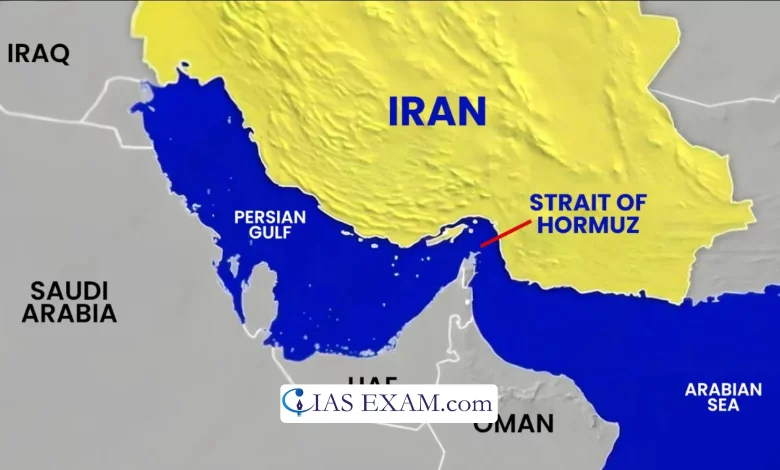
Iran's parliamentary spokesman, Abbas Koudarzi, stated on Saturday that the Strait of Hormuz has transformed into a "strategic asset" for Iran under the new security conditions. This statement comes at a time when the region is experiencing increasing tensions, reflecting the significance of this vital waterway.
The Strait of Hormuz is one of the world's most important maritime passages, through which approximately 20% of the world's total oil passes. This strait serves as a crucial transit point for Iranian oil, making control over it strategically important for Tehran.
Details of the Statement
In his remarks, Koudarzi indicated that the changing security situation in the region has provided Iran with an opportunity to strengthen its position in the Strait of Hormuz. He considered this transformation as a reflection of Iran's ability to adapt to security challenges, thereby enhancing its strategic position in the face of international pressures.
Koudarzi also denied any Iranian involvement in targeting the U.S. Embassy in Riyadh, emphasizing that Tehran does not seek to escalate tensions with the United States or its allies in the region. These statements come at a time when the Middle East is witnessing heightened tensions between Iran and the United States, particularly following Washington's withdrawal from the Iranian nuclear deal.
Background & Context
The tensions in the Strait of Hormuz date back decades, with the region having witnessed numerous military and political conflicts. In recent years, these tensions have intensified with the increase of Iranian military activities in the Arabian Gulf, prompting Western nations to bolster their military presence in the area.
Iran views the Strait of Hormuz as an integral part of its defense strategy, using it as a means to exert pressure on Western countries. Simultaneously, Tehran seeks to strengthen its relations with neighboring countries, such as Iraq and Syria, further complicating the security landscape in the region.
Impact & Consequences
The Iranian statements regarding the Strait of Hormuz may lead to increased tensions in the region, especially with the presence of U.S. forces in the Gulf. These developments could also impact global oil prices, as the world economy heavily relies on the flow of oil through this strait.
If Iran continues to bolster its position in the Strait of Hormuz, it may escalate conflicts with Western nations, increasing the likelihood of military confrontations in the region. Additionally, these developments could affect relations between Iran and neighboring Arab countries, complicating the political landscape in the Middle East.
Regional Significance
The Arab countries neighboring the Strait of Hormuz, such as Saudi Arabia and the United Arab Emirates, are among the most affected by the security developments in the region. Any escalation in tensions could have negative impacts on the economies of these countries, especially given their heavy reliance on oil exports.
Moreover, tensions in the Strait of Hormuz could increase divisions among Arab nations, complicating regional cooperation efforts. Under these circumstances, Arab countries must take proactive steps to enhance their security and stability in the face of growing challenges.
In conclusion, the Strait of Hormuz remains a pivotal point in regional and international conflicts, and the recent Iranian statements underscore the importance of this waterway in Iranian policy. As tensions continue, the future remains uncertain, necessitating all involved parties to work towards achieving stability in the region.