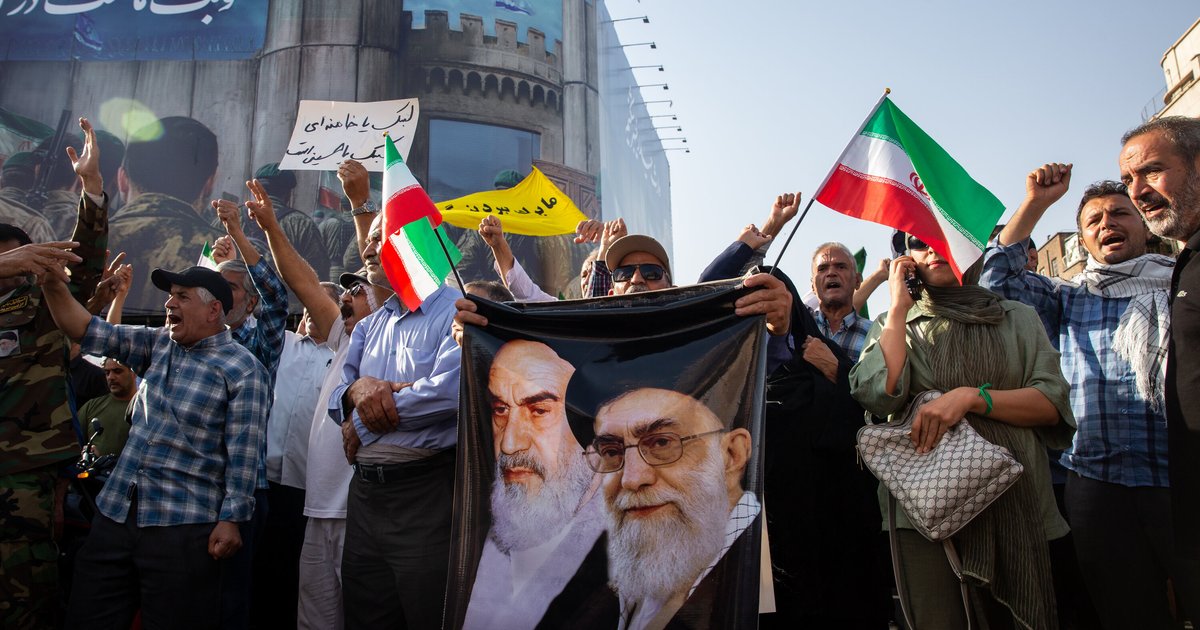
Iran officially announced that the homes of US and Israeli leaders in the region are considered legitimate targets, reflecting a new escalation in tensions between Tehran and both Washington and Tel Aviv. This announcement comes at a time when relations between Iran and Western countries are increasingly strained, particularly following recent events in the region.
This statement is part of Iran's reaction to what it perceives as American and Israeli interventions in its internal affairs, with Tehran asserting that these homes are not merely residential sites but represent decision-making centers that influence Iranian national security.
Details of the Announcement
In statements made by Iranian officials, it was emphasized that any military action against Iran would be met with a strong response, and targeting the homes of US and Israeli leaders would be part of Iran's defense strategy. Officials also indicated that Iran is closely monitoring the movements of US and Israeli forces in the region and is prepared to respond in the event of any aggression.
These statements come at a sensitive time, as fears of potential military escalation in the Middle East are growing, especially following a series of military skirmishes between Iranian forces and US troops in Iraq and Syria. Moreover, these declarations could heighten tensions between Iran and its regional allies, such as Hezbollah in Lebanon.
Historical Context and Background
Historically, relations between Iran, the United States, and Israel have been tense, with the past decades witnessing numerous crises and conflicts. Since the Iranian Revolution in 1979, Iran has viewed the US and Israel as primary adversaries, leading to the imposition of economic and military sanctions on Tehran.
In recent years, tensions have notably escalated, particularly after the US withdrawal from the Iranian nuclear deal in 2018. This withdrawal resulted in the reimposition of strict sanctions on Iran, significantly impacting its economy and leading to increased public discontent.
Potential Impacts and Consequences
These Iranian statements could lead to military escalation in the region, as the US and Israel may feel a greater threat, prompting them to take preemptive actions. Additionally, these declarations could affect relations between Iran and Gulf Arab states, which may become concerned about rising military tensions in the area.
Furthermore, these statements could increase international support for Iran, especially from countries opposing US policies in the region. Conversely, the United States may seek to bolster its military presence in the area as a preemptive measure against any potential threats.
Impact on the Arab Region
This escalation could directly affect security and stability in neighboring Arab countries, potentially leading to increased tensions among various factions in the region. Any military escalation could also result in a flow of refugees and exacerbate humanitarian crises in surrounding countries.
Ultimately, the situation in the Middle East remains complex, with intertwining political and military interests, making it difficult to predict the developments of events. Intensive diplomatic efforts are required to avoid any escalation that could lead to widespread conflict.