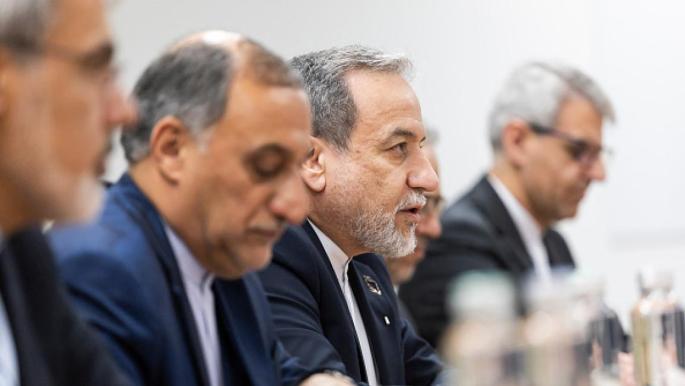
An informed Iranian source has confirmed that Tehran will not participate in the negotiations scheduled to take place in Islamabad, stating that Iran "does not intend to engage in these negotiations with the American side." This statement reflects the increasing tensions between Iran and the United States, as Tehran rejects any conditions set by Washington.
These developments occur at a time when relations between Iran and the United States are notably strained, especially following Washington's withdrawal from the nuclear agreement in 2018, which escalated crises between the two sides. Additionally, Iran is facing increasing international pressure due to its nuclear program, complicating the situation in the region further.
Details of the Event
The negotiations in Islamabad were aimed at addressing regional and international issues, including the Iranian nuclear program. However, Iran's refusal to participate indicates its unwillingness to negotiate under American pressure. The source noted that Tehran believes any negotiations with Washington would not be fruitful under the current circumstances.
This Iranian stance comes at a sensitive time, as some regional countries are attempting to mediate between Iran and the United States, but it seems that Tehran is not prepared to make concessions at this moment. This decision could also impact peace and stability efforts in the region.
Background & Context
Since the United States withdrew from the nuclear agreement, relations between Tehran and Washington have significantly deteriorated. The U.S. has imposed strict economic sanctions on Iran, adversely affecting the Iranian economy and leading to internal protests. Iran has responded to these sanctions by expanding its nuclear program, which has heightened international concerns.
In recent years, some countries, such as Qatar and Oman, have attempted to mediate between the two sides, but these efforts have not yielded tangible results. The situation in the region is further complicated by other conflicts, such as those in Syria and Yemen, making it difficult to achieve any progress in negotiations.
Impact & Consequences
Iran's refusal to participate in the negotiations could exacerbate conditions in the region, potentially increasing tensions between major powers. This decision may also affect Iran's relations with neighboring countries that are striving for stability in the region.
If Iran continues to reject negotiations with the United States, the situation could escalate into military or security confrontations, impacting the interests of other countries in the region. Furthermore, this could lead to increased pressure on Iran from the international community.
Regional Significance
The Iranian-American relations are a central axis in regional politics, influencing many Arab countries. Conflicts in Iraq, Syria, Lebanon, and Yemen intersect with the tensions between Iran and the United States, complicating the situation in the region.
If Iran maintains its refusal to negotiate, this could worsen crises in neighboring countries and increase sectarian and political divisions. Arab nations may find themselves compelled to reassess their security and diplomatic strategies in light of these developments.
In conclusion, it appears that Iran is steadfast in its refusal to participate in negotiations with the United States, further complicating the situation in the region and reflecting ongoing tensions between major powers.