A military expert revealed that Iran has postponed the involvement of the Houthis in the Yemeni conflict as part of its strategy to prolong the war. The expert noted that this delay is part of Tehran's attempts to strengthen its position in the region, where it seeks to use the Strait of Hormuz as leverage against Western powers.
Iran considers the Houthis one of its main allies in the region and has supported them with weapons and training. However, the postponement of their involvement in the conflict may have significant strategic implications, as the Iranian regime aims to achieve its political objectives without a direct escalation of the conflict.
Details of the Situation
Recently, the Yemeni arena has witnessed an escalation in hostilities, with clashes continuing between government forces and the Houthis. However, the military expert believes that Iran has made a strategic decision to delay the full involvement of the Houthis in the conflict, which could prolong the war and complicate the humanitarian situation in the country.
This move is part of a broader strategy by Iran aimed at enhancing its influence in the region, especially amid increasing tensions with the United States and its allies. Additionally, the use of the Strait of Hormuz as a pressure point reflects Iran's desire to influence global trade flows and heighten tensions in the area.
Background & Context
Historically, the relationship between Iran and the Houthis has evolved significantly since the onset of the conflict in Yemen in 2015. Iran has exploited the chaos in Yemen to bolster its influence by supporting the Houthis, who are considered part of the resistance axis against the United States and its allies in the region.
It is worth noting that the Strait of Hormuz is one of the most important maritime passages in the world, through which a significant percentage of global oil passes. Therefore, any escalation in this strait could greatly impact global markets and increase tensions in the region.
Impact & Consequences
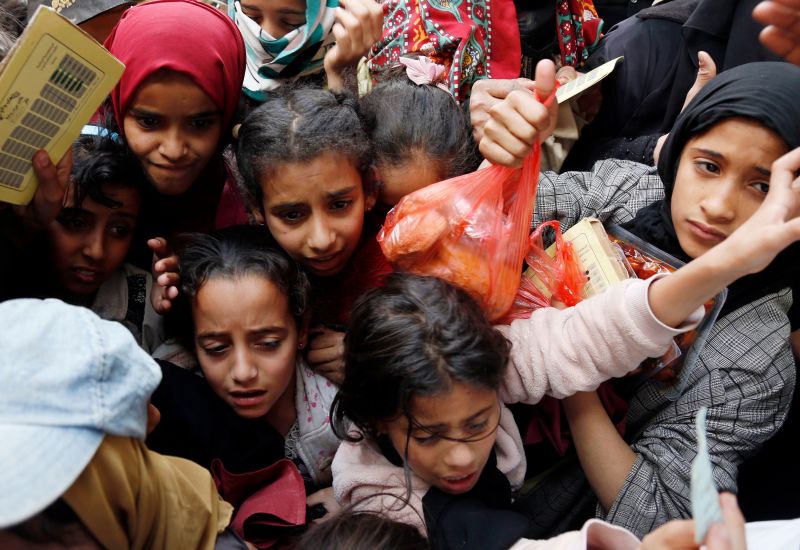
The delay in involving the Houthis may exacerbate the humanitarian situation in Yemen, where the Yemeni people are suffering from a severe humanitarian crisis. Additionally, the continuation of the war without resolution may increase civilian suffering and worsen economic and social crises.
Regionally, this Iranian approach may escalate tensions with neighboring Arab countries, particularly Saudi Arabia, which views the Houthis as a direct threat to its security. This situation may also provoke reactions from Western powers that are seeking to end the conflict in Yemen.
Regional Significance
The ongoing conflict in Yemen and the delay in involving the Houthis may affect stability in the Arab region as a whole. The continuous disputes in Yemen could encourage the escalation of conflicts in other countries, thereby increasing chaos and instability in the region.
Moreover, Iran's use of the Strait of Hormuz as a pressure point could lead to heightened tensions between Iran and Western countries, negatively impacting regional security and increasing the likelihood of new conflicts.
In conclusion, it appears that Iran is seeking to use all available means to enhance its influence in the region, necessitating effective steps from the international community to contain this situation and prevent the exacerbation of humanitarian and political crises in Yemen.