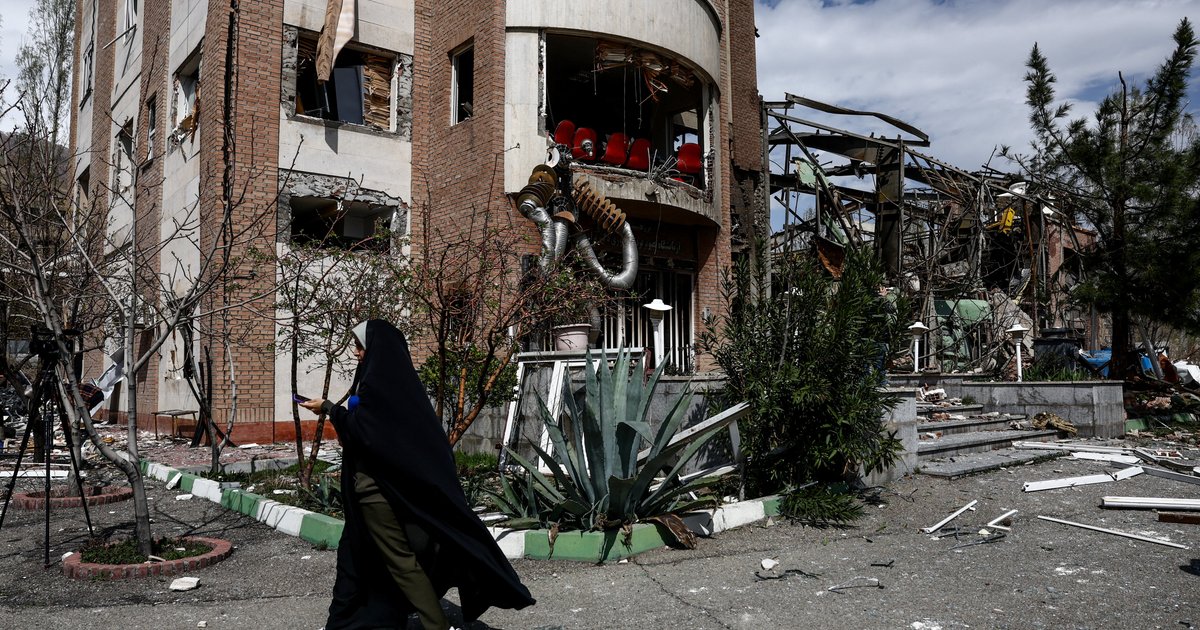
In a new step towards ending the ongoing conflict with the United States, Iran has presented a list of its demands in response to a proposal put forward by Pakistan. Despite rejecting a temporary ceasefire, Iran has stressed the importance of achieving a permanent end to the war while taking into account its specific considerations, according to the Iranian news agency (IRNA).
The Iranian demands include ten main points, which encompass ending regional conflicts, establishing a protocol to ensure safe passage through the Strait of Hormuz, as well as reconstruction efforts and lifting the sanctions imposed on Iran. These demands reflect Tehran's desire for long-term stability in the region, while affirming its rights and interests.
Details of the Demands
These developments come at a time when the region is experiencing increasing tensions, as Iran seeks to bolster its position in negotiations with the United States. The Pakistani proposal was presented as a means to alleviate the conflict; however, Iran has expressed reservations about temporary solutions, emphasizing the need to respect its sovereignty and rights.
The Iranian demands also include the necessity to end all armed conflicts in the region, which is considered a crucial step towards achieving peace and stability. Additionally, establishing a protocol for safe passage through the Strait of Hormuz is vital, as this strait is one of the most important maritime corridors in the world, witnessing significant traffic of oil and gas.
Background & Context
Historically, Iranian-American relations have been marked by severe tensions, especially since the United States withdrew from the nuclear agreement in 2018. Since then, Washington has imposed strict economic sanctions on Iran, significantly impacting its economy. In this context, Iran is seeking to rebuild its relationships with the international community and alleviate the economic pressures imposed on it.
The situation in the region also requires a comprehensive solution, as conflicts in Iraq, Syria, and Yemen intersect with internal conditions in Iran. Achieving peace necessitates regional and international cooperation, which Iran aims to achieve through these demands.
Impact & Consequences
If Iran's demands are met, it could lead to a radical change in regional dynamics. Lifting sanctions could contribute to improving the Iranian economic situation, which may positively reflect on the stability of the region. Furthermore, securing the Strait of Hormuz would enhance maritime trade, benefiting all involved countries.
However, a rejection of these demands by the United States could escalate tensions, threatening regional security and increasing the likelihood of conflict. Therefore, reaching a compromise will be essential to avoid further escalation.
Regional Significance
These developments are pivotal in the context of international relations and regional security, as they significantly impact the overall stability of the region. The interplay of Iran's demands with global economic interests, particularly in energy markets, makes this situation critical for various stakeholders.
In conclusion, the outcome of these negotiations could reshape the geopolitical landscape, influencing not only Iran's future but also the broader dynamics of the Middle East.