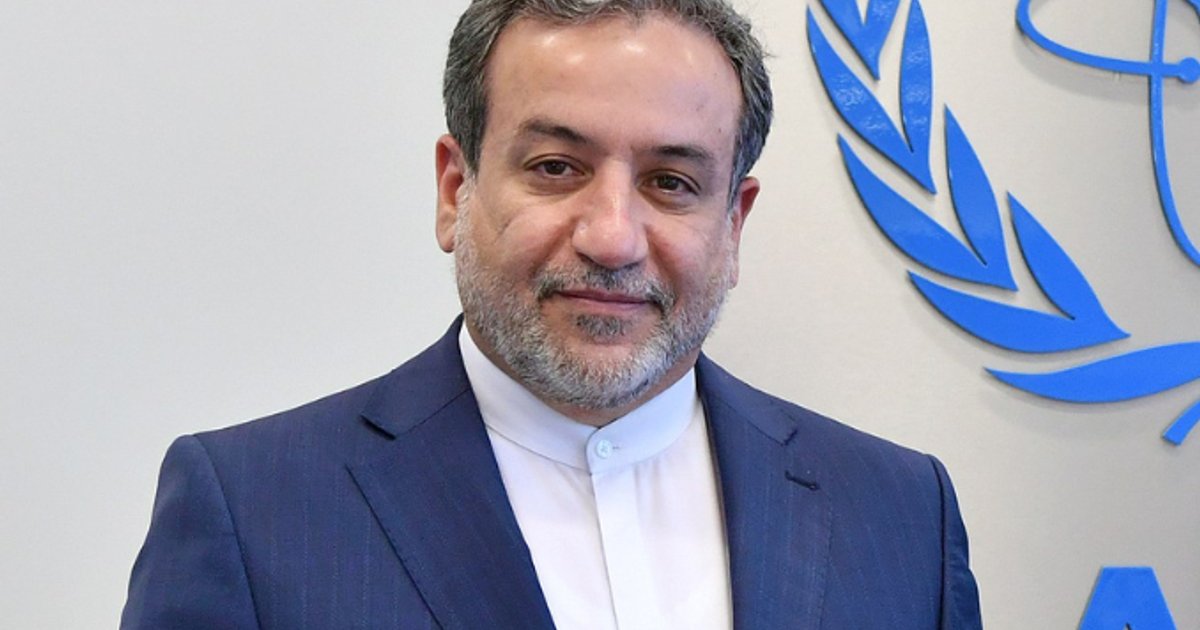
Iranian Foreign Minister Abbas Araqchi emphasized that his country is not interested in just a ceasefire, but is seeking a complete end to the war with guarantees against future attacks. This was stated during his remarks to Al Jazeera on Tuesday, where he also clarified that Iran is demanding compensation for the damages it has incurred.
Araqchi pointed out that communication with the United States does not constitute official negotiations, but rather involves the exchange of messages through intermediaries in the region. He confirmed that he receives messages from U.S. envoy Steve Biegun, but stressed that this does not imply the existence of formal negotiations between the two sides.
Details of the Event
In his discussion, Araqchi explained that the exchanged messages include warnings and shared opinions, and are conducted through official channels under the supervision of the Supreme National Security Council of Iran. The Iranian minister also denied any reports suggesting that Iran had responded to 15 U.S. proposals, asserting that no responses or conditions had been sent from Tehran.
Araqchi emphasized that there are no decisions regarding negotiations, and that the Iranian people cannot be threatened. He also called on U.S. President Donald Trump to deal with Iran with respect, indicating that the relations between the two countries need to be reassessed.
Context and Background
These statements come at a time when the Middle East is experiencing increasing tensions, particularly following a series of military events between Iran and the United States. Since the U.S. withdrawal from the Iranian nuclear agreement in 2018, tensions have escalated, leading to a series of military clashes and mutual threats.
Historically, Iran has always been in a defensive position regarding its sovereignty, especially in the strategic Strait of Hormuz, which is a vital artery for global oil trade. Iran has repeatedly confirmed that it will take actions to protect its interests and security in this region.
Implications and Impact
Araqchi's statements carry significant implications for international relations, reflecting Iran's desire to negotiate from a position of strength, while emphasizing its refusal to accept external pressures. This dynamic could lead to further complications in relations between Iran and the United States and may contribute to escalating tensions in the region.
On the other hand, the continuation of these tensions could negatively impact regional stability, potentially leading to military escalation or interventions from other countries. Additionally, any escalation in the region could reflect on oil prices and global markets.
Impact on the Arab Region
The developments in Iranian-American relations are particularly significant for Arab countries, as any escalation could affect regional security. Arab nations, especially those neighboring Iran, are closely monitoring these events, as any tension could threaten their stability and security.
Ultimately, the question remains about how the international community will respond to these statements and whether they will lead to practical steps toward achieving peace in the region. Continued dialogue and communication between the involved parties may be the only way to avoid further escalation.