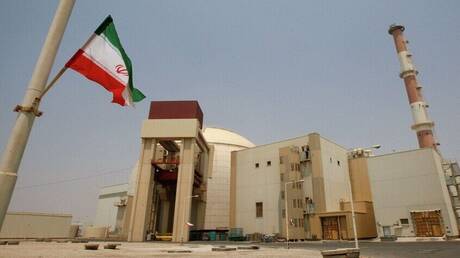
Iran's Atomic Energy Organization head, Mohammad Eslami, has called on the International Atomic Energy Agency (IAEA) to condemn the attack that targeted the Bushehr nuclear facility. This statement was made during a press conference, where Eslami asserted that this attack represents a threat to nuclear security in the region.
Eslami added that the recent attack on the nuclear facility is a clear violation of international laws, stressing the need for a firm stance from the international community against such hostile acts. He noted that Iran will continue to develop its peaceful nuclear program despite these threats.
Details of the Incident
The attack on the Bushehr facility, which is considered one of Iran's most prominent nuclear installations, has sparked widespread reactions in political and media circles. This attack comes at a sensitive time for the region, as tensions escalate between Iran and Western countries, particularly the United States.
Iran, which insists on the peaceful nature of its nuclear program, views such attacks as attempts to hinder its progress in this field. The Iranian government has expressed strong discontent over the IAEA's failure to take a clear position regarding this aggression.
Background & Context
Historically, Iran has witnessed numerous attacks on its nuclear facilities, as these sites are primary targets for many countries opposing its nuclear program. In 2010, the Natanz facility was subjected to a cyberattack via the Stuxnet virus, which resulted in the destruction of part of its nuclear program.
Iran constantly seeks to strengthen its position in international forums, considering attacks on its nuclear facilities as challenges to its sovereignty. The IAEA has previously expressed concern over these attacks, but no concrete steps have been taken against the countries behind them.
Impact & Consequences
The attack on the Bushehr facility may escalate tensions between Iran and Western nations, potentially affecting negotiations regarding Iran's nuclear program. If the international community fails to condemn this attack, Iran may feel justified in accelerating the development of its nuclear program.
This attack could also impact Iran's relations with neighboring countries, as it may heighten fears of escalating conflicts in the region. This could lead to renewed calls for sanctions against Iran, further increasing its international isolation.
Regional Significance
Events related to Iran's nuclear program significantly impact regional security. Neighboring Arab countries, such as Saudi Arabia and the United Arab Emirates, are closely monitoring developments in Iran's nuclear program, fearing that the enhancement of Iran's nuclear capabilities could trigger an arms race in the region.
Moreover, the attack on the Bushehr facility may raise new concerns regarding nuclear security in the region, prompting Arab nations to bolster their cooperation in security and defense. This could lead to the formation of new alliances to counter potential threats.
In conclusion, the attack on the Bushehr facility marks a significant milestone in the history of Iran's international relations, reflecting the escalating tensions in the region and highlighting the need for serious dialogue to resolve outstanding issues.