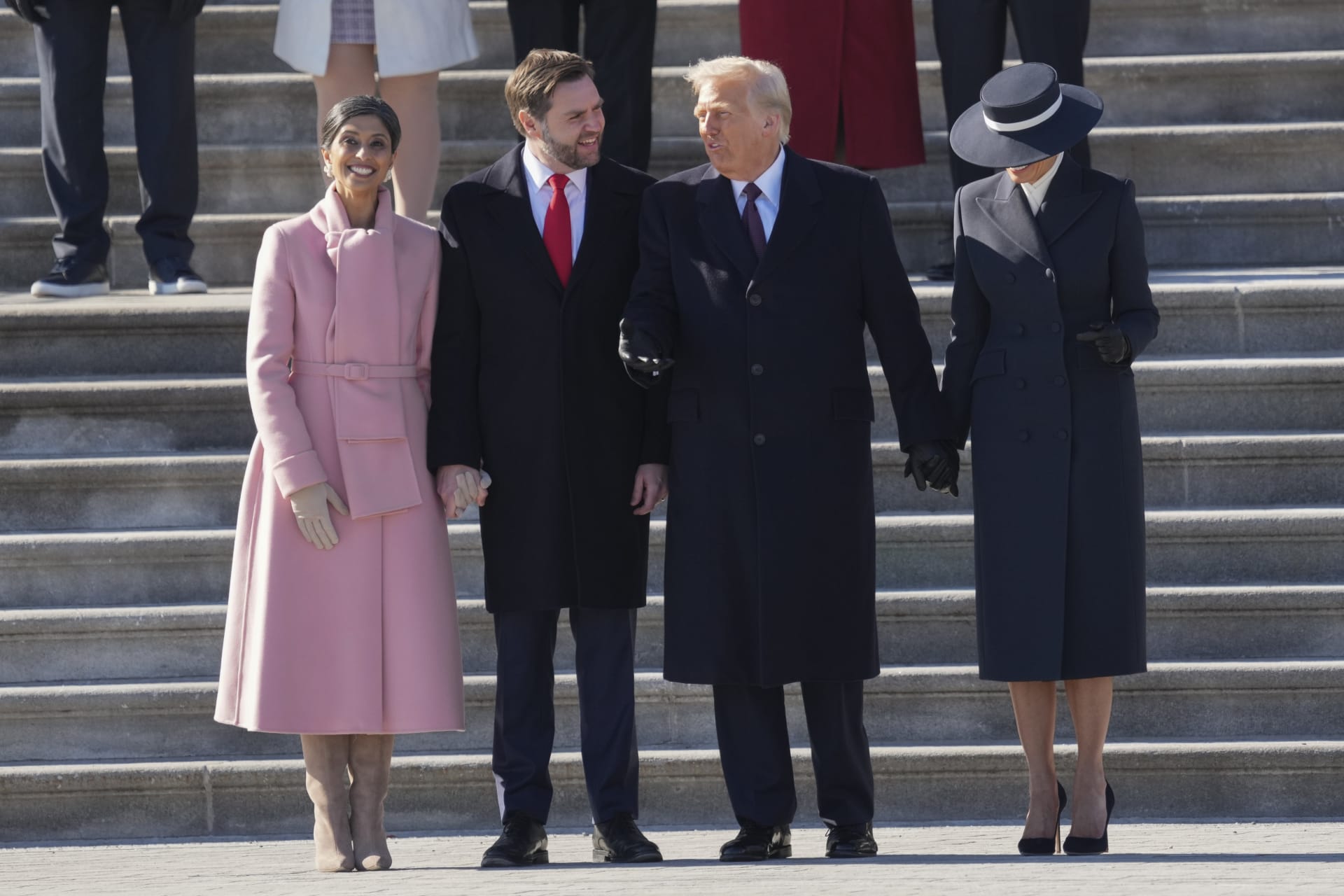
Amid the intensifying US-Israeli war against Iran, statements from US President Donald Trump have emerged as a sign of the potential for an agreement that could alleviate the ongoing conflict that has persisted for over three weeks. Trump announced a postponement of potential military strikes on Iranian facilities, indicating that Washington is engaged in 'good and constructive' talks with Tehran.
However, Tehran's response was not what some expected, as its reactions ranged from denial to caution, stipulating that US Vice President JD Vance must lead any future negotiations. This condition raises questions about why Iran has chosen Vance over other officials.
Details of the Event
Reports indicate that Tehran no longer trusts the envoys previously relied upon by Trump, namely Steve Witkoff and Jared Kushner. Iranian officials have refused to sit down at the negotiating table with them again, accusing them of 'stabbing Iran in the back' during previous negotiation rounds. Tehran views Witkoff and Kushner as the 'deceptive face' of the Trump administration, as they were involved in engineering the 'Abraham Accords' and managed previous negotiations that ended with a surprise war against Iran.
JD Vance is considered a preferred choice for Iran because he comes from outside the circle of the White House 'hawks' who seek to ignite wars. Vance initially opposed the war and is known for his absolute opposition to US interventions in foreign conflicts, making him a figure capable of offering concessions aimed at military withdrawal and securing US national interests.
Background & Context
Historically, US-Iranian relations have seen increasing tensions since the US withdrawal from the nuclear agreement in 2018. Since then, Washington has imposed strict sanctions on Tehran, leading to a rise in military tensions in the region. In this context, Trump's recent statements come as a step that could open the door to new dialogue, despite the surrounding doubts.
Vance, known for his isolationist stance, is an unconventional figure in the world of diplomacy. He believes that involvement in foreign conflicts represents a drain on US resources, making him a potential choice for Iran, which is seeking a negotiating partner that can understand its interests.
Impact & Consequences
If negotiations led by Vance succeed, they could lead to a reduction in regional tensions, positively impacting regional security. Additionally, the success of these negotiations could help improve the image of the Trump administration domestically, especially in light of the upcoming presidential elections.
On the other hand, if negotiations fail, it could escalate the conflict, threatening regional stability and increasing civilian suffering. The continuation of the war could also negatively impact the US economy, which may reflect on the upcoming elections.
Regional Significance
The developments in US-Iranian relations are of great importance to the Arab region. Ongoing conflicts in the Middle East directly affect the security and stability of Arab countries, as any escalation in the conflict could have negative repercussions on neighboring states.
Moreover, the success of negotiations could open the door for a reevaluation of relations between Arab countries and Iran, potentially contributing to greater stability in the region. Conversely, failure to reach an agreement could lead to heightened tensions, threatening regional security.
In conclusion, the future of negotiations hangs in the balance of the parties' ability to overcome doubts and build trust, which could contribute to ending the conflict and achieving peace in the region.