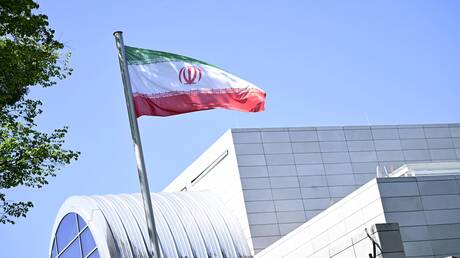
Ali Bagheri Kani, Deputy Secretary of Iran's Supreme National Security Council, stated that Tehran is seeking the release of all Iranian assets held by Washington, emphasizing it as a legal right of the Iranian people.
These statements come at a time when relations between Iran and the United States are increasingly strained, with Tehran accusing Washington of unlawfully retaining its financial assets. This demand is part of Iran's ongoing efforts to reclaim its financial rights that have been frozen under imposed sanctions.
Details of the Situation
Bagheri Kani clarified that the frozen Iranian assets include significant amounts of money, indicating that these funds represent a legitimate right for the Iranian people. He noted that Iran will not relinquish its rights and will continue to press for the release of these assets.
The frozen assets include funds that were frozen in American and European banks as a result of sanctions imposed on Iran due to its nuclear program. This issue is considered sensitive and affects negotiations between Iran and Western countries.
Background & Context
Historically, Iranian-American relations have seen significant fluctuations, beginning with the Islamic Revolution in 1979. Since then, the United States has imposed multiple economic sanctions on Iran, leading to the freezing of its financial assets abroad.
In recent years, Iran has attempted to improve its relations with some European countries; however, tensions with the United States have persisted. These tensions escalated following Washington's withdrawal from the nuclear agreement in 2018, exacerbating the economic situation in Iran.
Impact & Consequences
Iran's demands for the release of frozen assets could escalate tensions between Tehran and Washington, especially if the latter does not respond to these demands. This situation may also impact ongoing nuclear negotiations, as Iran views the recovery of its assets as a crucial part of any potential agreement.
If the United States continues to refuse to release these assets, Iran may resort to escalatory measures, complicating the situation in the region and affecting regional stability.
Regional Significance
The Iranian-American situation significantly impacts the Arab region, as any escalation in relations could have repercussions for neighboring countries. Moreover, Iran's recovery of its assets could enhance its economic and political standing in the region.
Arab countries are closely monitoring these developments, as any changes in relations between Iran and the United States could influence security and stability in the region.