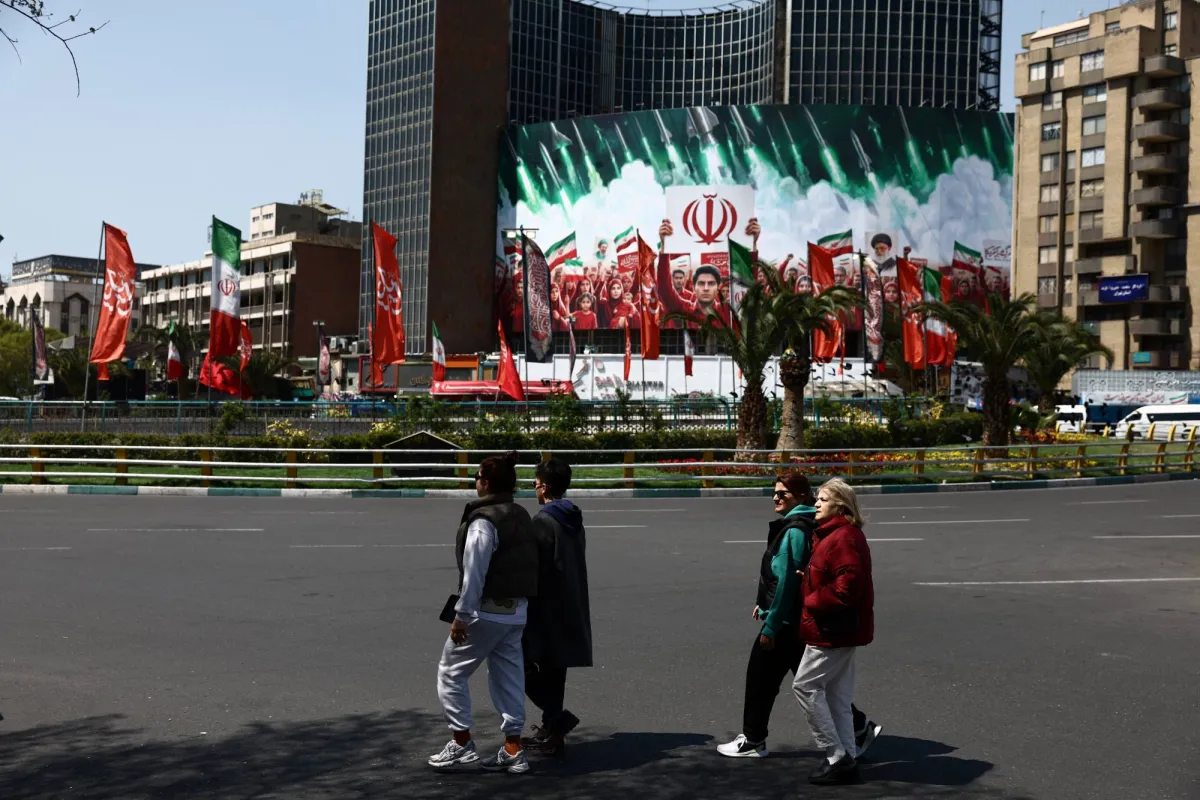
In a bid to bolster the image of the Iranian regime, senior officials participated in public tours in Tehran after more than a month of assassination attempts. These moves come amid escalating American and Israeli pressures on Iranian leadership.
In recent days, Iranian President Masoud Bezhakian and Foreign Minister Abbas Araghchi joined small groups of supporters in the streets of the capital, where footage of them interacting with the public was broadcast, reflecting an attempt to show that the Islamic Republic remains strong and cohesive.
Details of the Event
The repeated appearances of Iranian officials in public spaces are part of a calculated strategy aimed at projecting an image of resilience in the face of challenges, especially following the repeated attacks targeting their leadership. Analysts have pointed out that these moves aim to reassure the Iranian people that the regime still controls the situation despite external pressures.
The American-Israeli war on Iran began on February 28 after the assassination of former Supreme Leader Ali Khamenei and several military leaders. Since then, Iran has faced a series of strikes targeting its leadership, heightening tensions in the region.
Background & Context
Historically, Iran has faced numerous political and military challenges, especially since the Islamic Revolution in 1979. However, the Iranian regime has encountered both internal and external challenges, affecting its popularity. With escalating military pressures, the regime seeks to regain confidence among its supporters through these public appearances.
At the same time, the absence of the new Supreme Leader Mohsen Khamenei from public appearances since taking office reflects a state of anxiety within the ruling establishment. Meanwhile, the name of Foreign Minister Abbas Araghchi has been removed from the Israeli assassination list, indicating the efforts of mediators like Pakistan to bring Tehran and Washington to the negotiation table.
Impact & Consequences
These moves indicate that Iran seeks to raise the political cost of attacks targeting its leadership, especially amid growing concerns among civilians due to human losses. Analysts have noted that the regime relies on the support of its street supporters to bolster its authority, particularly under increasing pressures.
Moreover, these appearances could lead to increased international sympathy for Iran, especially if military pressures continue. Some analysts have suggested that this strategy could be effective in enhancing the regime's image both domestically and internationally.
Regional Significance
The Arab region is significantly affected by the escalating tensions between Iran and the United States and Israel. These events could lead to increased instability in Gulf countries, where American forces are present. Additionally, any military escalation could impact oil prices and exacerbate sectarian tensions in the region.
Ultimately, the situation in Iran remains volatile, as the leadership seeks to maintain its authority amid rising external pressures. With the war ongoing, matters may trend toward greater escalation, threatening stability across the entire region.