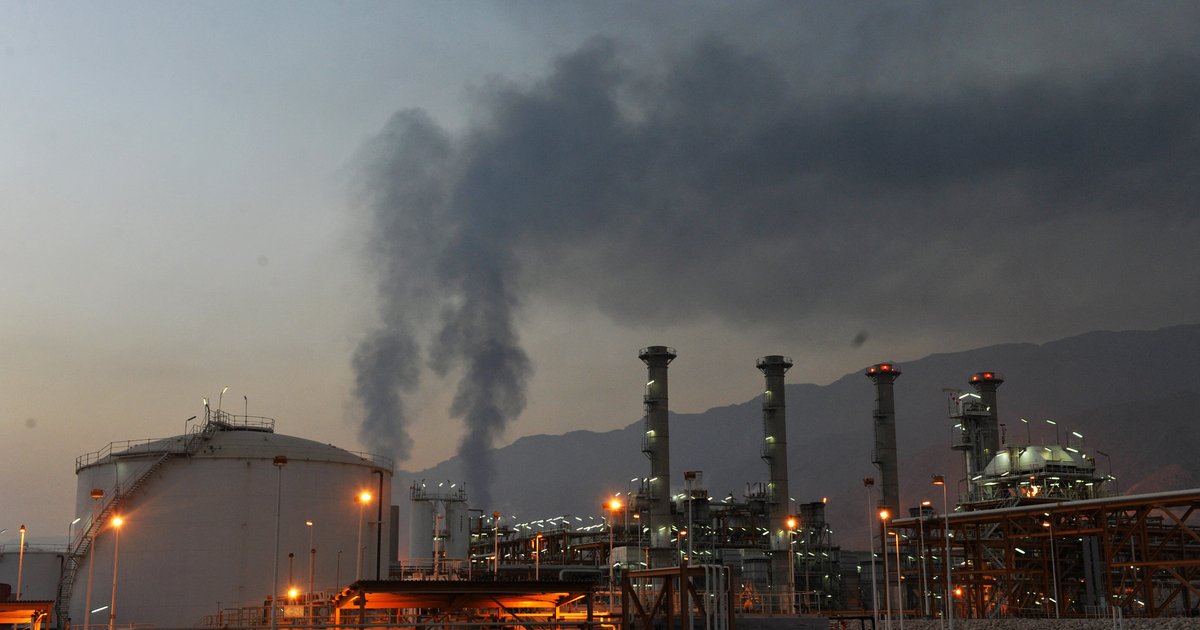
Iranian Oil Minister Javad Owji categorically denied rumors of a fuel shortage in Iran, pointing out that local fuel production is stable and sufficient to meet market needs. Owji confirmed that the government is working to enhance production and provide fuel for citizens, despite the economic challenges facing the country.
Owji's statements come at a sensitive time, as Iran is under increasing economic pressure due to international sanctions that have significantly impacted various sectors, including the energy sector. Nevertheless, the Iranian government appears to be striving to maintain stability in the local market and meet citizens' fuel needs.
Event Details
During a press conference, Owji clarified that Iran possesses substantial reserves of oil and gas, and is capable of meeting its domestic needs. He also mentioned that the government is working on developing oil and gas infrastructure, including new projects aimed at increasing production and improving efficiency.
The minister emphasized that there are future plans to expand production and develop new technologies in the energy sector, which will contribute to enhancing the country's ability to face economic challenges. He also stressed the importance of cooperation with local and international companies to achieve these goals.
Background & Context
Historically, the Iranian oil sector has been one of the main pillars of the national economy, representing a primary source of revenue. However, since the imposition of international sanctions, Iran has faced significant challenges in this sector, affecting its ability to export oil and meet local market needs.
Despite these challenges, Iran has managed to maintain a certain level of production, as the government continues to work on developing new projects to boost local production. There are also ongoing efforts to improve relations with other countries in the energy sector, which may help alleviate economic pressures.
Impact & Consequences
The statements from the Iranian oil minister underscore the importance of stability in the country's fuel market, as this is a vital element for maintaining social and economic stability. Should any fuel shortage occur, it could lead to increased protests and social unrest, negatively impacting the government.
Moreover, stability in the fuel market can contribute to enhancing trust between citizens and the government, which helps improve overall economic conditions. Therefore, maintaining production levels and meeting market needs is of utmost importance.
Regional Significance
Iran is considered one of the largest oil producers in the region, and any changes in its production could affect global oil prices. If Iran can maintain stable production, it may contribute to price stability, benefiting other Arab countries that rely on oil exports.
Furthermore, stability in the Iranian market could enhance opportunities for regional cooperation in the energy sector, potentially contributing to shared interests between Arab countries and Iran.
In conclusion, the statements from the Iranian oil minister serve as an indicator of the efforts being made to maintain stability in the country's fuel market amid ongoing economic challenges. It will be important to monitor future developments in this context.