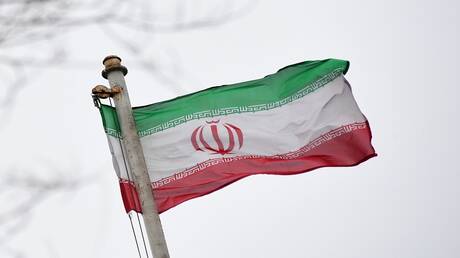
Iran's diplomatic mission chief in Cairo, Mostafa Fardousi Pour, confirmed that the country possesses no information supporting the notion of Gulf states' involvement in the strikes that targeted the territory of the Islamic Republic. These statements come at a sensitive time when the region is experiencing escalating tensions.
Iran seeks to clarify its position regarding recent events, facing increasing international pressures, particularly following strikes that targeted sites within its borders. These statements reflect Iran's desire to deny any collusion from Gulf states, which have long been a focal point of controversy in the context of regional relations.
Details of the Incident
In remarks made during a press conference, Fardousi Pour indicated that Iran is closely monitoring the situation and that no information regarding Gulf states' participation in these strikes has reached them. He considered these allegations to be part of a media campaign aimed at tarnishing Iran's image on the international stage.
He also added that his country reserves the right to defend its sovereignty and will take all necessary measures to protect its territory. These statements come amid rising tensions between Iran and the United States, as well as other Western nations.
Background & Context
Historically, relations between Iran and Gulf states have been marked by recurring tensions, especially in light of regional conflicts such as the war in Yemen and the Syrian crisis. Iran has long accused Gulf states of supporting armed groups opposing the Iranian regime, which has exacerbated tensions.
In recent years, the region has witnessed an increase in military operations, leading to growing concerns among neighboring countries. The economic and political pressures faced by Iran, particularly following the U.S. withdrawal from the nuclear agreement, may have contributed to the escalation of these tensions.
Impact & Consequences
Fardousi Pour's statements underscore the importance of dialogue in easing tensions. The absence of accurate information regarding events can lead to worsening situations and increase the chances of military escalation in the region.
If these conditions persist, they could affect regional security and heighten polarization among major powers in the Middle East. Any escalation could negatively impact the regional economy, which is already suffering from the effects of the COVID-19 pandemic.
Regional Significance
These statements are significant for countries in the region, reflecting a state of uncertainty in regional relations. Amid the multiple crises facing Gulf states, any escalation in tensions could have negative repercussions on security and stability in the area.
It is crucial for Arab states to maintain coordination and cooperation to avoid any escalation that could affect their interests. Dialogue and understanding among countries can be key to alleviating tensions and achieving stability in the region.