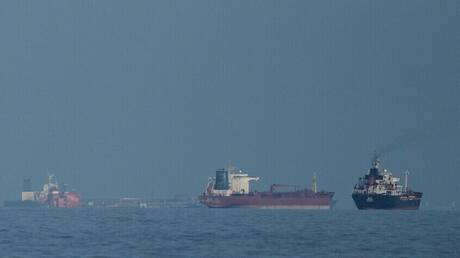
The Iranian embassy in New Delhi has vehemently denied circulating reports regarding the imposition of a $2 million transit fee on commercial vessels traversing the Strait of Hormuz. In an official statement, the embassy described these allegations as "baseless," emphasizing that Iran has not made any decisions regarding such fees.
These statements come at a time of escalating tension in the region, where the Strait of Hormuz is considered a vital passage for global trade. Reports indicate that over 20% of the world's oil is transported through this corridor, making it a significant strategic point.
Details of the Recent Claims
In recent days, rumors have spread suggesting that Iran intends to impose fees on commercial ships passing through the Strait of Hormuz, raising concerns among various countries and companies that rely on this critical route for exporting and importing goods. However, the Iranian embassy reiterated in its statement that this news is incorrect and that the Iranian government remains committed to securing maritime traffic in the strait.
Historically, the Strait of Hormuz has witnessed numerous political and military tensions in recent years, with increased U.S. and allied maritime activities in the Arabian Gulf raising fears of potential conflicts that could affect trading traffic.
Background & Context
The strait connects the Gulf of Oman with the Arabian Gulf and has played a crucial role in the economic and political history of the region. Since the 1970s, Iran has taken various steps to enhance its control over the strait, leveraging its geographical position as a vital trading route.
With rising economic pressures and sanctions imposed on Iran, securing trade routes has become a foundational task for Tehran. As Iran seeks to respond to Western pressures, ensuring that economic conditions remain stable could be part of its strategy.
Impact & Consequences
The emphasis on imposing transit fees in the Strait of Hormuz could lead to ripple effects on the global economy. Recent years of regional tensions have caused an increase in oil prices, impacting numerous economies, particularly those reliant on energy imports.
Should the transit fees be confirmed, traders may look for alternative routes to ship their cargoes, potentially altering market dynamics. Amid these changes, some countries that may be less dependent on Gulf corridors could benefit, while others that heavily rely on imported oil from the region might suffer.
Regional Significance
Events unfolding in the Strait of Hormuz directly affect the stability of the Arab region. As Arab nations strive to enhance economic cooperation and regional security, any escalation in tensions may undermine these efforts.
Moreover, the navigational security in the Strait of Hormuz is regarded as a critical factor for the stability of energy markets, which directly impacts Arab nations that depend on oil as one of their main revenue sources.
In conclusion, there remains hope that Iran will continue to adopt policies that contribute to ensuring free navigation in the strait, reflecting its commitment to participatory efforts in regional and global stability.