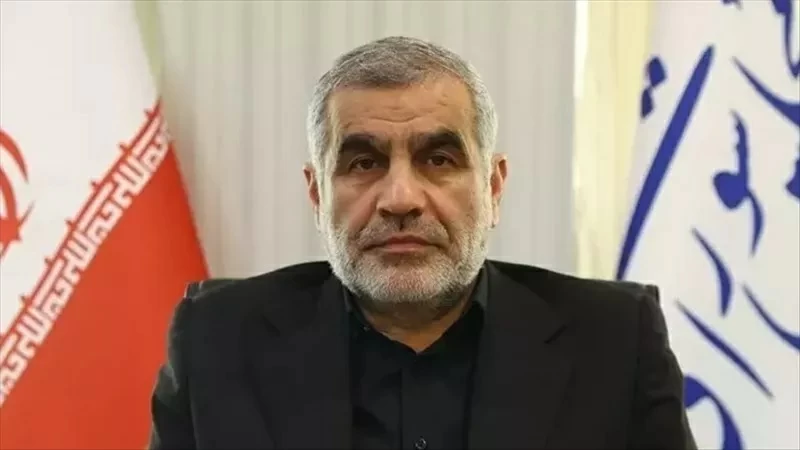
In a new political development, Iran's Deputy Parliament Speaker, Ali Nikzad, has denied the existence of any negotiations with the United States, following repeated statements from U.S. President Donald Trump regarding progress in talks. Nikzad stated today (Wednesday) that claims of negotiations between Parliament Speaker Mohammad Baqer Qalibaf and the American side are unfounded, considering them attempts to incite discord.
Nikzad added that the Strait of Hormuz, one of the world's most critical waterways, will not be opened, stressing that Iran has not conducted any negotiations on this matter and will not do so. He clarified that the decision regarding war, peace, and negotiations rests with the Iranian Supreme Leader, who has not granted any permission for negotiations.
Details of the Event
Tehran has reiterated its conditions for halting the conflict, with Iranian President Masoud Bezhakian demanding guarantees against repeated aggression, financial compensation, clear delineation of responsibilities, and a cessation of hostilities on all fronts. In this context, Iranian Foreign Minister Abbas Araghchi acknowledged in a television interview that he received direct messages from U.S. envoy Steve Biegun, but he confirmed that this does not imply ongoing negotiations between the two countries.
Araghchi described the current interactions with the United States as not reaching the level of negotiations, but rather limited to the exchange of messages directly or through intermediaries in the region. He noted that Iran has not yet made a decision regarding negotiations, but its conditions for ending the war are clear, including guarantees against the recurrence of attacks and compensation for damages.
Background & Context
These statements come at a sensitive time, as Pakistan has conveyed to the Iranian side a U.S. plan consisting of 15 points, which Tehran is currently reviewing. Iranian sources have described this proposal as unjust and exaggerated, reflecting the increasing tensions between Iran and the United States.
At the same time, an Israeli official has suggested that Iran's response to the U.S. proposal could lead to a breakdown in talks, potentially prompting Israel to target Iranian power stations. These dynamics indicate that the situation in the region may be more complex than it appears.
Impact & Consequences
The statements from Iranian officials underscore their unwillingness to engage in negotiations with the United States, which may heighten tensions in the region. Additionally, the closure of the Strait of Hormuz could negatively impact global trade flows, especially amid volatile economic conditions.
On the other hand, Iran's steadfast position regarding its conditions for halting the conflict demonstrates its desire to maintain sovereignty and not concede its demands. This situation could lead to the continuation of the conflict in the region, affecting both regional and international security.
Regional Significance
Arab countries are directly affected by these developments, as any escalation in the conflict between Iran and the United States could have negative repercussions on security and stability in the region. Furthermore, ongoing tensions may influence oil prices and trade flows, impacting Arab economies.
In conclusion, the situation in the region appears to be heading towards further complexity, with increasing challenges to any potential diplomatic efforts. It requires Arab nations to take clear and impactful positions to address these changing circumstances.