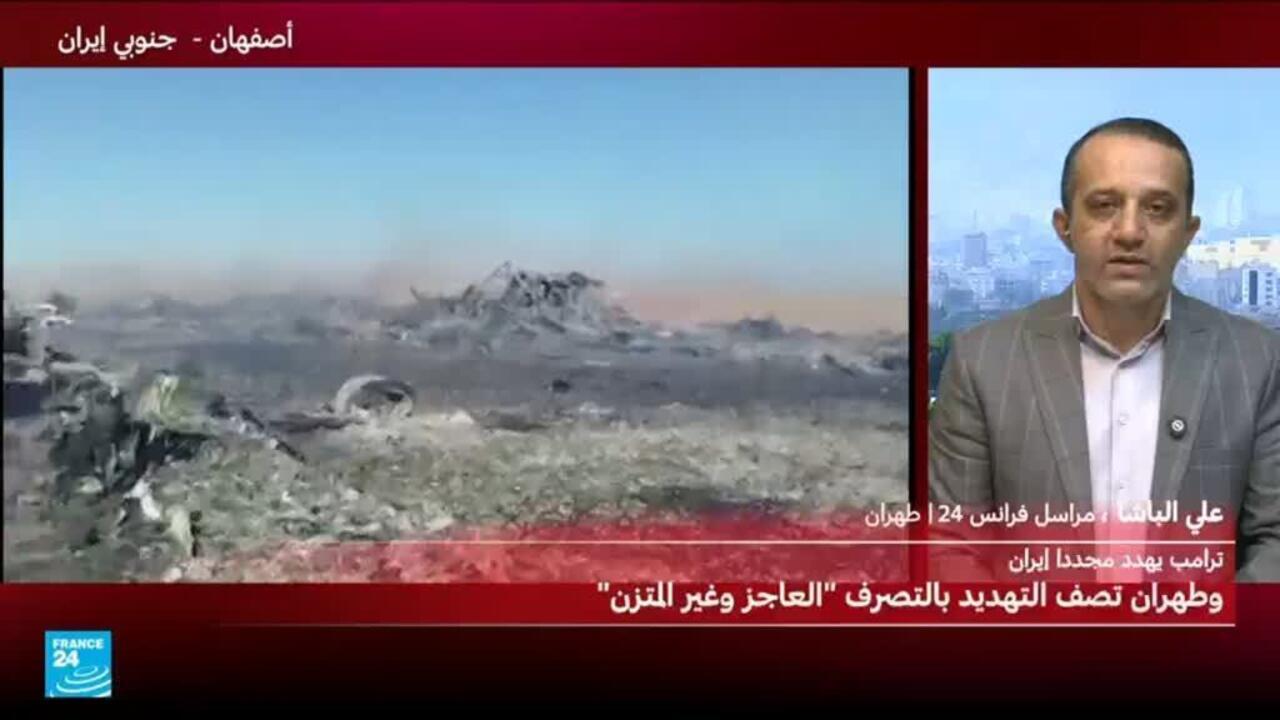
In a new development, the Iranian armed forces confirmed on Sunday that US troops used an abandoned airport in southern Isfahan province in a failed attempt to rescue one of the pilots of a warplane that crashed on Friday in the Islamic Republic.
Brigadier General Ibrahim Zolfaghari, spokesperson for the 'Khatam al-Anbiya Headquarters', the central operations room of the Iranian armed forces, stated that 'the so-called US military rescue operation, planned as a deception and escape at an abandoned airport in southern Isfahan under the pretext of retrieving a downed pilot, was a complete failure.' He also added that the operation resulted in the destruction of two C-130 military transport aircraft and two Black Hawk helicopters.
Details of the Incident
These statements come at a sensitive time as tensions between Iran and the United States escalate. Zolfaghari indicated that the operation was merely an attempt to mislead American public opinion, emphasizing that Iranian forces were aware of US troop movements.
He clarified that the American aircraft involved in the operation faced significant pressure, leading to their failure to achieve their objectives. These remarks raised questions about the United States' capability to conduct complex rescue operations in geographically challenging areas like Iran.
Background & Context
Historically, US-Iranian relations have seen increasing tensions since the Islamic Revolution in 1979. These tensions have intensified in recent years, particularly following the US withdrawal from the Iranian nuclear deal in 2018. In this context, this incident is part of a series of events reflecting the ongoing conflict between the two countries.
Moreover, US military operations and interventions in the Middle East often provoke strong reactions from Iran, which sees itself as the defender of national sovereignty against what it perceives as foreign interventions. This incident also highlights the challenges faced by the United States in executing its military operations in complex regions.
Impact & Consequences
This incident is likely to escalate tensions between Iran and the United States, as Iran may use this event to justify further military or political actions against the US. Additionally, Iranian statements could influence American public opinion, increasing pressure on the US administration.
On the other hand, this incident could strengthen Iran's position in the region, as it may demonstrate its ability to confront American military challenges. This could encourage Iran to take bolder steps in its regional policy.
Regional Significance
This incident holds particular importance for the Arab region, as it reflects the ongoing struggle between major powers and its impact on regional security. Arab countries, especially those with ties to the United States, may feel concerned about the rising tensions between Iran and the US.
Furthermore, these events could affect relations between Iran and Arab states, potentially leading to further divisions in the region. It is crucial for Arab nations to closely monitor these developments, as they may impact the overall stability of the region.
In conclusion, this incident remains a testament to the ongoing tensions between Iran and the United States, highlighting the challenges both nations face in the context of regional and international conflict.