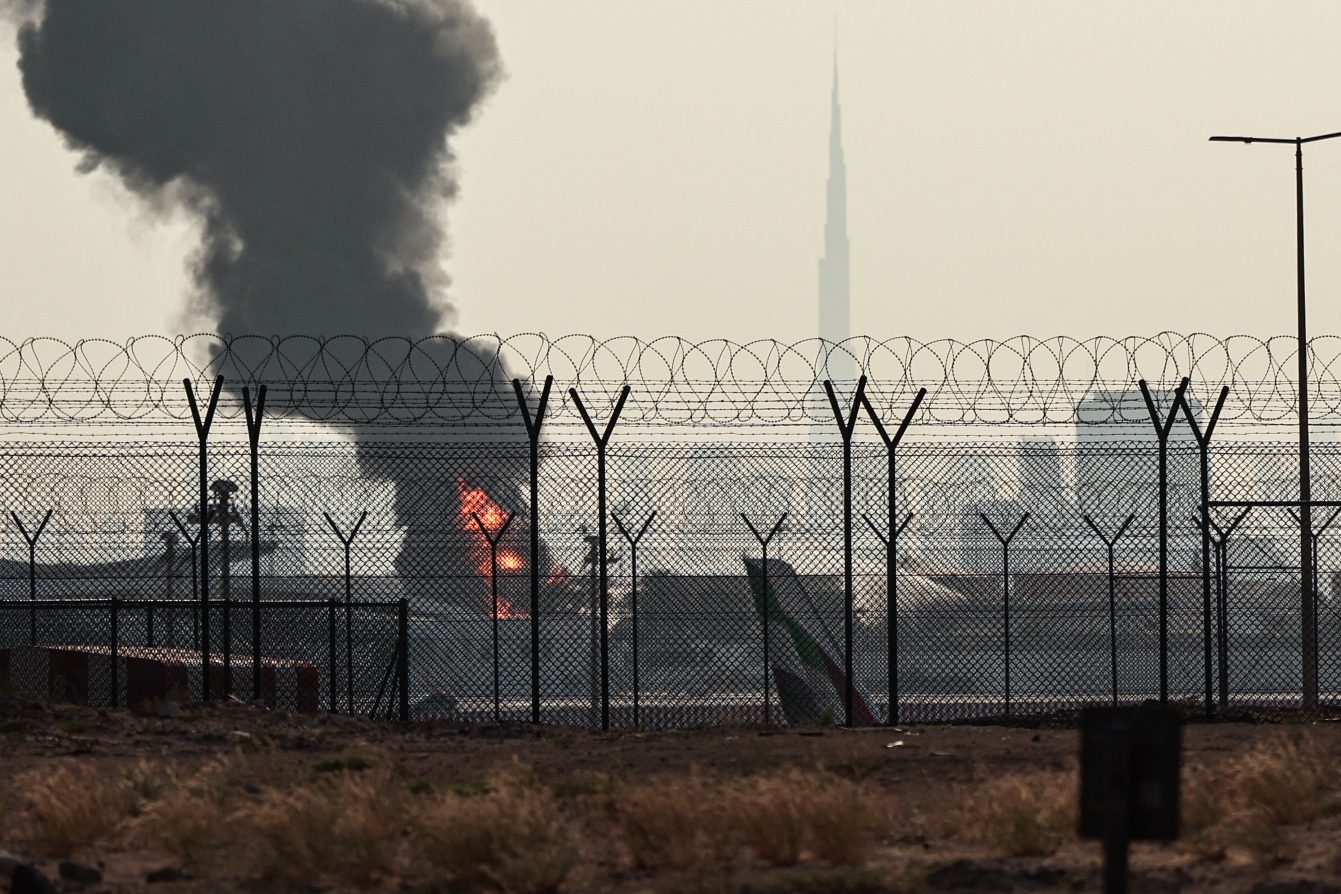
The Iranian Revolutionary Guard Corps has announced that it successfully destroyed an American drone that was conducting surveillance on the crew of a downed American fighter jet in the Isfahan region of southern Iran. The Iranian news agency Tasnim reported that the American drone, described as a "hostile aircraft," was targeted by Iranian forces, although further details about the operation have yet to be disclosed.
These developments come at a sensitive time, as the region is witnessing search and rescue operations following the downing of an F-15E fighter jet, which has led to violent clashes between Iranian and American forces. U.S. President Donald Trump later confirmed that one of the American weapons systems officers had been rescued, describing the operation as one of the boldest in U.S. history.
Details of the Incident
In the context of these events, the American fighter jet was shot down during a mission in Iranian airspace, prompting varied reactions from both sides. The Iranian Revolutionary Guard indicated that the American drone was attempting to gather information about the downed crew, which led them to decide to destroy it.
This operation occurs amid escalating tensions between Iran and the United States, with increasing fears of a potential military escalation in the region. Reports have indicated ongoing clashes between Iranian and American forces, complicating the security situation further.
Background & Context
Historically, relations between Iran and the United States have been marked by continuous tensions since the Islamic Revolution in 1979. These tensions have particularly escalated following the U.S. withdrawal from the Iranian nuclear deal in 2018, leading to severe economic sanctions imposed on Iran. In recent years, military incidents between the two sides have increased, raising concerns about the possibility of a full-scale military conflict.
The Middle East is considered a hotspot for geopolitical tensions, with major powers playing a pivotal role in determining the fate of many nations. Recent events reflect how military incidents can lead to rapid escalations in tensions, threatening regional stability.
Impact & Consequences
These events serve as a wake-up call for the international community regarding the potential risks of military escalation in the region. If these incidents continue, they may lead to greater military interventions by the United States or its allies, further complicating the security situation in the Middle East.
Moreover, military escalation could impact oil prices and global financial markets, as the Arabian Gulf region is one of the most important trade routes. Any threats to security in this area could result in rising prices and increased volatility in the markets.
Regional Significance
Events in Iran directly affect neighboring Arab countries, as Iran is a key player in many regional conflicts. The rising tensions between Iran and the United States could impact the stability of countries such as Iraq, Syria, and Lebanon, where Iranian forces are present.
Arab nations may also find themselves compelled to deal with the repercussions of any potential military escalation, which could lead to shifts in regional alliances. Under these circumstances, it becomes essential for Arab countries to adopt effective strategies to address the growing security challenges.