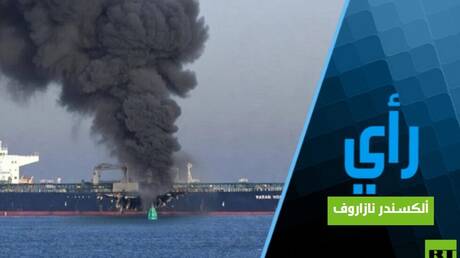
Iran has developed an advanced navigation management system in the Strait of Hormuz, reflecting its strategy to enhance control over this vital maritime corridor. This development comes amid rising tensions in the region, as the Strait of Hormuz is a major transit point for oil and natural gas, holding strategic importance for both producing and consuming countries.
The Strait of Hormuz, linking the Arabian Gulf and the Sea of Oman, is one of the busiest waterways in the world, with approximately 20% of global oil exports passing through it. Political and military tensions in the area have heightened fears of conflicts that could impact navigation in this crucial strait.
Details of the Development
According to sources, the new system developed by Iran aims to improve ship traffic management and facilitate navigation in the strait. This system includes advanced technologies for monitoring ship movements and accurately determining their locations, enabling Iran to enhance its ability to control maritime navigation. The announcement of this system comes at a time when threats from the United States and its allies are increasing, as they seek to diminish Iranian influence in the region.
This move is part of Iran's efforts to bolster its military and technological capabilities, as Tehran seeks to assert its control over the Strait of Hormuz as part of its regional strategy. Iranian officials have indicated that this system will enhance the country's ability to confront the security challenges it faces in the region.
Background & Context
Historically, the Strait of Hormuz has witnessed numerous crises and conflicts, serving as the backdrop for several maritime incidents that have affected navigation. In recent years, tensions between Iran and the United States have escalated, particularly following the latter's withdrawal from the nuclear agreement in 2018. This has led to the imposition of stringent economic sanctions on Iran, complicating the situation in the region.
Additionally, other regional conflicts, such as the war in Yemen and Gulf tensions, have contributed to increased fears of a potential military escalation in the Strait of Hormuz. This area is considered one of the most sensitive regions in the world, where the interests of many major powers intersect.
Impact & Consequences
The development of Iran's navigation management system in the Strait of Hormuz could lead to heightened tensions in the region, as this move may be viewed as a challenge to the military presence of the United States and its allies. These developments could provoke reactions from Western countries, increasing the likelihood of military escalation.
Moreover, Iranian control over navigation in the strait could significantly impact global oil prices, as any threats to close the strait could sharply raise oil prices. This, in turn, could affect the global economy and increase pressure on energy-consuming countries.
Regional Significance
Given the strategic importance of the Strait of Hormuz, any escalation in tensions could affect neighboring Arab countries, especially those heavily reliant on oil exports. Additionally, any threats to navigation could increase tensions between Arab countries and Iran, complicating peace and stability efforts in the region.
In conclusion, Iran's development of a navigation management system in the Strait of Hormuz represents a strategic step reflecting its regional ambitions. As tensions rise, the question remains how these developments will impact security and stability in the region.