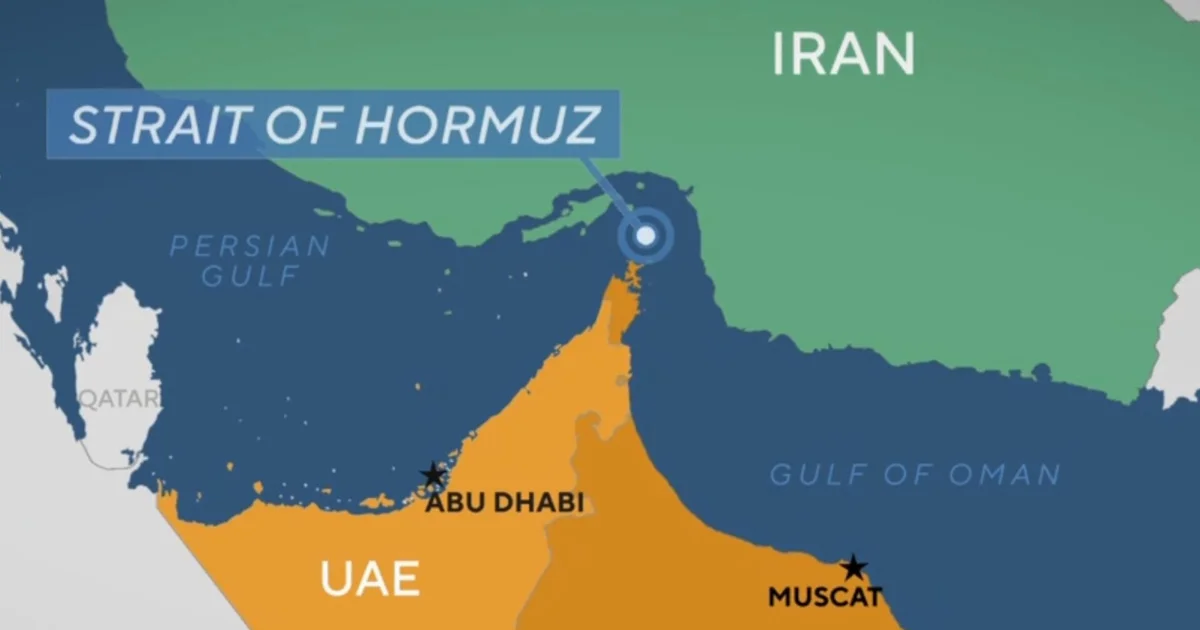
The CEO of the largest energy company in the United Arab Emirates confirmed that Iran's disruption of oil flow through the Strait of Hormuz is considered 'global economic blackmail.' These statements come at a sensitive time when global markets are experiencing a severe shortage of energy supplies, raising significant concerns about price stability and market needs.
The Strait of Hormuz is a vital transit point for oil transport, with approximately 20% of the world's oil supplies passing through it. The increasing tensions in the region have exacerbated the situation, impacting market stability and oil prices.
Details of the Event
In remarks made during a press conference, the CEO of the Abu Dhabi National Oil Company (ADNOC) explained that Iran's disruption of oil flow through the Strait of Hormuz poses a threat to global economic security. He noted that these actions represent a risk to market stability, necessitating an effective international response.
These statements come at a time when the region is witnessing escalating tensions between Iran and Western countries, particularly following the United States' withdrawal from the Iranian nuclear deal. These tensions have intensified conflicts in the region, affecting global trade flows.
Background & Context
The Strait of Hormuz is one of the most important maritime corridors in the world, linking the Arabian Gulf to the Indian Ocean. Historically, the strait has witnessed numerous disputes and conflicts, especially during periods of tension between Iran and Western nations. In recent years, these tensions have significantly increased, raising fears of potential military conflicts that could impact global oil supplies.
Iran, which is considered one of the largest oil producers in the world, has used the Strait of Hormuz as a means to exert pressure on Western countries. The past few years have seen several incidents involving oil tankers, heightening concerns about maritime security in the region.
Impact & Consequences
The disruption of oil flow through the Strait of Hormuz directly affects global oil prices, potentially leading to a significant increase in prices due to supply shortages. Additionally, these conditions may escalate tensions between major powers, which could reflect on political stability in the region.
Moreover, the continuation of these circumstances could impact foreign investments in the region, as companies may hesitate to inject new investments amid instability. This could lead to a slowdown in economic growth in Gulf countries, which heavily rely on oil revenues.
Regional Significance
Arab countries, especially those in the Gulf, are considered the most affected by the consequences of oil flow disruption through the Strait of Hormuz. These countries heavily depend on oil exports to meet their economic needs. Any decline in oil supplies could negatively impact the budgets of these nations and increase economic pressures.
Furthermore, the escalating tensions may lead to increased divisions among Arab countries, as positions may vary regarding Iran and how to deal with potential threats. This could affect regional cooperation and heighten the challenges facing the area.
In conclusion, the situation in the Strait of Hormuz remains under scrutiny, as the international community must take effective steps to ensure the stability of oil flow and protect global economic security.