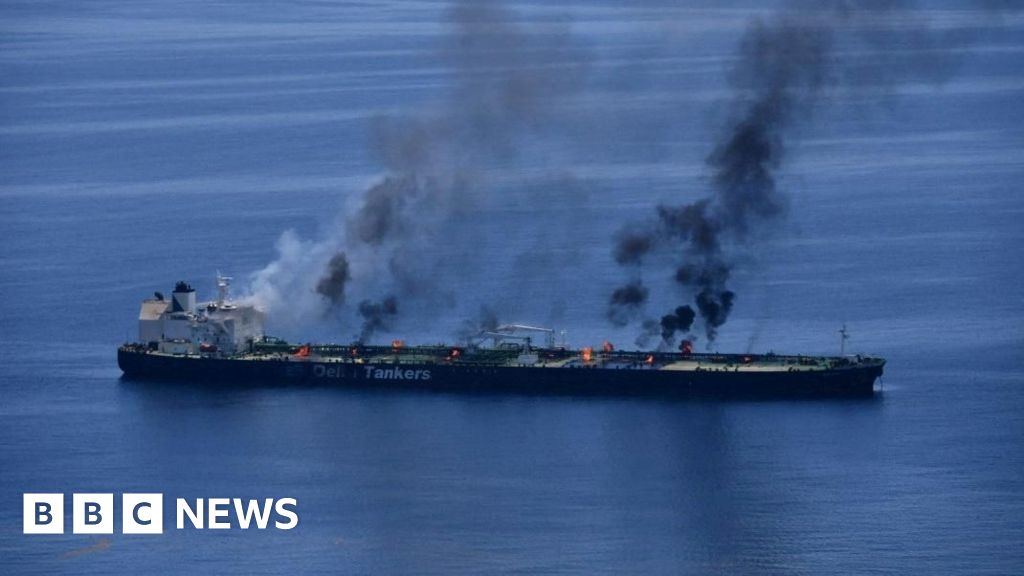
Shipping in the Strait of Hormuz is facing a critical crisis, as reported by the Wall Street Journal, with approximately 2000 ships stranded in this vital corridor. This situation arises amidst Iran's disruption of maritime freedom, threatening the safety of over 20,000 sailors operating in the region.
This crisis serves as a serious warning to the international community, as the Strait of Hormuz represents a key transit point for oil and natural gas shipments to global markets. Many countries rely on this corridor to secure energy supplies, making any disruption here have far-reaching consequences.
Event Details
The stranded vessels face multiple challenges, including shortages of food and fuel supplies. Some sailors have reported being stuck in difficult conditions, increasing health and psychological risks. Additionally, delays in shipping operations could lead to rising commodity prices in global markets.
Concerns are growing that the continuation of this crisis may escalate tensions between Iran and Western nations, especially with warnings of potential military confrontations in the region. Some countries have expressed readiness to intervene to ensure maritime freedom, which could complicate the situation further.
Background & Context
The Strait of Hormuz is one of the busiest waterways in the world, with approximately 20% of the total oil transported by sea passing through it. Historically, this strait has witnessed numerous crises, including military conflicts and threats from armed groups. These tensions have contributed to increased fears of supply disruptions.
In recent years, Iran has intensified its military activities in the region, leading to heightened tensions with Western nations. Reports suggest that Iran may be using this crisis as leverage against the international community to achieve its political objectives.
Impact & Consequences
This crisis could have severe economic repercussions, not only for countries dependent on oil but also for the global economy as a whole. Rising oil prices due to shipping disruptions may affect fuel and essential goods prices worldwide.
Moreover, this crisis could lead to increased political tensions in the region, which may impact relations between countries. Some nations may take military action to ensure the safety of navigation, raising the likelihood of armed conflict.
Regional Significance
The Arab countries neighboring the Strait of Hormuz are the most affected by this crisis, as many of them rely on oil and gas supplies. Any disruption in these supplies could have negative effects on their economies, increasing economic and social pressures.
This crisis may also lead to increased political divisions in the region, as some countries may adopt differing stances towards Iran. It is crucial for Arab nations to cooperate to ensure regional stability and protect their interests.
In conclusion, the crisis in the Strait of Hormuz remains a vital issue requiring urgent international attention. The international community must work together to ensure maritime freedom and protect sailors, while seeking diplomatic solutions to avoid escalating tensions.