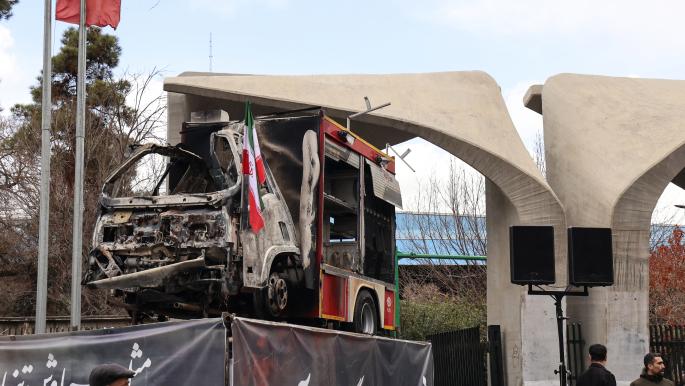
Iranian Minister of Science, Research, and Technology, Hussein Simayi Sarraf, confirmed that 20 universities and scientific centers, including student housing, in Iran have faced direct attacks since the beginning of Israeli aggression. These assaults occur at a sensitive time, as tensions in the region have notably escalated.
These attacks are recorded as part of the ongoing escalation between Iran and Israel, with both countries exchanging accusations regarding the targeting of vital facilities. This situation has raised significant concern within academic and scientific circles, as education and scientific research are considered essential foundations for any developed society.
Details of the Incident
According to the Iranian minister's statements, the attacks on universities and scientific centers have caused severe damage to some facilities, adversely affecting the educational and research processes. He indicated that these attacks are not new but are part of a systematic Israeli policy aimed at targeting Iranian infrastructure.
The targets of the attacks include several prestigious universities and specialized research centers, raising questions about the political and military dimensions behind these assaults. The minister also confirmed that the Iranian government will take legal action to hold those responsible for these aggressions accountable.
Background & Context
Historically, Iranian-Israeli relations have seen increasing tensions, with Iran viewing Israel as an existential threat. In recent years, reciprocal attacks have escalated, whether through cyberattacks or direct military strikes. Recent events in Gaza have further intensified these tensions, with Iran accusing Israel of targeting civilians and vital centers.
Universities and scientific centers in Iran are part of national efforts to enhance scientific research and technology, making them strategic targets in the eyes of Israel. This escalation also reflects the broader conflict between regional and international powers in the Middle East.
Impact & Consequences
These attacks have serious repercussions for education and scientific research in Iran, potentially affecting students' and researchers' ability to access essential educational resources. Additionally, these events may lead to increased polarization within Iranian society, as many feel anxious about the rising violence.
Moreover, these attacks could provoke international reactions, with some countries possibly seeking to intervene or provide support to Iran. These events may also affect Iran's relations with other countries, especially those that support Israel.
Regional Significance
These attacks are part of the broader conflict in the region, impacting stability and security in neighboring countries. Such events may heighten tensions between Iran and Arab nations, particularly those with close ties to Israel.
Furthermore, the escalation in this context could affect peace efforts in the region, as Arab countries may find themselves compelled to deal with the fallout from this conflict. At the same time, these events could foster cooperation between Arab nations and Iran, especially in the fields of education and scientific research.
In conclusion, these attacks pose a significant challenge for Iran as it seeks to maintain internal stability and enhance its regional standing amid rising tensions. It is crucial to monitor developments in this context, as they may influence the future of regional and international relations in the Middle East.