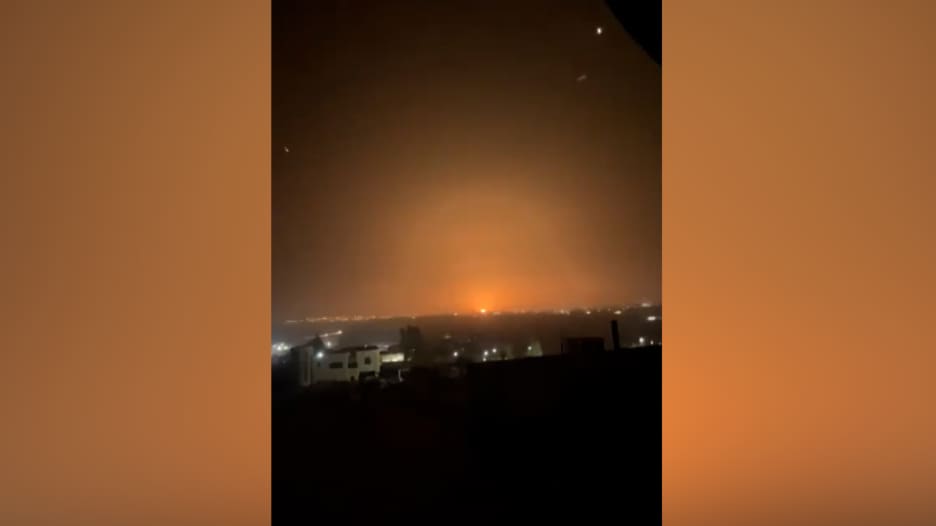
In a new development on the political and military front, reports have emerged indicating that Iran has not submitted any official request to halt airstrikes targeting its energy facilities for ten days, according to sources from mediators in peace talks. This comes at a time when U.S. President Donald Trump announced a suspension of attacks on these facilities, suggesting that the decision was made based on a request from the Iranian government, raising questions about the credibility of these statements.
In detail, the Wall Street Journal reported that mediators in the peace talks stated that Iran has yet to provide a final response to a 15-point plan aimed at ending the ongoing conflict. This plan, proposed as part of mediation efforts, requires a swift response from the Iranian side, but it appears that Tehran is still weighing its options.
Details of the Event
Earlier today, Trump stated that the United States would suspend attacks on Iranian facilities for ten days, considering that talks with Tehran were progressing well. However, the conflicting statements regarding Iran's request to halt strikes cast doubt on the intentions of both parties. Is Iran genuinely seeking peace, or is there another strategy behind these statements?
It is noteworthy that the military and economic pressures on Iran have complicated the situation, as the Iranian government seeks to maintain its internal stability amid increasing U.S. sanctions. In this context, it seems that Iran is attempting to use these talks as a means to alleviate the pressures it faces.
Background & Context
Historically, relations between Iran and the United States have been marked by severe tensions, especially since Washington's withdrawal from the nuclear agreement in 2018. Since then, the intensity of the conflict has escalated, leading to a series of reciprocal attacks between the two sides. In this context, the strikes on Iranian facilities are part of a broader strategy aimed at undermining Iran's ability to develop its nuclear program.
Moreover, the situation in the region is significantly affected by other conflicts, such as the disputes in Syria and Yemen, where Iran plays a pivotal role. These dynamics make it challenging to reach a lasting agreement, as each party seeks to achieve its own interests.
Impact & Consequences
The contradictory statements between Trump and the mediators indicate a state of uncertainty in U.S. policy towards Iran. If Iran indeed did not request a halt to the strikes, this could mean that Washington may need to reassess its strategy. On the other hand, if there is a genuine intention from Iran to negotiate, this could open the door to new opportunities for peace in the region.
The potential implications of this situation may include increased tensions in oil markets, as any escalation in the conflict could lead to rising prices. Additionally, continued pressures on Iran may push it to take more extreme measures, increasing the risk of a direct military confrontation.
Regional Significance
Considering the situation in the Arab region, any escalation in the Iranian-American conflict could directly affect neighboring countries, especially those suffering from internal conflicts. Countries such as Iraq, Syria, and Lebanon may find themselves at the heart of these tensions, complicating the security and economic situations.
In conclusion, the question remains: Will mediation efforts succeed in achieving peace, or is military escalation what awaits the region? The situation requires careful monitoring, as every step could lead to radical changes in the regional landscape.