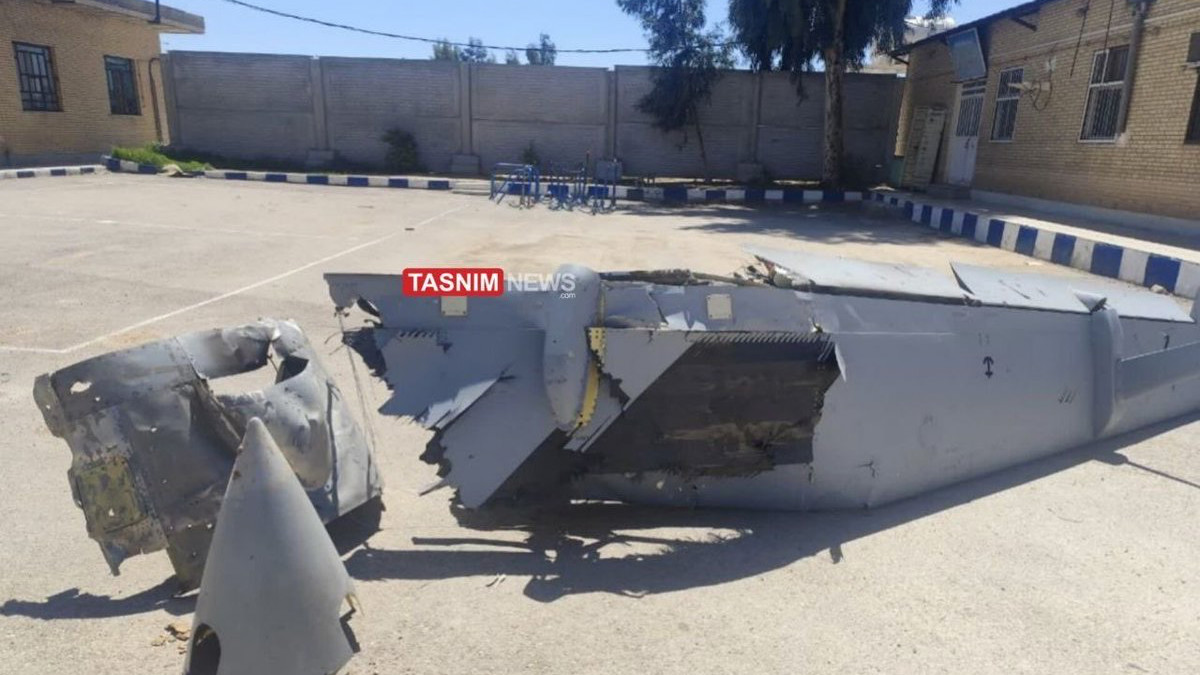
Iran has shot down a Chinese-made drone of the model Wing Loong II in the southern region of Shiraz, raising questions among analysts about whether Gulf states such as Saudi Arabia or the UAE have joined offensive operations against Iran. Images of the destroyed drone were published by the Tasnim news agency, which initially reported that the Iranian military had downed an American MQ-9 Reaper drone.
However, many analysts in the field of open-source intelligence identified the drone as a Wing Loong II, which is often compared to the MQ-9 Reaper. Although Middle East Eye could not independently confirm this analysis, Tehran Times later referenced it.
Details of the Incident
Last February, Middle East Eye revealed that Iran had received drones from China in the days leading up to the American-Israeli attack on February 28. However, a regional intelligence official reported that Beijing had sent suicide drones to the Islamic Republic, which differ from reusable drones like the Wing Loong.
Nicol Gragowski, author of the book Russia and Iran: Partners in Challenge from Syria to Ukraine, stated that Iran does not possess Wing Loong drones in its arsenal. While the United States and Israel are not known to use Wing Loong II drones, both Saudi Arabia and the UAE have them in their inventories.
Background & Context
The Wing Loong drone has been prominent in the Sudanese civil war, where the UAE deployed these drones to support the paramilitary Rapid Support Forces, according to the New York Times. If Saudi Arabia or the UAE operates the drone, it could indicate an escalation in their support for the war against Iran, especially as they face pressure from the Trump administration to back offensive operations.
Middle East Eye was the first to reveal that Saudi Arabia granted the United States expanded access to its airspace and the King Fahd military base in western Saudi Arabia. Although the kingdom opposed the American-Israeli war against Iran, it found itself in a position of trying to balance between engaging in the war and appeasing its main security partner, the United States.
Impact & Consequences
Statements from U.S. President Donald Trump this week, in which he said that Crown Prince Mohammed bin Salman should "kiss his feet," have angered the kingdom, although it has not lodged an official protest against these remarks. A Western diplomat in Riyadh believes these statements have deeply offended the kingdom.
The UAE appears more aggressive towards Iran compared to Saudi Arabia, as it has pressured the United Nations to authorize the use of force to regain control of the Strait of Hormuz from Iran.
Regional Significance
This incident reflects the rising tensions in the region, with increasing concerns about a military escalation that could impact regional stability. Relations between Gulf states and Iran remain strained, raising alarms about the implications for regional security.
In conclusion, the downing of the Chinese drone in Iran stands as a sign of escalating regional conflicts, indicating that Gulf states may be more involved in military operations against Iran, further complicating the security landscape in the region.