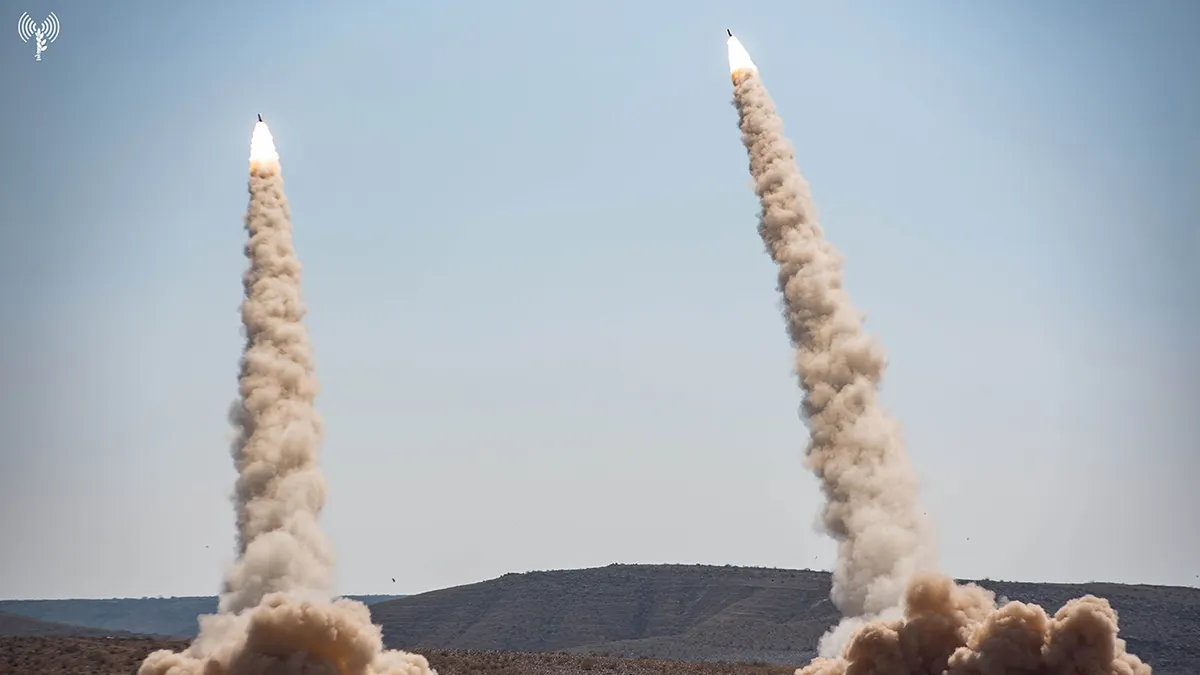
Iranian forces affiliated with the Headquarters of Khatam al-Anbiya announced yesterday that they had downed two fighter jets, two Black Hawk helicopters, three drones, and two cruise missiles. This announcement comes at a time when military tensions in the region are escalating, raising questions about the strategic implications of these operations.
These operations are considered part of Iran's efforts to enhance its defensive capabilities and respond to potential threats. The spokesperson for the Iranian forces indicated that these operations are within the framework of defending national sovereignty, amid what he described as increasing threats from certain countries.
Details of the Incident
In detailing the incident, Iranian forces confirmed that they successfully downed two unspecified fighter jets, in addition to the two Black Hawk helicopters, which are known for their strength and efficiency in military operations. Three drones and two cruise missiles were also destroyed, reflecting Iran's ability to accurately detect and identify targets.
The operation took place in an unspecified area, but it indicates Iran's capability to execute complex military operations in potentially suspicious airspace. These events have elicited varied reactions from neighboring countries and the international community, with some considering that these operations may heighten tensions in the region.
Background & Context
These developments occur within a complex historical context, as the region has witnessed a rise in military tensions over recent years. The relations between Iran and Western countries, along with tensions with some Arab nations, have contributed to creating an unstable environment.
Iran, which seeks to bolster its influence in the region, views these operations as part of its defensive strategy. In recent years, Iran has significantly developed its military capabilities, raising concerns among many countries, particularly the United States and its allies in the region.
Impact & Consequences
These operations could lead to an escalation of military tensions in the region, as the concerned countries may respond to these actions. Furthermore, these events could impact the course of nuclear negotiations, as the international community strives to reach an agreement that ensures the non-proliferation of nuclear weapons in the region.
The repercussions may also include an increase in military spending by neighboring countries, potentially leading to a new arms race in the region. Additionally, these events could affect the stability of oil markets, as the region is a vital center for oil production.
Regional Significance
Considering the potential impact on the Arab region, these events may heighten concerns among some Arab nations regarding the rise of Iranian influence. Many Arab countries are apprehensive about Iran's military activities, which could lead to new alliances in the region.
At the same time, these events may foster security cooperation among Arab nations to address common threats. There is also an urgent need for coordination among Arab countries to ensure security and stability in the region.
In conclusion, the recent military operations announced by Iran reflect the escalating tensions in the region, necessitating close monitoring by the international community. Under these circumstances, there remains hope that the involved parties can find peaceful solutions to avoid further escalation.