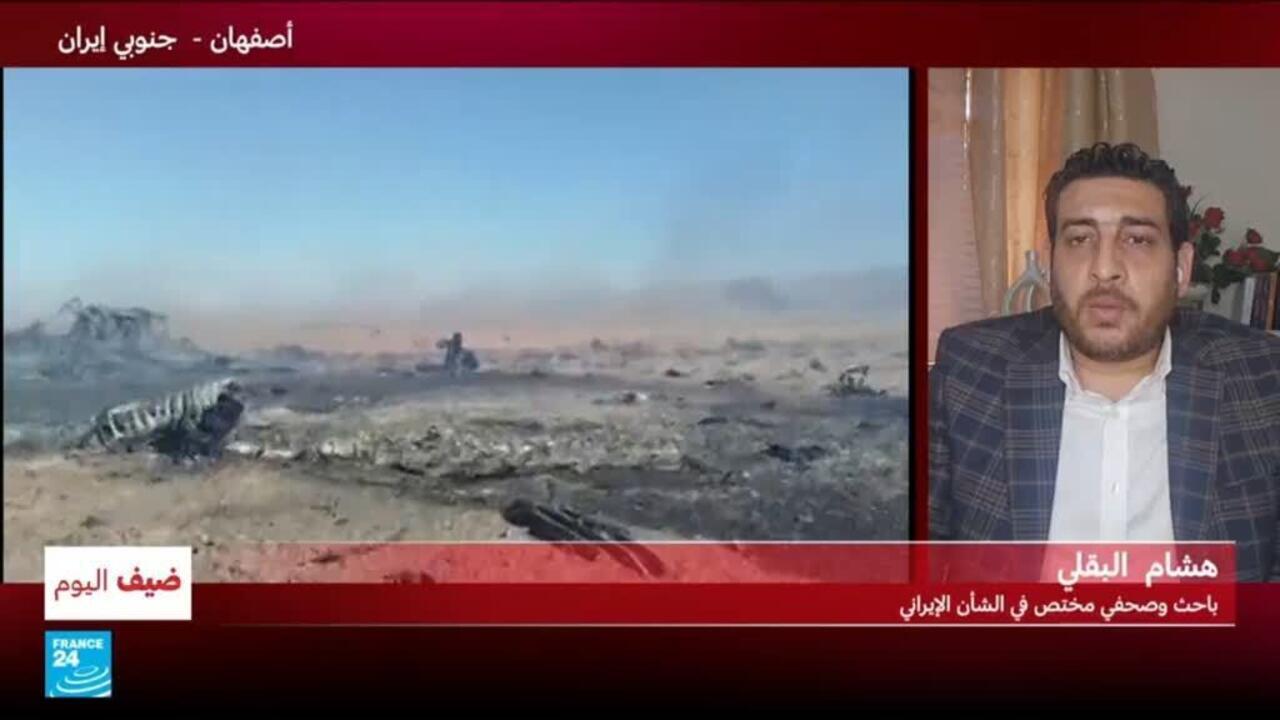
The Iranian armed forces announced on Sunday that they had downed four US military aircraft participating in a rescue operation for an American pilot whose plane crashed on Friday. This announcement coincided with President Donald Trump's declaration of the operation's success, commending the courage of American forces.
According to Trump's statements, the US forces executed "one of the boldest search and rescue operations in US history," successfully rescuing a highly respected American colonel, with Trump confirming that he is now "safe and sound."
Details of the Incident
In a televised statement broadcast by Iranian state television, Ibrahim Zolfaghari, spokesperson for the "Khatam al-Anbiya Headquarters," reported that Iranian forces destroyed two C-130 aircraft and two Black Hawk helicopters. This statement comes amid escalating military tensions between Iran and the United States, which have seen increased hostilities in recent times.
This incident is part of a series of events reflecting the growing tensions between Tehran and Washington, with both countries exchanging accusations regarding military activities and interventions in internal affairs.
Background & Context
Historically, Iranian-American relations have been fraught with severe tensions since the Iranian Revolution in 1979, which led to the severing of diplomatic ties. Since then, military confrontations between the two sides have increased, particularly in the Arabian Gulf region.
Iran seeks to bolster its military strength in the region, while the United States aims to diminish its influence. This dynamic creates a tense environment, raising fears of a potential large-scale military conflict.
Impact & Consequences
This incident serves as an indicator of the challenges any potential ground intervention by the United States in Iran may face, as Iranian forces demonstrated their capability to counter US aircraft. This could impact US strategies in the region and strengthen Iran's position in future negotiations.
Furthermore, these events could escalate tensions in the Gulf region, potentially affecting oil prices and regional security. Neighboring countries to Iran may feel apprehensive about the rising tensions, leading to increased military readiness in the area.
Regional Significance
The events between Iran and the United States directly affect Arab countries, especially those located in the Gulf region. The escalation of tensions could lead to increased sectarian and political divisions within the region.
Moreover, any military escalation could impact shipping traffic in the Strait of Hormuz, a vital artery for global oil trade. Oil-producing Arab nations may face economic challenges as a result of this escalation.
In conclusion, the situation in the region remains tense, with ongoing exchanges of accusations between Iran and the United States, increasing the likelihood of new conflicts.