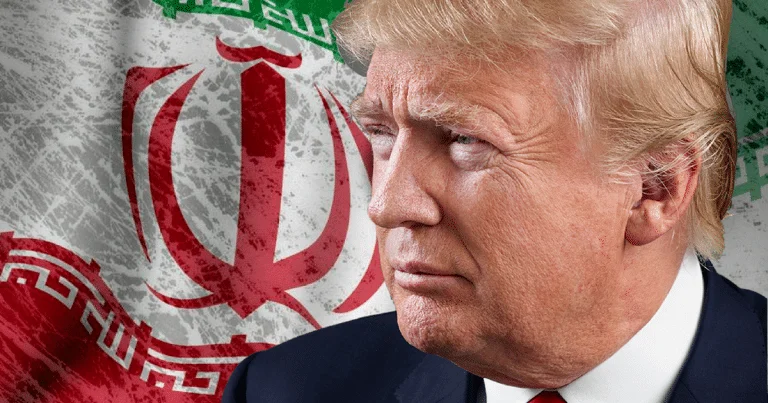
The Iranian regime relies on a complex network of economic incentives that support its security apparatus, making its collapse a threat to a wide range of beneficiaries. This system reflects how the economy is used as a tool for maintaining power.
Amid the economic and political crises facing Iran, the role of economic incentives emerges as a key factor in maintaining the stability of the regime. Instead of relying solely on ideology, the regime seeks to create a network of economic interests that link it to broad segments of the population.
Details of the Economic Incentives
These economic incentives include job creation, financial support, and the provision of social services, making many citizens dependent on the regime for their daily lives. As a result, these individuals feel that the collapse of the regime would lead to the loss of their livelihoods, thereby enhancing their loyalty to the regime.
Reports indicate that the Iranian regime has invested in multiple economic projects aimed at strengthening these ties. For instance, many state-owned enterprises have been established that provide jobs for hundreds of thousands of Iranians, making it difficult for them to consider changing or opposing the regime.
Background & Context
Historically, Iran has faced numerous economic challenges, ranging from international sanctions to internal crises. However, the Iranian regime has managed to use these challenges as an opportunity to tighten its grip on power by offering economic incentives.
In recent years, pressures on the Iranian economy have increased due to U.S. sanctions, prompting the regime to seek new ways to ensure citizen loyalty. This has led to the enhancement of economic programs targeting the most affected groups by the crises.
Impact & Consequences
The continuation of this approach may exacerbate economic and social crises in Iran, as the regime relies on ongoing economic support to maintain its stability. However, this model may be unsustainable in the long term, especially under increasing economic pressures.
Moreover, the growing gap between beneficiaries and non-beneficiaries of these incentives may lead to the eruption of popular protests, threatening the stability of the regime. Thus, the biggest challenge facing the Iranian regime is how to manage these complex dynamics.
Regional Significance
Iran is a key player in the region, and any changes in its political or economic system could directly affect neighboring countries. Political and economic tensions in Iran may have repercussions on regional security, especially amid ongoing conflicts in the Middle East.
Additionally, any internal disturbances could lead to an influx of refugees into neighboring countries, increasing the pressures on these nations. Therefore, the stability of the Iranian regime is crucial not only for Iran but for the entire region.
In conclusion, the question remains regarding the Iranian regime's ability to continue using economic incentives as a means of survival. While this strategy seems to have succeeded for now, economic and social challenges may put the regime to a difficult test in the future.