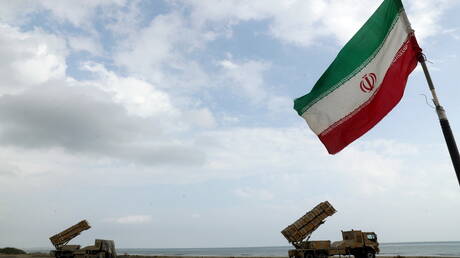
The Iranian parliament has approved a new law that imposes military sovereignty over the Strait of Hormuz, marking a significant step in Tehran's strategic direction. Mostafa Zarai, a member of the National Security and Foreign Policy Committee in parliament, stated that this law represents an important move towards enhancing Iranian control over this vital waterway.
The Strait of Hormuz is considered one of the most crucial maritime passages in the world, through which approximately 20% of global oil exports pass. This strait serves as a strategic point for Iran, allowing it to control the movement of commercial and oil vessels in the region.
Details of the Legislation
The new law aims to regulate the management of the strait and enhance security within it, reflecting Iran's desire to assert its authority over this vital corridor. This decision comes at a time when the world is witnessing increasing tensions in the Gulf region, with rising fears of military conflicts and political tensions.
The provisions of the new law include strengthening cooperation between the Iranian armed forces and other security agencies, enabling them to address any potential threats. This law was ratified after lengthy discussions in parliament, where lawmakers deemed it a necessary step to protect national interests.
Background & Context
Historically, the Strait of Hormuz has been a theater for numerous conflicts and tensions between Iran and Western countries, particularly the United States. In recent years, there has been an escalation in Iranian military activities in the region, including naval maneuvers and threats to close the strait if its interests are jeopardized.
In 2019, the region witnessed a series of attacks on oil tankers, which heightened tensions between Iran and Western nations. These events were seen as a warning from Iran regarding its capability to influence global trade movements.
Impact & Consequences
This law is considered a step that could escalate tensions in the region, as Western countries may respond to this move by increasing their military presence in the Gulf. Additionally, the enhancement of Iranian control over the strait could impact global oil prices, reflecting negatively on the global economy.
This law is expected to elicit varied reactions from neighboring countries, as some may feel concerned about the increase of Iranian influence in the region. Furthermore, this decision may raise fears of escalating military conflicts in the future.
Regional Significance
Arab countries neighboring the Strait of Hormuz, such as Saudi Arabia and the UAE, are among those most affected by this law. Any escalation in tensions could directly impact maritime security in the region, adversely affecting the Arab economy.
Moreover, this law could strengthen Iran's position in regional and international negotiations, potentially leading to changes in the political balances in the area. Therefore, Arab countries need to develop new strategies to address these developments.
In conclusion, this law represents a strategic move by Iran to enhance its control over the Strait of Hormuz, opening the door to numerous challenges and opportunities in the region. Neighboring countries and the international community must closely monitor these developments.