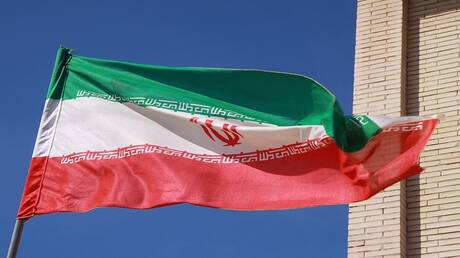
An Iranian diplomatic source reports that the Iranian Foreign Ministry is in ongoing talks with Arab nations to discuss regional security issues. These statements are part of Iran's efforts to enhance security cooperation with its Arab neighbors, amidst increasing tensions in the region.
These communications are seen as part of Iran's strategy to strengthen its relations with Arab countries, as Tehran seeks to build security partnerships to address common challenges. This comes at a time when concerns are growing over escalating tensions in various parts of the Middle East, including Iraq, Syria, and Yemen.
Details of the Engagement
The Iranian source confirmed that these discussions include topics such as combating terrorism, maritime security, and intelligence cooperation. It was also noted that Iran hopes these communications will help build trust between Arab nations and Tehran, potentially easing existing tensions.
These efforts coincide with regional and international talks aimed at achieving stability in the area, as Iran seeks to present itself as a reliable partner in regional security matters. Some Arab nations have shown willingness to cooperate with Iran in certain areas, despite historical and political differences.
Background & Context
Historically, Iranian-Arab relations have experienced significant fluctuations, influenced by various factors including regional conflicts, sectarian differences, and external interventions. Over the past years, Iran has attempted to bolster its influence in the region by supporting its allies in Iraq, Syria, and Lebanon, leading to tensions with some Arab states.
In recent years, some Arab countries have begun to reassess their relationships with Iran, seeking greater stability in the region. Countries like Oman and Kuwait have made attempts to mediate between Iran and other Arab nations, reflecting a desire to improve relations.
Impact & Consequences
Iran's communications with Arab nations could lead to positive outcomes, such as enhanced security cooperation and reduced tensions. However, there are concerns that these efforts may face obstacles, especially with ongoing conflicts in the region.
If Iran succeeds in building stronger relationships with Arab countries, it could change regional dynamics, contributing to greater stability. Nonetheless, concrete steps must be taken by all parties to build trust and achieve tangible results.
Regional Significance
These communications are a significant step in the context of Iranian-Arab relations, as they could lead to improved security conditions in the region. If Iran and Arab nations can cooperate effectively, it may help address common challenges such as terrorism and smuggling.
Ultimately, the question remains whether Iran and Arab nations can overcome their historical differences and focus on mutual interests. Achieving security and stability in the region requires joint efforts and effective cooperation from all involved parties.