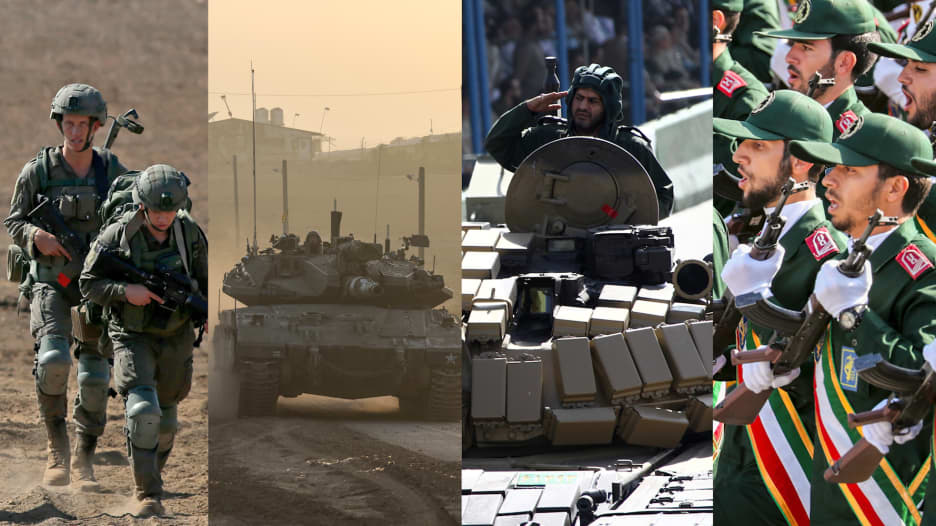
After more than three weeks of sustained military pressure from the United States and Israel, Iran has shown an increasing ability to utilize its remaining missile arsenal more efficiently from hard-to-reach bases in the east of the country. Despite the mounting pressures, Tehran remains capable of conducting military operations through its long-range missiles, indicating that its military strength has not been fully compromised.
Reports suggest that the military pressures faced by Iran have led to a reduction in its conventional military capabilities; however, the remaining missile arsenal still poses a significant threat. These missiles are being launched from secret and hard-to-access bases, complicating targeting efforts by US and Israeli warplanes.
Details of the Situation
Military pressures on Iran have been ongoing for several weeks, with the United States and Israel launching a series of airstrikes aimed at undermining Tehran's military capabilities. Despite these strikes, Iran has managed to maintain a significant portion of its missile arsenal, which is considered among the most advanced in the region.
Iran utilizes its missiles from strategic locations in the east of the country, making it difficult for opposing forces to pinpoint launch sites. This strategy reflects Tehran's ability to adapt to changing military conditions and demonstrates its determination to maintain its military strength despite external pressures.
Background & Context
Historically, Iran has relied on its missile program as a core component of its defense strategy. For years, Tehran has worked on developing long-range missiles, making it one of the prominent military powers in the region. This program has emerged in the context of ongoing tensions with the United States and its allies, particularly following Washington's withdrawal from the nuclear agreement in 2018.
Iranian missiles are part of a deterrence strategy employed by Tehran, aiming to secure itself against any potential military threats. However, this strategy comes with significant challenges, especially under the weight of international pressures and sanctions imposed on the country.
Impact & Consequences
Recent events indicate that military pressures have not fully weakened Iran; on the contrary, they may bolster its resolve to develop its military capabilities. The use of missiles from secret locations could escalate tensions in the region and make it difficult for external powers to take effective action against Iran.
Furthermore, Iran's continued use of its missiles could lead to an escalation of conflicts in the region, increasing the likelihood of new confrontations. This situation requires the international community to reassess its strategies toward Iran, especially in light of the growing threats.
Regional Significance
Developments in Iran directly impact neighboring Arab countries, as Iranian missiles are seen as a threat to regional security. Countries such as Saudi Arabia and the UAE may feel heightened concern over Iran's ability to conduct military operations through its missiles, potentially prompting them to bolster their defensive capabilities.
Moreover, the rising tensions between Iran and the United States could affect stability in the region, leading to negative repercussions on the economy and security of Arab nations. It is crucial for Arab countries to remain vigilant regarding these developments and to work on enhancing regional cooperation to address shared challenges.