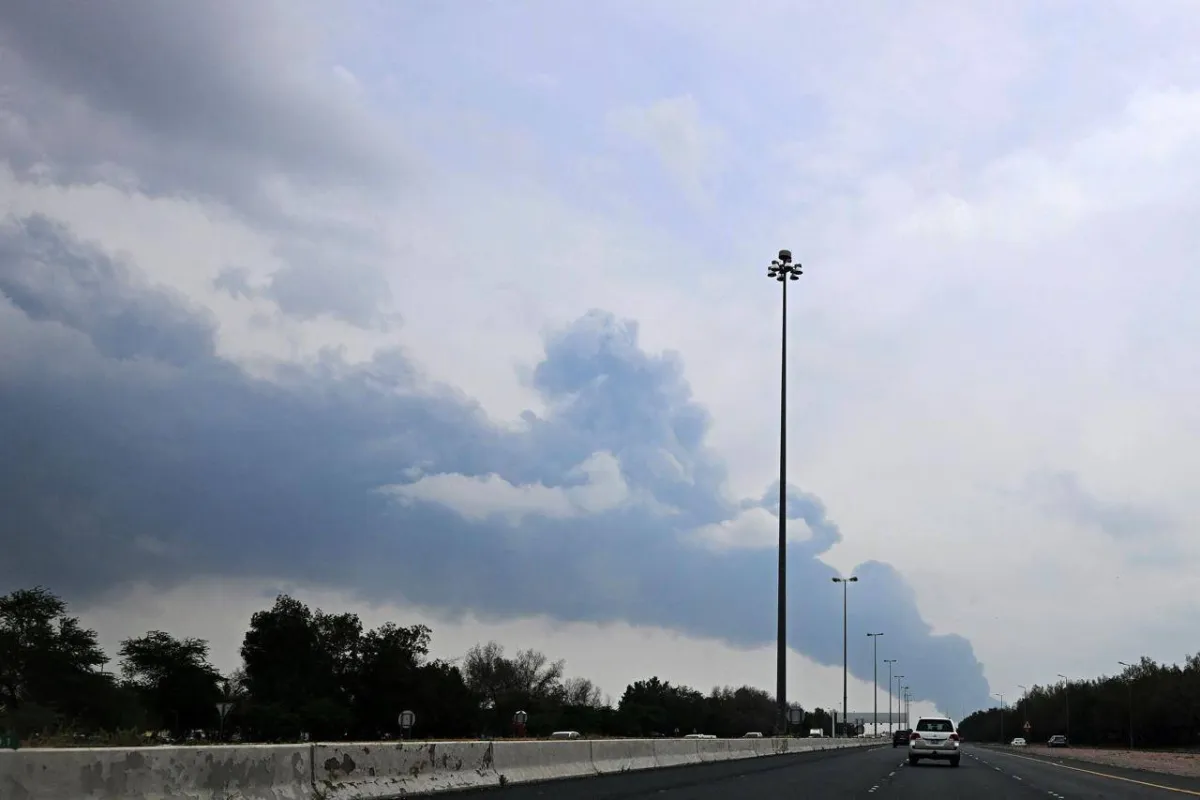
Iranian assaults on energy facilities in the Gulf Cooperation Council states are increasing, reflecting aggressive behavior that threatens regional and international security. Recent attacks targeting Bahrain and Kuwait indicate a dangerous escalation in the region.
Reports indicate that Iran has carried out approximately 20 attacks on energy facilities since the onset of the war in late February, targeting all Gulf Cooperation Council countries. Notably, 8 attacks occurred over the weekend, highlighting a growing pattern of escalation.
Details of the Events
On Sunday, the Bahrain News Agency reported that operational units at the Gulf Petrochemical Industries Company were attacked by Iranian drones, resulting in a fire that was controlled without any injuries. Additionally, Bapco Energies revealed a similar attack on one of its storage facilities, where the fire was quickly contained.
In Kuwait, the Kuwait Petroleum Corporation announced a fire at the oil sector complex in Shuwaikh due to a drone attack, and two power stations were targeted, resulting in significant material damage. Authorities in Kuwait confirmed that they dealt with 9 ballistic missiles and 31 drones during the recent attacks.
Background & Context
These assaults come at a sensitive time as the deadline set by the U.S. President for Iran to finalize an agreement to end the war approaches. Observers indicate that these attacks reflect Iran's desire to escalate tensions and continue targeting Gulf states, complicating the situation in the region.
Political academic Dr. A'id Al-Mannaa noted that these assaults reflect Iranian malice and hatred, aiming to strike at the sources of the Gulf economy. He recalled similar historical events, underscoring the ongoing tensions between Iran and Gulf states.
Impact & Consequences
The Iranian assaults on energy facilities in the Gulf underscore the necessity of enhancing security cooperation among the concerned states. Many countries, including Singapore, have condemned these attacks, reflecting a growing international concern regarding stability in the region.
International reports indicate that these assaults pose a threat to the global economy, as they lead to reduced oil and gas production capacity, impacting global energy supplies. The real victims of these assaults are the Gulf Cooperation Council states themselves, along with developing countries suffering from rising energy costs.
Regional Significance
The current situation in the Gulf requires a swift response from the concerned countries to enhance security and stability. Gulf states have confirmed their readiness to protect their vital facilities, with air defenses responding to repeated Iranian attacks.
Amid these tensions, Arab states continue to seek ways to enhance cooperation and avoid escalation, aiming to find diplomatic solutions to the ongoing crises. The continuation of these assaults could lead to greater escalation in the region, necessitating urgent actions from the international community.