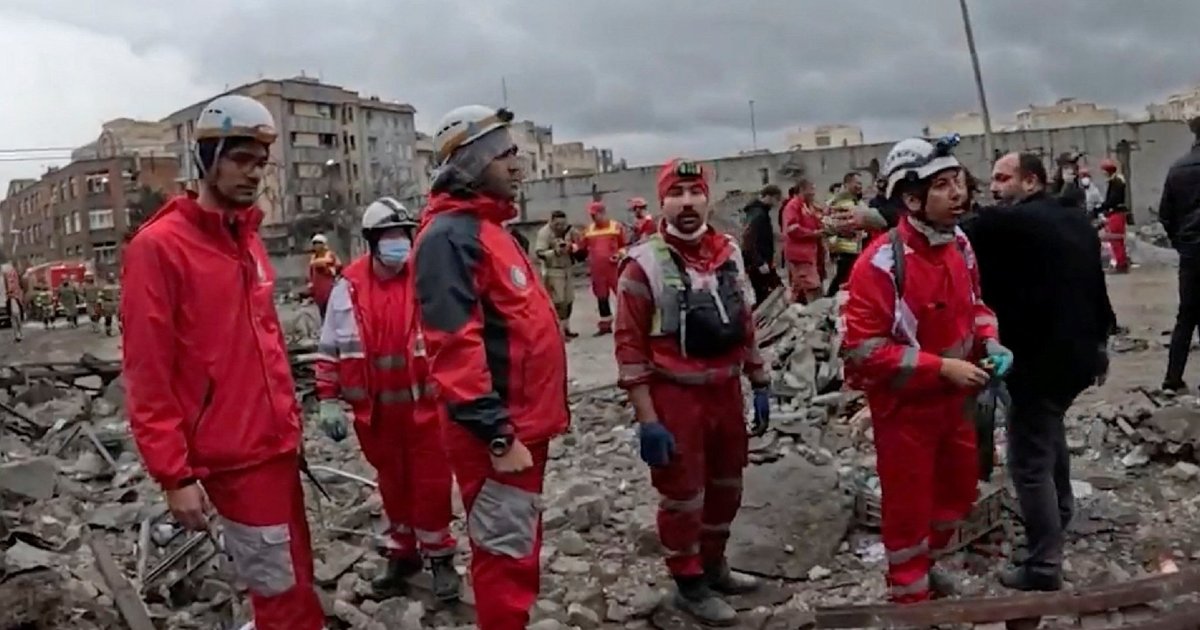
The region is witnessing a notable escalation in Iranian attacks on strategic targets in Israel, with reports indicating that Iran has shifted its focus towards vital installations despite a decrease in the number of launches. Al Jazeera confirmed that the recent strikes targeted critical infrastructure, including an oil refinery in Haifa, chemical facilities in Beersheba, and a large power station in Haider.
At the same time, Hezbollah has intensified its attacks, launching a barrage of rockets towards northern Israeli cities such as Nahariya, Akko, and Haifa. Reports have shown that several sites were affected by these attacks, resulting in temporary power outages in some areas.
Details of the Escalation
This escalation comes at a time when Israel is under a state of emergency, with daily life continuing under heightened security measures. This state of alert is expected to persist even as Israelis celebrate Passover. These developments indicate a shift in Iranian strategy, aiming to target objectives of greater strategic value, reflecting the rising tensions in the region.
The intensification of Hezbollah's attacks also reflects an escalation in the regional conflict, as the party seeks to bolster its position in the face of Israeli threats. Reports have indicated that the recent attacks have caused significant damage to the targeted facilities, complicating the security situation in the area.
Background & Context
Historically, relations between Iran and Israel have been extremely tense, with Iran considering Israel a major enemy in the region. Recent years have seen a rise in tensions, especially following the United States' withdrawal from the Iranian nuclear deal in 2018, which led to increased sanctions on Iran and a surge in Iranian military activities in the region.
Hezbollah, backed by Iran, is considered one of the prominent actors in the conflict with Israel, as the party seeks to enhance its influence in Lebanon and the region at large. The current escalation occurs within a broader context of regional conflicts, where Iranian and Israeli interests increasingly overlap.
Impact & Consequences
The recent escalation could have serious repercussions for regional security, potentially leading to a greater escalation in the conflict between Iran and Israel, increasing the risk of an all-out war in the region. Additionally, the continuation of attacks may affect stability in Lebanon, where Hezbollah could face greater pressure from the international community.
Moreover, the military escalation could impact the Israeli economy, potentially leading to a decline in tourism and investment in the country. The tense security situation may negatively affect the lives of Israeli citizens, who live under constant pressure from military threats.
Regional Significance
For the Arab world, the escalation between Iran and Israel represents a significant challenge, as it could affect the security and stability of countries in the region. The continuation of tensions may lead to increased divisions among Arab states, as positions towards Iran and Israel may vary.
Furthermore, the situation could impact peace efforts in the region, as military escalations might hinder any attempts to reach peaceful solutions to ongoing conflicts. Arab countries must be cautious in dealing with these developments and seek to enhance regional cooperation to address common challenges.