In light of an unprecedented escalation in the tone of American threats, Tehran interprets U.S. President Donald Trump's statements as part of a maximum pressure strategy accompanied by military movements and indirect negotiations, placing the region at a pivotal moment that could slip into a wide confrontation.
According to Al Jazeera correspondent in Tehran, Amer Lafi, the Iranian leadership—both politically and militarily—is taking Trump's threats seriously, especially those in which he set a deadline ending tomorrow evening, threatening "hell" if navigation in the Strait of Hormuz is not opened or an agreement is not reached.
Details of the Situation
This escalation coincides with revelations from Axios about indirect negotiations through regional intermediaries, which include exchanges of messages between Trump's advisors and Iranian Foreign Minister Abbas Araqchi, without achieving a breakthrough so far, despite Washington describing the talks as "deep."
This comes, according to the Al Jazeera correspondent, in the context of a cautious Iranian reading that sees these threats as an attempt to impose negotiating conditions under direct military pressure.
Araqchi is leading a wide diplomatic initiative, having contacted his counterparts in Egypt, Pakistan, Russia, France, and India, focusing on characterizing U.S. strikes on Iranian infrastructure as "war crimes," and calling on the international community for decisive intervention to stop the escalation.
Context and Background
These messages, according to Lafi, reflect an Iranian attempt to shift the confrontation from a bilateral dimension with Washington to a broader international arena, by framing American threats within a legal and humanitarian context, especially after Trump's hint at targeting energy facilities and bridges in Iran comprehensively.
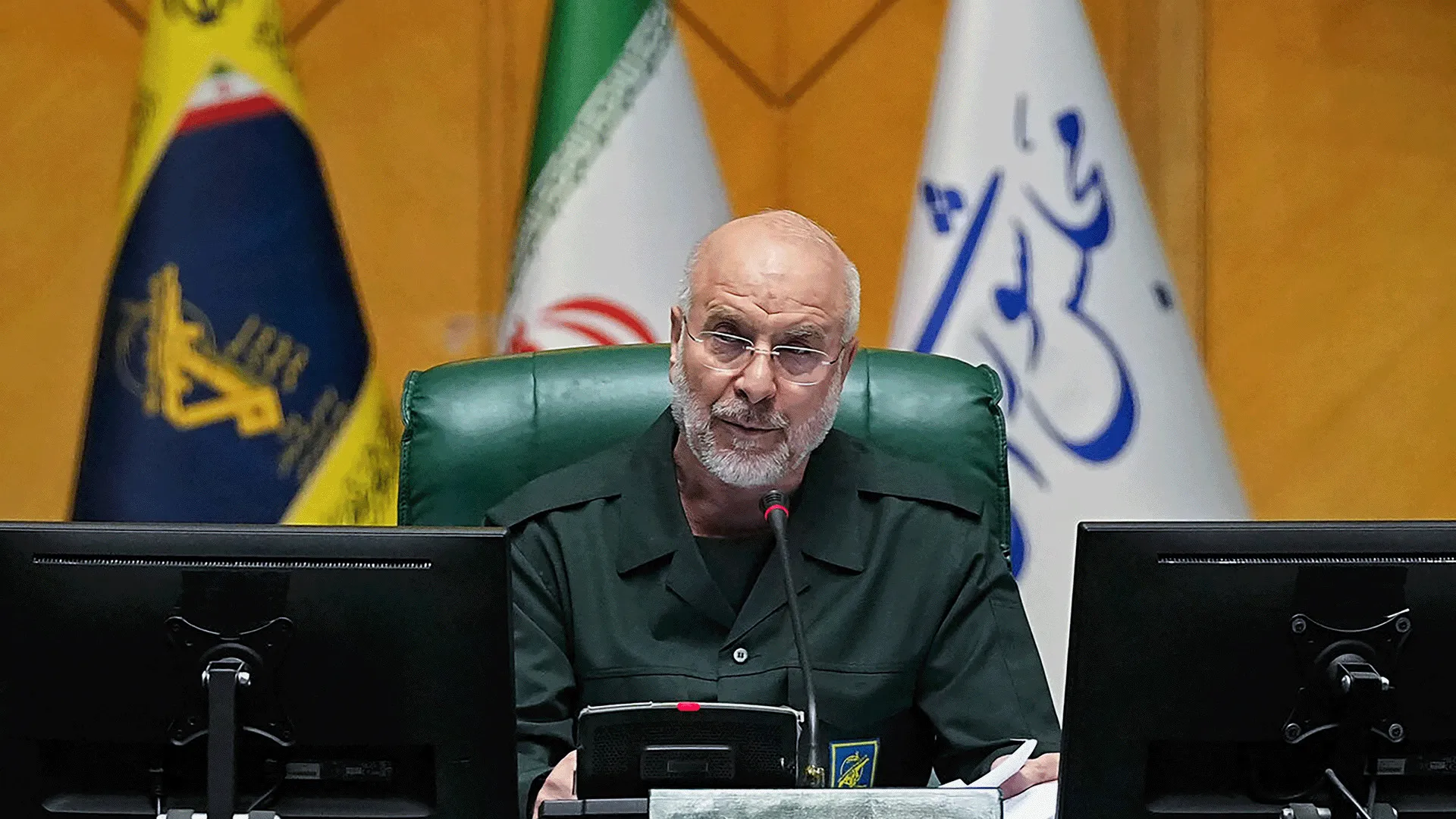
Politically, Parliament Speaker Mohammad Baqer Qalibaf has also escalated his rhetoric, considering that Trump seeks to drag the region into "hell" to fulfill Israel's desires, warning that targeting Iran will not yield gains for Washington but will lead to wide regional repercussions.
Impact and Consequences
In this context, Lafi explains that the Iranian political discourse is heading towards internal and external mobilization, by holding Washington responsible for any potential regional explosion.
Militarily, it appears that Iran is brandishing direct pressure cards, primarily the Strait of Hormuz, where the Revolutionary Guard announced tightening control over navigation, preventing ships from passing without permits in exchange for allowing others, indicating Tehran's ability to control this vital corridor.
These measures coincide with sharper messages, as the Revolutionary Guard confirmed that the situation in the strait "will not be as it was," hinting at the possibility of completely changing it if the confrontation expands, coinciding with Trump's threats that emphasized the need to keep it open.
Impact on the Arab Region
On the ground, Tehran announced the implementation of successive offensive waves, claiming they targeted vital facilities in Israel, including the Haifa refinery, in response to American and Israeli strikes that targeted infrastructure within Iran, including a strategic bridge near Tehran.
According to the Al Jazeera correspondent, these operations come as part of a "calculated response" that Tehran is attempting to establish a deterrent equation without slipping into a full-scale war.
The Iranian army also announced the use of advanced drones to strike targets deep within Israel, including petrochemical facilities and fuel tanks, in an attempt to demonstrate the capability for a proportional response and to expand the scope of engagement beyond Iranian territory.
In the same context, the Iranian "Khatam al-Anbiya Headquarters"—responsible for military operations—has threatened to open "the gates of hell" on American interests in the region if attacks continue, asserting that the Iranian response will be "devastating" and will include Washington's bases and interests along with its allies.
These threats reinforce statements from Iranian officials who spoke about the possibility of indirectly targeting American interests by inciting unrest or expanding the scope of operations, without resorting to striking American territory directly.
In the reading of the Al Jazeera correspondent, these messages reflect a strategy of gradual escalation aimed at raising the cost of any potential American attack without crossing lines that might necessitate a comprehensive response.
The most serious Iranian messages were hinted at by the potential to expand the crisis to other maritime corridors, as it was reported that an advisor to the Iranian leader stated that Tehran might link the Straits of Hormuz and Bab el-Mandeb, which would mean a dual threat to global trade and energy flows.
This approach reflects an Iranian attempt to use geopolitical pressure cards that transcend its borders by activating its regional allies, which could transform the crisis from a limited confrontation to a multi-front regional conflict.