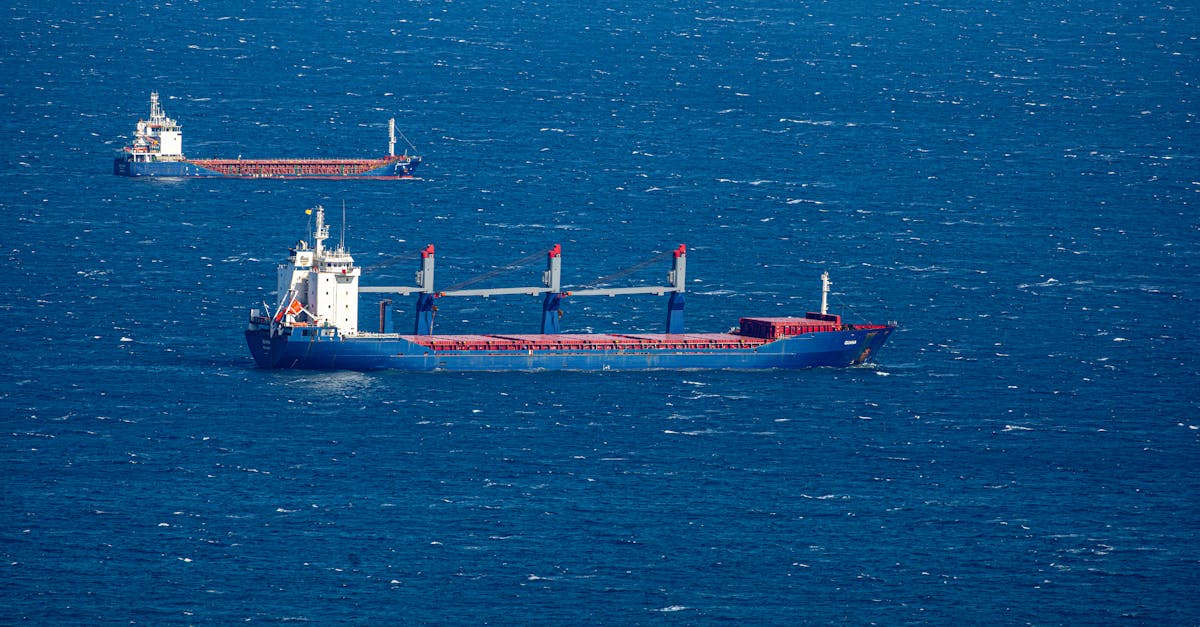
The Strait of Hormuz has witnessed significant Iranian escalation, a crucial waterway through which nearly one-fifth of global oil trade passes. This situation raises concerns amid ongoing tensions with the United States and its allies.
Through this escalation, Iran aims to strengthen its position in international negotiations, especially given the persistent pressures from the U.S. and its partners. The strait symbolizes Iran's control over maritime trade routes, alarming major nations that rely on these passages to secure energy supplies.
Details of the Incident
Recently, Iran has taken escalatory measures in the Strait of Hormuz, with reports indicating that Iranian forces have detained oil tankers belonging to other countries. These actions come at a sensitive time, as international pressures on Iran increase due to its nuclear program and regional behavior.
Despite the threats, it appears that Iran has retreated from some of these actions following strong reactions from the international community. This retreat could be interpreted as an attempt to avoid further escalation that might lead to direct military confrontation.
Background & Context
The Strait of Hormuz is a narrow waterway connecting the Arabian Gulf to the Gulf of Oman and is considered one of the most vital arteries for global oil trade. Historically, the strait has experienced numerous crises and tensions, with Iran using it as a pressure tool in its conflicts with the West.
In recent years, tensions in the region have notably increased, especially after the United States withdrew from the Iranian nuclear agreement. This withdrawal has escalated tensions between Iran and Western countries, making the Strait of Hormuz a focal point in these disputes.
Impact & Consequences
The Iranian escalation in the Strait of Hormuz has significant implications for regional and international security. Any closure or disruption of traffic in this strait could lead to a substantial rise in oil prices, impacting the global economy.
Moreover, these events may bolster the position of countries seeking to reduce their reliance on Iranian oil, leading to changes in global market dynamics. At the same time, these tensions could enhance cooperation between Arab nations and the West to address shared security challenges.
Regional Significance
Arab countries bordering the Arabian Gulf are among the most affected by the tensions in the Strait of Hormuz. Any escalation could impact oil supplies and increase security risks in the region, necessitating enhanced security cooperation among these nations.
Under these circumstances, Arab countries must be prepared to deal with any developments that may arise in the Strait of Hormuz and work on strengthening their security strategies to protect their economic interests.