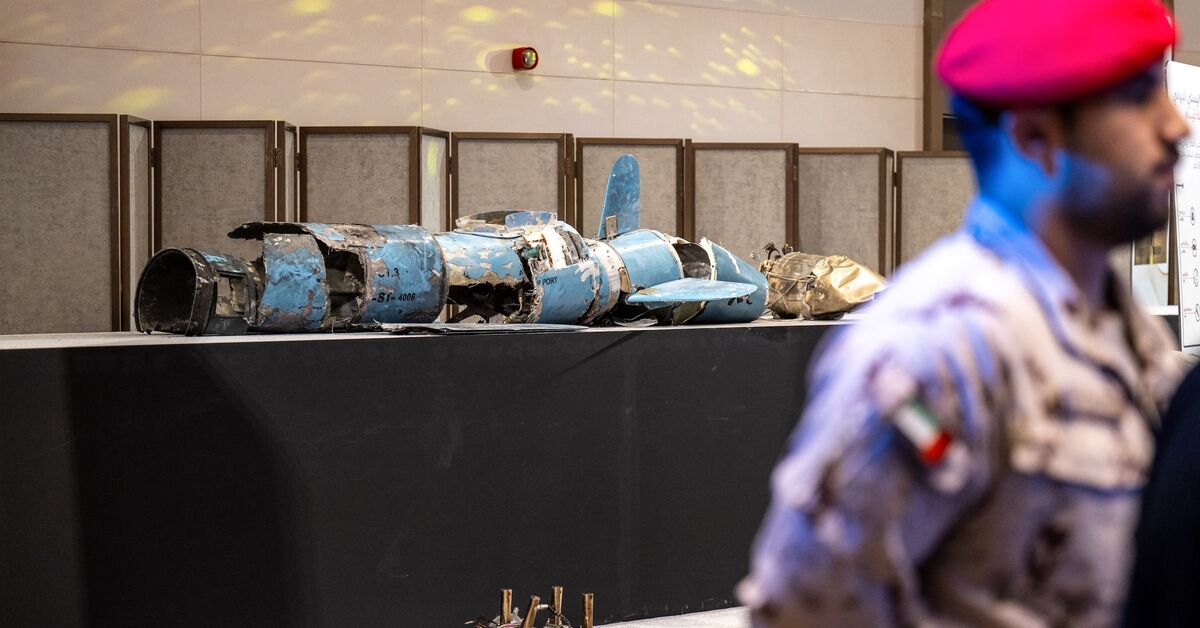
Iranian authorities are increasingly threatening the United Arab Emirates, indicating a potential shift in targeting this Gulf state due to its support for American and Israeli operations. This escalation occurs as regional conflicts intensify, with attention turning to how these tensions will affect regional stability.
Recently, Iran has demonstrated its intentions through official statements and remarks from prominent officials, pointing fingers at the UAE as a key supporter of American and Israeli presence in the region. This escalation in Iranian rhetoric comes at a time when relations between Tehran and Gulf states are experiencing heightened tensions, raising concerns about the possibility of military escalation.
Details of the Incident
Reports indicate that Iranian authorities have begun issuing direct threats to the UAE, considering its support for American and Israeli military operations as a threat to Iranian national security. This escalation follows a series of events in the region, including attacks on commercial vessels in the Gulf, which Iran has been accused of orchestrating.
Statements from some Iranian military leaders suggest that the UAE could become a potential target if it continues to support American operations. This escalation in rhetoric reflects Iranian concerns over the growing American influence in the Gulf, which the Iranian regime views as a direct threat to its interests.
Background & Context
Historically, relations between Iran and Gulf states have been tense, especially following the Iranian Revolution in 1979. These relations have witnessed numerous crises, including the Iran-Iraq War, which significantly impacted regional security. Additionally, the conflicts in Syria and Yemen have complicated relations further, as Iran supports armed groups in both countries, exacerbating tensions with Gulf states.
In recent years, the UAE has attempted to improve its relations with Iran, but the recent escalation in Iranian rhetoric may hinder these efforts. Moreover, the UAE's rapprochement with the United States and Israel, particularly following normalization agreements, has intensified tensions with Tehran.
Impact & Consequences
Iranian threats may escalate tensions in the region, potentially affecting overall regional security. If Iran continues to target the UAE, we may witness military responses from Gulf states, which could lead to further escalation of the conflict.
Additionally, these tensions could impact the UAE's economy, as the country heavily relies on trade and tourism. Any military escalation could lead to a decline in foreign investments, negatively affecting economic growth.
Regional Significance
These threats are part of a broader conflict between Iran and its allies on one side, and Gulf states and the United States on the other. This conflict could affect the stability of the entire region, potentially exacerbating humanitarian crises in Yemen and Syria, and increasing tensions in Iraq and Lebanon.
Ultimately, the question remains as to how Gulf states will respond to these threats and whether they will take effective steps to protect their interests and security. The Iranian escalation towards the UAE may mark the beginning of a new phase of tensions in the region, necessitating clear positions from Arab states to safeguard their security and stability.