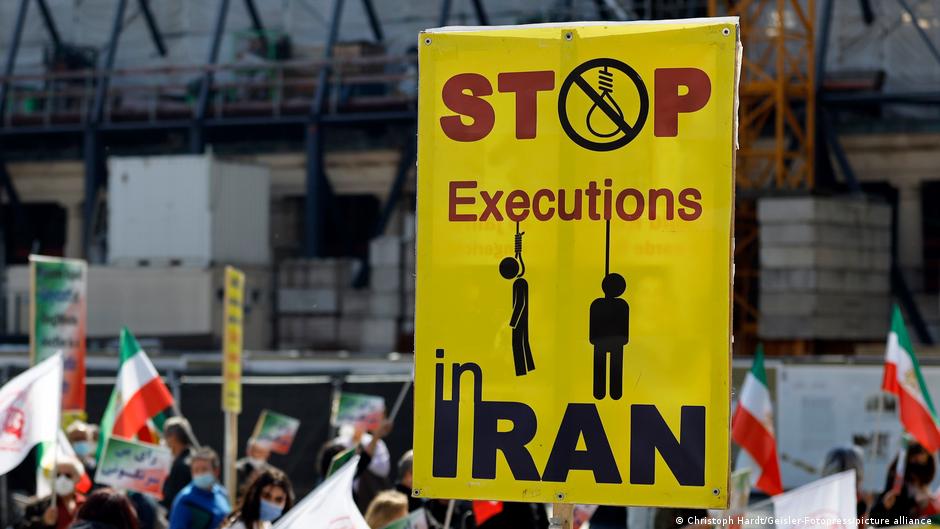
In a controversial move, Iranian authorities executed 14 individuals over the past few weeks, amid rising military pressures from the United States and Israel. These executions occur during a sensitive time, as Iran experiences heightened internal tensions due to public protests that erupted last January.
Among those executed was Kyrus Kiani, an Iranian-Swedish citizen, who was sentenced to death on charges of espionage for Israel. He was arrested during the 12-day conflict between Iran and Israel last year, accused of taking photographs of sensitive areas.
Details of the Executions
On March 19, three other young men were executed for their participation in the public protests that swept the country in January, marking the first executions linked to those demonstrations. Additional death sentences were carried out against individuals alleged to belong to the banned Iranian opposition group, the People's Mujahedin Organization of Iran, which faces severe repression from the regime.
Even on “Sizdeh Bedar,” which is considered the end of the Iranian New Year celebrations, executions continued, with 18-year-old Amir Hossein being executed after being arrested during the protests. These executions come at a time when human rights organizations warn of dozens of political prisoners facing the death penalty.
Background & Context
Historically, Iran has been one of the countries that most frequently applies the death penalty, ranking among the highest in executions after China. Since 1979, the United Nations General Assembly has issued 72 resolutions and 17 resolutions from the Human Rights Council urging Iran to address human rights violations. Nevertheless, the Iranian regime remains adamant about using capital punishment as a means of intimidation.
Concerns are growing that the Iranian regime is exploiting the military conflict with the United States and Israel to justify the suppression of internal protests. Some experts have noted that these executions reflect a historical pattern dating back to the 1980s, where war is used as a pretext to tighten security measures.
Impact & Consequences
Reports indicate that there are “at least” twenty political prisoners facing the death penalty, including those arrested during the recent protests. This situation serves as a warning that the Iranian regime may exploit current conditions to justify further repression.
This escalation in the execution of death sentences demonstrates that the regime seeks to reinforce its authority under difficult circumstances, using violence as a means to impose control over society. Some human rights organizations have warned that these executions could exacerbate the humanitarian situation in the country.
Regional Significance
The implications of these executions extend beyond Iran’s borders, potentially affecting regional stability. The ongoing tensions with the United States and Israel, combined with the regime's internal crackdown, may lead to increased unrest and instability in neighboring countries.
As the Iranian government continues to implement these harsh measures, the international community watches closely, with many calling for accountability and an end to human rights abuses. The situation remains critical as protests continue and the regime's response becomes increasingly severe.