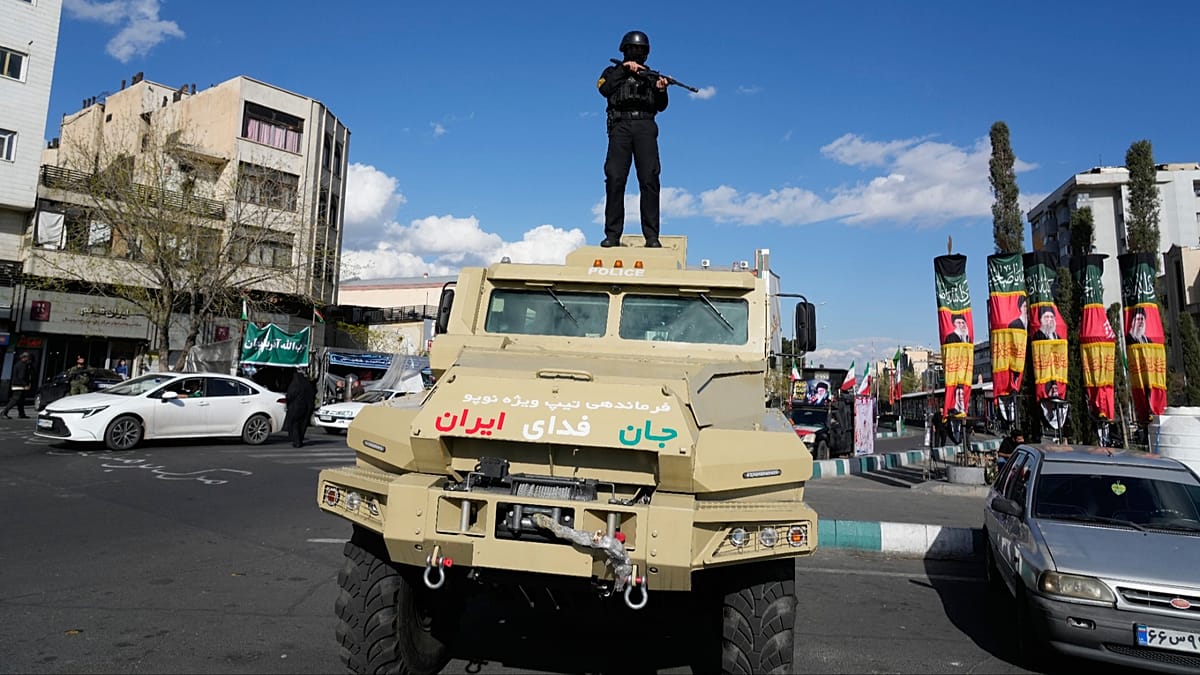
The Iranian authorities have executed 29-year-old aviation engineer Erfan Shakourzadeh on charges related to espionage for the CIA and Israeli Mossad. This execution comes just days after human rights organizations issued warnings calling for a stop to these proceedings.
Shakourzadeh, born in 1996, was considered one of the prominent talents in the field of aviation and space, having obtained a master's degree in aerospace engineering and satellite technology from Iran University of Science and Technology. He was arrested in February 2025 by the Iranian Revolutionary Guard Intelligence.
Details of the Case
The Mehr News Agency, linked to the Iranian judiciary, described him as a "joint spy for the CIA and Mossad," indicating that he was recruited due to his expertise. Authorities claimed he attempted to contact the Mossad and CIA "in three phases" and that he transmitted confidential information to foreign intelligence agencies. However, the authorities did not disclose details of the evidence or legal actions taken against him prior to the execution.
In a letter smuggled from prison, Shakourzadeh denied the charges against him, asserting that he confessed under duress. He wrote in his letter: "I am Erfan Shakourzadeh, 29 years old, one of the few who refused to emigrate," indicating that he was arrested on fabricated charges shortly before a 12-day conflict, and that he was subjected to torture and solitary confinement for eight and a half months.
Background & Context
Iran is widely criticized for human rights violations, including the swift execution of death sentences without providing sufficient evidence. The frequency of executions in the country has recently increased, with around 30 death sentences carried out in recent weeks related to political and security charges, alongside protests that erupted in January.
Historically, Iran has been accused of pursuing dissidents and imposing harsh penalties against them, often using coerced confessions as a tool for convicting the accused. This has raised concerns within the international community, which calls for respect for human rights and an end to the death penalty.
Impact & Consequences
The execution of Shakourzadeh is seen as a sign of escalating repression in Iran and raises questions about the fate of many detainees accused of espionage or political opposition. This event illustrates how domestic policies can affect Iran's international reputation, as it is increasingly viewed as a country where human rights are violated.
Pressure is mounting on the Iranian government from human rights organizations, which could lead to diplomatic and economic repercussions. Additionally, these events may bolster the position of dissenters within the country, heightening tensions further.
Regional Significance
The implications of Shakourzadeh's execution extend beyond Iran's borders, potentially affecting its relations with Western nations and influencing regional stability. As calls for accountability grow, the Iranian government may face increased scrutiny and demands for reform.
In conclusion, the execution of Erfan Shakourzadeh not only highlights the ongoing human rights abuses in Iran but also serves as a reminder of the broader implications these actions have on international relations and regional dynamics.