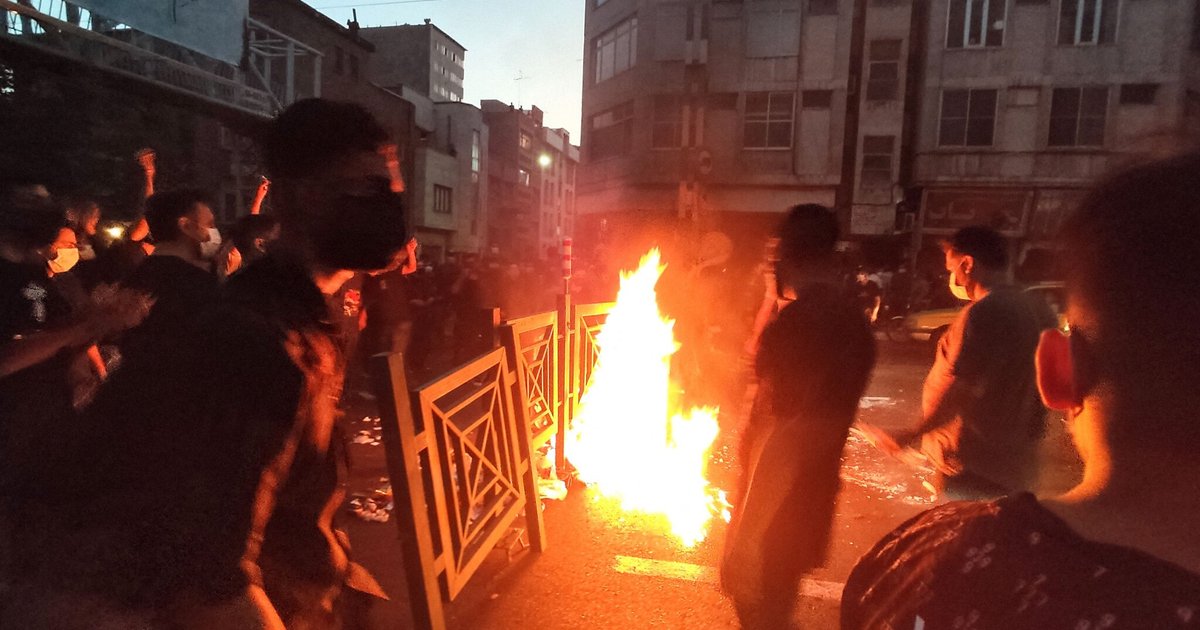
The Iranian authorities executed Ali Fahim, who was convicted of attempting to breach a military facility and access an arms depot during the unrest that swept the country in January. This action came after the Supreme Court upheld the sentence, reflecting the government's continued harsh response to the protests that have gripped the nation.
This move occurs at a sensitive time for Iran, as public protests against the government have intensified due to deteriorating economic and political conditions. Iran has already executed three other individuals linked to the same incident, underscoring the government's policy of confronting any potential threats to its internal security.
Details of the Incident
The incident for which Fahim was convicted took place during a wave of protests that erupted in Iran at the beginning of the year, marked by widespread demonstrations against the government. Fahim was accused of attempting to storm a military facility, which the authorities deemed a direct threat to state security. The execution aligns with the government's strategy to deter any similar attempts in the future.
The protests that erupted in January were fueled by a combination of factors, including worsening economic conditions, rising prices, and human rights issues. In recent years, Iran has witnessed numerous public protests reflecting citizens' dissatisfaction with government policies.
Background & Context
Historically, Iran has experienced periods of political and social unrest, with the roots of these protests tracing back decades of political and economic repression. The Iranian government often adopts a strict policy towards any opposition, leading to heightened tensions between the state and its citizens.
In recent years, the intensity of protests has increased, particularly following the death of young Mahsa Amini, which sparked widespread public outrage. These events have prompted the government to take harsh measures against protesters, including the implementation of death sentences.
Impact & Consequences
The execution of Fahim could have significant repercussions for the internal situation in Iran. It is likely to lead to further protests and resistance from citizens who feel their rights are being violated. This step may also affect Iran's image in the international community, as the government faces growing criticism for its human rights record.
International responses to these events may include calls for new sanctions against Iran, potentially increasing its international isolation. Additionally, these developments could impact Iran's relations with Western countries, which are closely monitoring the situation in the country.
Regional Significance
The events in Iran have direct implications for the Arab region, as Iran is a key player in many regional conflicts. Internal tensions may lead to shifts in Iran's policies towards neighboring countries, potentially affecting regional stability.
Moreover, the protests in Iran could inspire similar movements in other countries in the region, where citizens seek to express their demands and rights. These dynamics could lead to changes in the political landscape of the Middle East.
In conclusion, developments in Iran remain a focal point for the world as the government continues to face internal and external challenges. The execution of Fahim reflects the government's harsh policy and indicates the potential for escalating protests in the future.