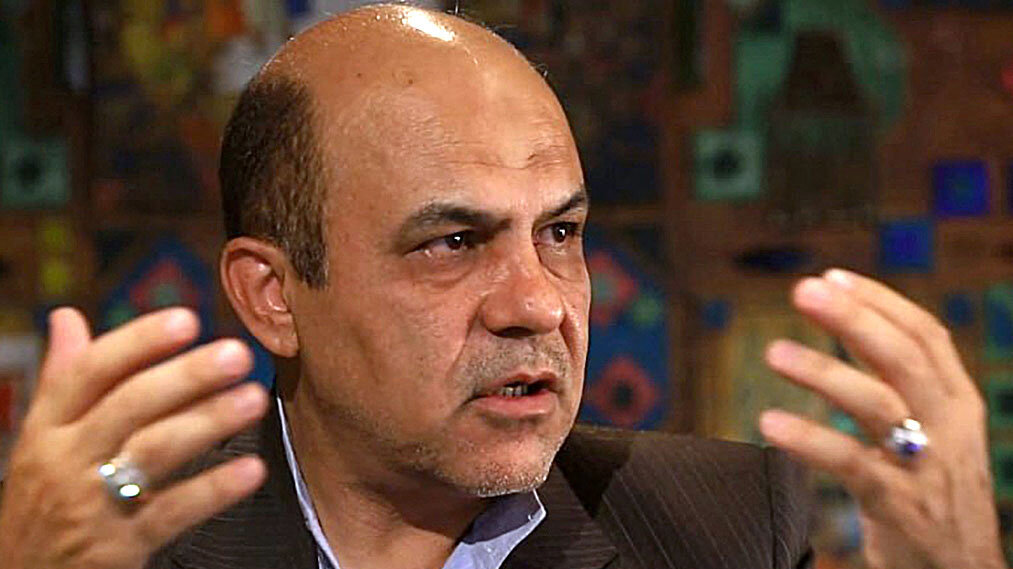
Iran has executed a man accused of spying for Israel, highlighting the growing tensions between the Islamic Republic and the Jewish state. The execution took place amid rising concerns over Israeli intelligence activities in the region, particularly given the political crises currently facing Iran.
The accused, whose name has not been disclosed, was arrested earlier this year and charged with collaborating with foreign intelligence agencies. This ruling has sparked mixed reactions both within Iran and internationally, with some viewing it as a necessary step to protect national security, while others see it as a violation of human rights.
Details of the Execution
This action is part of Iran's stringent policy towards espionage, as Israeli intelligence activities are considered a direct threat to its security. The execution was announced through official media, which confirmed that the accused was working for the Israeli Mossad.
It is noteworthy that Iran has witnessed several executions related to espionage in recent years, reflecting the authorities' concerns about external threats. The timing of the execution is particularly sensitive, as the region experiences increasing tensions between Iran and Israel, alongside the political and economic crises afflicting Tehran.
Background & Context
Historically, Iran and Israel have been in a state of escalating hostility, with Tehran accusing Tel Aviv of interfering in its internal affairs and supporting opposition groups. Recent years have seen a surge in Israeli intelligence activities within Iran, prompting authorities to take strict measures against any form of cooperation with the perceived enemy.
Moreover, political events in the region, such as the conflict in Syria and tensions in the Gulf, have contributed to heightened animosity between the two countries. This ruling is seen as part of Iran's strategy to protect itself from external threats, especially under the current circumstances.
Impact & Consequences
This ruling could have significant repercussions on Iran-Israel relations, potentially escalating tensions in the region. Additionally, the execution may encourage Iranian authorities to adopt stricter measures against any activities deemed as espionage, which could further increase the suppression of freedoms within the country.
Furthermore, this ruling may impact Iran's international relations, as it could face pressure from human rights organizations condemning executions. This decision may serve as a message to other nations that Iran will not tolerate any form of espionage or collaboration with its adversaries.
Regional Significance
This event underscores the escalating tensions between Iran and Israel and indicates Iran's strict policy towards espionage, which affects regional security. The execution reflects a broader strategy by Iranian authorities to deter foreign interference and maintain control over internal dissent.
In conclusion, the execution of the accused serves as a stark reminder of the ongoing conflict between Iran and Israel, and the lengths to which Tehran will go to safeguard its national security amidst growing external pressures.