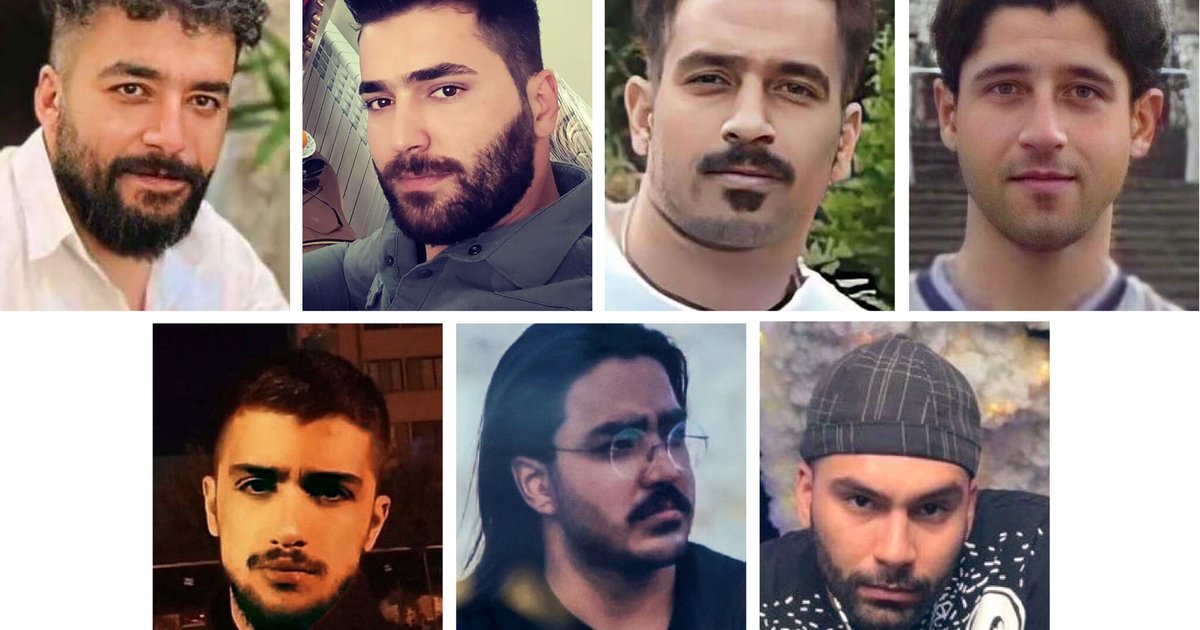
Iran has executed four alleged members of the Mujahedin-e Khalq organization, reflecting a wartime strategy to bolster internal control. This move comes amid rising internal and external tensions faced by the Iranian regime, which seeks to utilize the narrative of an "enemy" to manage domestic dissent and uncertainty.
The Mujahedin-e Khalq is one of the most prominent opposition groups against the Iranian regime and was previously classified as a terrorist organization. However, it still maintains a strong support base among certain segments of Iranian society, making it a primary target for the regime in its attempts to secure its power.
Details of the Executions
Reports indicate that the executions took place at a sensitive time, as the Iranian regime seeks to reinforce its authority amidst escalating protests and demonstrations against the government. This step is believed to aim at sending a strong message to opponents, indicating that any form of dissent will not be tolerated.
These executions occur at a time when Iran is grappling with increasing economic and social crises, heightening anxiety and instability within the country. The government has shown a willingness to use force to suppress any opposition, as evidenced by these executions.
Background & Context
The Mujahedin-e Khalq was founded in 1965, initially aiming to overthrow the monarchy in Iran. After the Islamic Revolution in 1979, the organization became one of the most prominent adversaries of the new regime, leading to a long-standing conflict between it and the Iranian government. Over the years, the organization has faced widespread criticism for its methods, yet it continues to maintain a strong presence in certain circles.
In recent years, tensions between Iran and the West have intensified, particularly with the escalation of nuclear crises. As international pressures mount, the Iranian regime seeks to strengthen its internal authority by suppressing any opposition, whether political or social.
Impact & Consequences
These executions are part of a broader strategy by the Iranian regime to consolidate its power amid increasing crises. This step is expected to escalate tensions between the government and the opposition, potentially leading to further protests and demonstrations across the country.
Moreover, these events may affect Iran's relations with Western countries, which are closely monitoring human rights violations in Iran. These executions could lead to the imposition of additional sanctions on the Iranian regime, further increasing its international isolation.
Regional Significance
The Arab region is experiencing direct effects from events in Iran, as Iran is a key player in many regional conflicts. These executions may heighten tensions between Iran and its neighbors, especially given the presence of opposition forces in countries like Iraq and Syria.
Additionally, the increase in internal repression in Iran may encourage some opposition groups in neighboring countries to take similar actions, exacerbating instability in the region.
The execution of opponents in Iran reflects the regime's strategy to strengthen its authority amid growing crises. As internal and external tensions rise, the question remains about how these events will impact the future of Iran and the region as a whole.